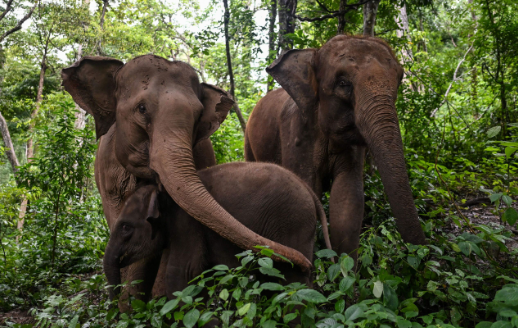
Asian elephants, majestic creatures and vital components of their ecosystems, face numerous habitat challenges, especially in forest regions. These challenges threaten not only their survival but also the balance of the ecosystems they inhabit. Understanding these issues can shed light on the importance of conservation efforts and sustainable practices.
1. Deforestation and Habitat Loss
Deforestation poses a significant threat to Asian elephants, as their natural habitats are continuously shrinking. Logging, agriculture, and urbanization contribute to widespread forest loss, disrupting elephant migration routes and reducing the availability of food and water sources. In regions like India and Sri Lanka, elephants are often forced into smaller territories, leading to increased human-wildlife conflict as they venture into agricultural land in search of food.
The consequences of habitat loss are dire not only for elephants but for the broader ecosystem. Elephants play a crucial role as seed dispersers, which helps maintain the health of the forest. Their absence can significantly affect plant biodiversity and the overall stability of the forest ecosystem, leading to long-term environmental degradation.
-
- Support organizations focused on reforestation and habitat restoration.
-
- Advocate for sustainable agricultural practices that minimize forest clearing.
-
- Educate communities about the importance of preserving elephant habitats.
-
- Encourage policies aimed at reducing urban sprawl into forested areas.
2. Human-Wildlife Conflict
The encroachment of human activities into elephant habitats has led to increased human-elephant conflict, which poses risks to both elephants and local communities. As elephants seek food and resources, they often wander into crops, resulting in damage to agricultural lands. This conflict can lead to local farmers harming or killing elephants out of fear or frustration, further endangering the species.
To mitigate this conflict, various strategies have been implemented, such as creating wildlife corridors that enable elephants to move safely between habitats without entering human settlements. Additionally, community awareness programs educate farmers on non-lethal deterrent methods, such as using noise or light to keep elephants at bay while promoting coexistence.
-
- Promote community involvement in conflict resolution initiatives.
-
- Implement compensation programs for farmers affected by elephant movements.
-
- Educate locals on coexistence strategies to minimize conflicts.
-
- Support research on elephant behavior to inform better management practices.
3. Climate Change and Ecosystem Imbalance
Climate change presents an additional challenge to the habitat of Asian elephants. Rising temperatures, altered precipitation patterns, and increased frequency of extreme weather events impact the availability of food and water. In regions where droughts and floods have become common, elephants may struggle to find sustenance, affecting their health and reproductive success.
This environmental change not only threatens the elephants but also the flora and fauna with which they share their habitats. Adaptations made by various species can lead to shifts in biodiversity, with potential negative effects on the overall ecosystem. Therefore, it is crucial for conservation strategies to consider climate resilience, implementing measures that help both elephants and their habitats adapt to changing conditions.
-
- Encourage local governments to adopt climate-smart policies.
-
- Participate in community climate action initiatives.
-
- Support policies that mitigate greenhouse gas emissions.
-
- Promote sustainable land-use practices to enhance ecosystem resilience.
As we reflect on the myriad challenges faced by Asian elephants, it becomes clear that these magnificent creatures require our attention and action. By addressing habitat loss, reducing human-wildlife conflict, and battling climate change, we can ensure a brighter future for the Asian elephant and the ecosystems they inhabit. It’s essential for individuals and communities to get involved in conservation efforts to protect these beloved animals and their environment.