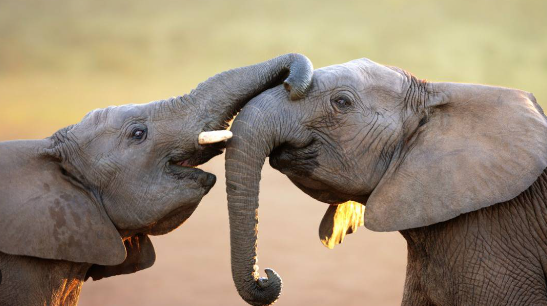
Elephants are renowned for their intelligence, but how do they compare to other large mammals? In this exploration, we delve into the cognitive abilities of elephants in relation to their counterparts, highlighting unique characteristics and behaviors.
1. The Remarkable Brain of Elephants
Elephants possess one of the largest brains in the animal kingdom, weighing around 5 kilograms. This substantial brain size is accompanied by a high level of complexity, particularly in the neocortex, which is responsible for various functions like reasoning and problem-solving. The sheer size and structure of their brains allow them to exhibit behaviors that are often interpreted as signs of advanced intelligence, such as empathy, self-awareness, and social learning.
Studies have indicated that elephants can recognize themselves in mirrors, which is a marker of self-awareness—a trait shared with humans, dolphins, and some primates. Furthermore, they exhibit emotional behaviors; elephants are known to mourn their dead, showing a deep understanding of loss. This level of emotional depth sets elephants apart from many other large mammals in the animal kingdom.
-
- Understand the brain structure: Familiarize yourself with how the elephant brain compares to other large mammals.
-
- Observe their behaviors: Look for signs of emotional intelligence in elephants.
-
- Read about mirror tests: Learn how elephants passed this self-awareness benchmark.
-
- Engage in discussions about animal cognition: Join forums or groups interested in animal intelligence.
2. Problem-Solving and Tool Use
Elephants demonstrate remarkable problem-solving skills and the ability to use tools, placing them among the most intelligent animals. For instance, they can modify sticks or branches to use as tools for scratching or swatting insects. Elephants have also been observed using leaves as sponges to soak up water, showcasing their ability to innovate solutions in different contexts.
In comparison, other large mammals, such as gorillas and some species of whales, also display tool use and problem-solving capabilities, but elephants are unique in their approach to these tasks. Their size and physical strength allow them to manipulate their environment in ways that smaller animals cannot. This adaptability is crucial for survival, particularly in changing habitats.
-
- Study examples of tool usage among elephants and compare them with other mammals.
-
- Watch documentaries focusing on animal behavior and intelligence.
-
- Engage in animal rescue or conservation efforts to witness these behaviors firsthand.
-
- Participate in wildlife tours focusing on elephants to learn about their problem-solving skills.
3. Social Structures and Communication
The social structures of elephants are complex and highly developed. They live in matriarchal herds led by the oldest female, who plays a crucial role in guiding the group and making decisions. Communication among elephants is also sophisticated, involving a variety of vocalizations, gestures, and even infrasound, which can travel long distances. This ability to communicate effectively is essential for maintaining their social bonds and coordinating group activities.
By comparing elephant social structures to those of other large mammals, such as whales and buffalo, we can see both similarities and distinct differences. While whales also exhibit complex social structures, elephants’ close-knit family units and their reliance on matriarchs for leadership are particularly noteworthy. This social intelligence allows elephants to navigate challenges together, enhancing their survival against predators and environmental changes.
-
- Observe elephant herds to understand their social dynamics.
-
- Learn about the role of matriarchs in elephant societies.
-
- Explore how other large mammals communicate and compare their methods.
-
- Participate in discussions about social intelligence in animals.
4. Emotional Intelligence and Empathy
Elephants are known for their emotional intelligence and capacity for empathy. They form deep bonds with family members and have been observed helping injured or distressed companions, demonstrating a profound understanding of social relationships. Moreover, during moments of grief, they may return to the bones of deceased relatives, a behavior suggesting that they can comprehend loss and mourning.
This emotional depth is less commonly reported in other large mammals, although species like dolphins and certain primates also display empathy and emotional behaviors. However, the cultural rituals of elephants, such as “mourning,” set them apart and highlight their capability for complex emotional response, raising questions about the nature of intelligence across species.
-
- Read case studies focusing on elephant emotional behaviors.
-
- Volunteer at wildlife sanctuaries to observe emotional responses in animals.
-
- Discuss with others the differences in emotional intelligence among large mammals.
-
- Research various animal studies on empathy to gain deeper insights.
5. Conservation Implications of Elephant Intelligence
The intelligence of elephants has significant implications for their conservation. Understanding their cognitive abilities can help conservationists develop better strategies for protecting these majestic creatures, recognizing their needs for social structures and environments where they can thrive. The more we learn about their intelligence, the more we can appreciate the complexity of their lives and the urgency of the conservation efforts needed to ensure their survival.
Moreover, educating the public about elephant intelligence fosters empathy toward them, encouraging proactive conservation actions. Awareness can translate to action, prompting individuals and communities to support initiatives aimed at protecting elephant habitats and reducing human-wildlife conflict.
-
- Support conservation efforts focused on protecting elephant habitats.
-
- Participate in community education programs to spread awareness of elephant intelligence.
-
- Reduce plastic and waste to help preserve natural habitats.
-
- Engage in fundraising activities for organizations dedicated to elephant conservation.
In conclusion, understanding the intelligence of elephants compared to other large mammals reveals the rich complexity of animal cognition and social behavior. Their memory, empathy, and communication skills remind us that intelligence takes many forms in the natural world. Much like an elephant sculpture that captures strength and grace in stillness, real elephants embody both power and sensitivity in motion. By supporting conservation efforts and spreading awareness, we can help ensure their survival. Take the next step to learn more and get involved—you may discover that each of us plays a meaningful role in protecting not only elephants but all of Earth’s precious wildlife.