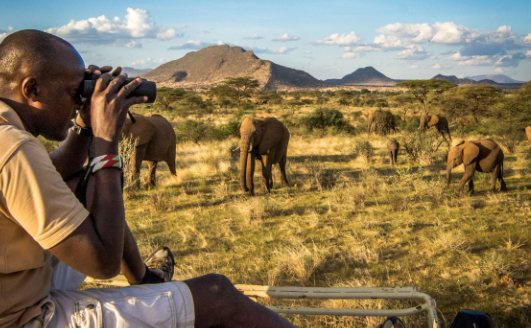
Elephant behavior research is a fascinating field that uncovers the complexities of these majestic creatures. Understanding their social structures, communication methods, and emotional lives is crucial for both conservation efforts and our overall comprehension of animal behavior. Long-term observation of elephants in their natural habitats allows researchers to gather insightful data that short-term studies simply cannot provide.
1. The Importance of Longevity in Observation
Long-term observation enables researchers to capture the full spectrum of an elephant’s life and behavior. Elephants have rich social networks; they form bonds and intricate relationships that evolve over time. By consistently monitoring specific herds or individuals, researchers can document changes in social dynamics, such as the impact of aging matriarchs on group behavior or how young bulls learn from experienced males.
Furthermore, long-term studies reveal how environmental factors influence behavior over time. For example, significant droughts can force elephants to adapt their foraging strategies, impacting their social interactions and health. Observing these adaptations over multiple years allows researchers to predict how elephants might respond to future climate challenges.
-
- Identify key elephants for long-term study.
-
- Set up a consistent data collection schedule.
-
- Use various methods like tracking, observation, and technology.
-
- Ensure to document any environmental changes or challenges.
2. Uncovering Social Structures
Elephant herds are matriarchal, often led by an elder female who possesses invaluable knowledge about the terrain, water sources, and social dynamics. Long-term research sheds light on how these social structures maintain stability and ensure survival in changing environments. Tracking individual elephants allows researchers to understand the nuances of their hierarchy and how roles may shift when an elder dies or leaves the group.
This ongoing study of social structure helps conservationists implement better protection strategies. For instance, knowing the core social ties between individuals might influence decisions on which elephants to protect from poaching or habitat loss. Each observation contributes to a larger understanding of how elephants communicate, nurture young ones, and sustain group cohesion.
-
- Focus on the leader’s influence on the herd.
-
- Observe interactions among different age groups.
-
- Document the impact of environmental stressors on social behavior.
-
- Involve local communities in data collection to gain extra insights.
3. Emotional Intelligence of Elephants
Research shows that elephants display a range of emotional responses, such as grief, joy, and empathy. Long-term observation allows researchers to witness these emotional nuances in context. For instance, a mother elephant may grieve for her lost calf in ways that can evoke strong emotional responses from observers, exhibiting behavior like touching the remains or calling for her lost young.
Long-term studies also facilitate the understanding of how emotional bonds affect herd dynamics. The deep connections formed over years can lead to collective behavior changes in response to threats or changes in their environment. This kind of insight is vital for conservation, as it helps inform policies that will respect and protect their emotional and social lives.
-
- Keep a detailed emotion diary for individual elephants.
-
- Record specific behaviors associated with stress or joy.
-
- Monitor herd changes following significant events.
-
- Engage with zoologists to better interpret emotional data.
4. Adaptation to Environmental Changes
Elephants are keystone species; their foraging habits help shape the ecosystems in which they live. Long-term observation is crucial in examining how these giant mammals adapt their behaviors in response to environmental change. Researchers have documented shifts in migration patterns due to habitat degradation, which can directly lead to increased human-elephant conflicts as they search for resources.
Through repeated observations, scientists can assess the long-term impacts of human activities, such as urban development or poaching, on elephant behavior. These insights are invaluable for developing conservation strategies that foster coexistence between elephants and human communities while ensuring that elephants can thrive in their ecosystems.
-
- Map out critical resource areas and migration routes.
-
- Monitor changes over time in resource availability.
-
- Study changes in behavior during droughts or habitat loss.
-
- Collaborate with conservation organizations to implement strategies based on findings.
In conclusion, the intricacies of elephant behavior can only be truly appreciated through long-term observation. This practice not only enriches our understanding of these intelligent beings but also informs critical conservation efforts. If you are passionate about wildlife, consider joining a conservation program or participating in citizen science initiatives to contribute to ongoing research in your local area.