Elephants are not only known for their size and strength but also for their remarkable curiosity and exploration behavior. These majestic creatures possess an innate desire to investigate their surroundings, leading to fascinating social interactions and problem-solving skills.
This blog post will delve into the reasons behind elephant curiosity, explore some fascinating exploratory behaviors, and provide insights into how we can foster curiosity in elephants, both in captivity and in the wild.
1. Understanding Elephant Curiosity
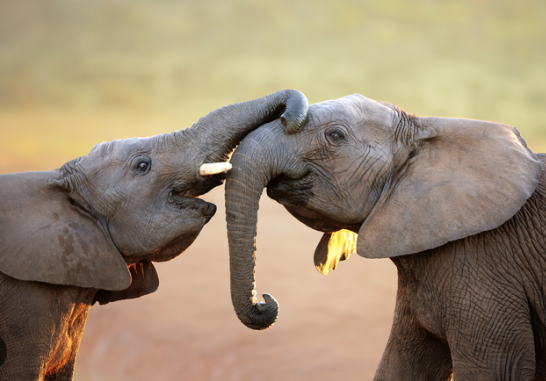
Curiosity in elephants is often linked to their social structure and intelligence. Elephants are highly social animals, and their curiosity helps them explore relationships within their herds. They use their trunks to investigate various textures and objects, enabling them to learn about their environment and the other creatures in it. This exploration behavior is crucial for young elephants as they grow, helping them to develop skills essential for survival.
Moreover, curiosity can be seen as a survival mechanism. Elephants frequently investigate new territory to find food, water, and safe resting spots. This need to learn about their surroundings can lead to longer-term explorations, where elephants travel vast distances to discover new resources. These behaviors showcase their adaptability and intelligence, highlighting the importance of curiosity in their lives.
-
- Encourage safe exploration for captive elephants by providing varied environments.
-
- Introduce new objects or scents to stimulate their curiosity.
-
- Observe herd dynamics to understand social learning in exploration.
-
- Be aware of the natural migratory habits of wild elephants.
2. Tools and Techniques Used by Elephants During Exploration
Elephants utilize various tools in their exploration behaviors, often seen using sticks or branches to scratch themselves or dig for food. Their trunks are incredibly versatile tools, allowing them to grasp, push, and navigate their environments effectively. This dexterity enables them to interact with their surroundings in ways that few other animals can. For instance, in one instance, a young elephant used a log to help push a boulder out of the way to access a water hole.
Additionally, elephants have been observed displaying problem-solving abilities, such as using their intelligence to figure out how to access food hidden in hard-to-reach places. Their memory plays a crucial role in exploration; elephants remember locations of water sources or food patches, which aids them during seasonal migrations. This capability for tool use and problem-solving showcases their cognitive complexity and adaptability.
-
- Observe the tools elephants use in their environment for problem-solving.
-
- Introduce puzzle feeders to stimulate innovation and tool use in captive settings.
-
- Enhance enclosures with natural elements to foster exploration.
-
- Document behaviors to learn more about their ingenuity.
3. The Role of Social Learning in Elephant Exploration
Social learning is pivotal in how elephants explore their surroundings. Young elephants often learn from older herd members, observing how they react to new objects or locations. This learning process is essential, as it equips juveniles with the knowledge and skills necessary for survival. For example, a matriarch may lead the herd to a new watering hole, demonstrating the safest route while sharing crucial environmental knowledge.
This social aspect of curiosity can enhance an elephant’s exploratory behavior significantly. When one elephant discovers something novel, its peers may become intrigued, leading to a collective investigation. This behavior can result in enhanced social bonding and greater safety within the herd, as members collectively learn about their environment through shared experiences.
-
- Facilitate group activities to promote social learning in captive elephants.
-
- Encourage mixed-age herds to enhance learning opportunities.
-
- Monitor interactions to identify curiosity-driven behaviors.
-
- Share stories of elephant explorations to raise public awareness.
4. The Impact of Environment on Elephant Exploration
The environment plays a significant role in shaping the exploratory behavior of elephants. In the wild, they roam across vast landscapes, following migratory paths that provide access to diverse food and water sources. Urbanization and habitat loss can severely restrict these movements, reducing opportunities for exploration and increasing stress levels among elephant populations. It is essential to understand how these environmental changes impact their natural instincts.
Conversely, the right environment can enhance curiosity in elephants. Enrichment in captivity—like creating naturalistic habitats—allows elephants to engage in exploration as they would in the wild. It is essential that these habitats include water features, trees to forage, and spaces for social interactions, replicating their natural conditions as much as possible. Successful efforts to provide rich environments can result in healthier, happier elephants.
-
- Advocate for naturalistic enclosures in zoos and sanctuaries.
-
- Support conservation initiatives that protect elephant habitats.
-
- Participate in community efforts to restore natural environments.
-
- Encourage studies on habitats that most support elephant curiosity.
In conclusion, elephant curiosity and exploration behavior are critical components of their intelligence and social structures. By fostering environments that encourage exploration, we not only support the well-being of these magnificent creatures but also enhance our understanding of their complex behaviors. Whether in the wild or captivity, let us strive to provide opportunities for these intelligent animals to thrive through curiosity.