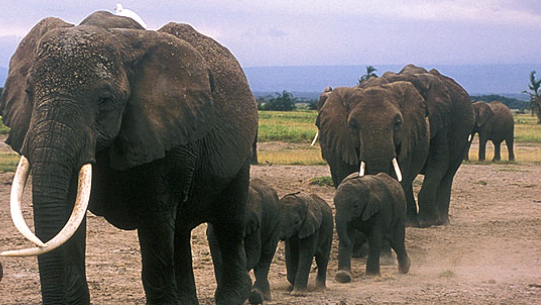
Elephants are more than just gentle giants; they possess complex social structures and family dynamics that are fascinating to observe. Understanding their family hierarchy and interactions can provide valuable insights into their behaviors and conservation needs. In this blog post, we will delve into the intricacies of elephant family structure and social hierarchy.
1. The Core Family Unit
The family unit of an elephant is typically composed of a matriarch, her daughters, and their offspring. The matriarch is usually the oldest female, and she plays a crucial role in the survival of the group. Her experience and knowledge regarding water sources, feeding sites, and migration routes are pivotal during challenging periods. This strong social bond helps maintain harmony and unity within the herd.
In addition to direct family members, young female elephants may also remain in their maternal herd for life. In contrast, males leave the herd upon reaching sexual maturity, which usually occurs around the age of 12 to 15 years. This structure encourages nurturing behavior and close kinship recognition among females, allowing them to support each other in raising calves and attending to the needs of the group.
-
- Learn about the role of the matriarch in your local elephant herd.
-
- Participate in elephant conservation and education programs.
-
- Observe female elephant behavior to understand nurturing habits.
-
- Recognize the significance of strong female bonds in other species.
2. The Role of the Matriarch
The matriarch holds a unique and essential place in elephant society. She not only guides the herd but also has an impressive memory, often recalling specific locations for water and food that may have been used years earlier. This wisdom is vital for the entire family unit’s survival, especially during dry spells. The matriarch’s decisions greatly influence the welfare and the movement of the herd.
Communication is another critical aspect of the matriarch’s role. She uses various vocalizations, body language, and even infrasound to communicate with her herd, as well as with elephants from other groups. Her ability to convey messages effectively is key to maintaining social bonds and responding to threats from predators or human activities.
-
- Encourage the study of matriarchal leadership in other species.
-
- Share stories about elephants to raise awareness about their roles.
-
- Engage in discussions about animal intelligence and social structures.
-
- Support research and conservation efforts focused on matriarchs.
3. Hierarchy Within the Herd
The hierarchy within the herd is established through a series of social interactions and relationships among the females. Younger elephants, though they may have lower status, actively learn from their elders and often form close-knit friendships with peers. This social learning is essential for passing down survival skills and understanding social cues, which aids in conflict resolution and communication within the group.
Interestingly, while there is a clear hierarchy, elephants are known for their altruism. Social interactions often involve cooperative behaviors, such as caring for calves or helping injured members of the herd. This interconnectedness enriches the social fabric and enhances the resilience of the family unit. Even those that are lower in the hierarchy participate meaningfully, which overall promotes a nurturing environment.
-
- Observe interactions within herds to identify social dynamics.
-
- Support wildlife documentaries focused on elephant behavior.
-
- Write about your observations to raise awareness about animal societies.
-
- Create community programs to discuss the importance of social learning.
4. The Male Dynamics in Elephant Society
When male elephants approach maturity, they tend to leave their maternal groups to either remain solitary or join bachelor herds. These bachelor groups consist of young males who provide one another with company, playing and competing for future mating opportunities. Interestingly, the interactions between these males can be quite complex, as they engage in friendly play as well as competitive displays of strength.
Contrary to the traditional view of tough, solitary bulls, research indicates that these males also maintain social ties and exhibit significant social behaviors. When the breeding season arrives, dominant bulls often engage in intricate courtship rituals, which can take several forms, including vocalizations, physical displays, and even scent marking to attract females from different herds.
-
- Learn about the behavior of bachelor herds and their social interactions.
-
- Participate in outreach programs involving elephant conservation.
-
- Observe how young males learn social skills through competition.
-
- Promote discussions regarding male-female interactions in wildlife.
5. Conservation Implications of Social Structures
Understanding the family structure and social hierarchy of elephants has significant implications for their conservation. When planning protected areas, it’s essential to consider the movements and social needs of elephant herds. Loss of matriarchs due to poaching drastically affects a herd’s stability and long-term survival, making it imperative to develop strategies for protecting both individuals and social groups.
Moreover, educational programs aimed at local communities regarding the importance of elephant social structures can foster a greater appreciation for these majestic creatures. Empowering communities to engage in ecotourism or conservation efforts ensures a sustainable future for elephants, and by extension, the ecosystems they inhabit.
-
- Support efforts to increase anti-poaching measures.
-
- Encourage local involvement in conservation programs.
-
- Promote tourism that educates visitors about herd dynamics.
-
- Advocate for policies that protect elephant habitats and migration routes.
In conclusion, elephants exhibit rich family structures that are essential for their survival and social cohesion. Understanding these dynamics can significantly contribute to conservation efforts. Consider supporting local conservation initiatives or engaging in educational programs to further appreciate and protect these remarkable animals.