Elephants are known for their intelligence, social bonds, and remarkable altruistic behavior. Observing these magnificent creatures in their natural habitat has revealed a profound capacity for empathy and support within their societies. This blog post delves into the different aspects of altruistic behavior in elephants, shedding light on their unique social structures and interactions.
1. Social Bonds and Empathy
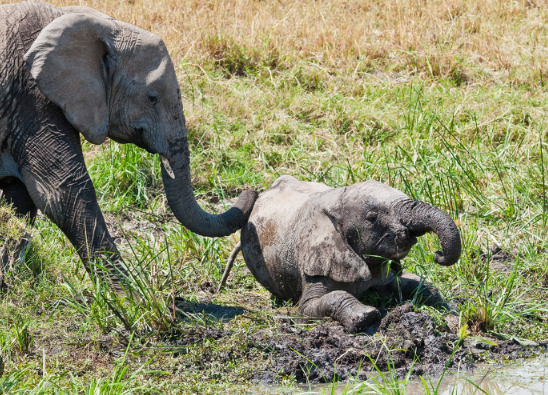
One striking characteristic of elephant societies is the strong social bonds that exist within herds. Elephants often display a high level of empathy towards one another, particularly in times of distress. For instance, when a member of the herd is injured or ill, other elephants rally around to provide assistance, using their trunks to support the afflicted one. This behavior not only helps the injured elephant but also reinforces social ties within the group.
Moreover, elephants exhibit emotional responses that are both complex and sophisticated. When a matriarch dies, the herd holds a sort of funeral, touching her body gently with their trunks and staying with her for an extended period. This behavior showcases their understanding of loss and grief, indicating a deep emotional intelligence that further solidifies their relationships with one another.
-
- Spend time observing elephant herds in the wild to witness their social interactions.
-
- Consider the importance of strong social structures in animal behavior.
-
- Research the roles of different elephants within the herd.
-
- Reflect on how elephants’ empathy can inform human social behaviors.
2. Cooperative Caregiving
Another fascinating aspect of altruistic behavior in elephants is their cooperative caregiving. Female elephants, often designated as “aunts,” will help care for young calves, even if they are not their own. This collective childcare not only ensures the survival of the calves but also strengthens the bonds between adult females in the herd. A nurturing environment is crucial for the development of young elephants as they learn valuable social skills and survival tactics.
In several documented cases, calves have been observed engaging in play with not just their mothers but also with other females in the herd. This frequent interaction allows them to develop social skills at an early age, preparing them for complex societal interactions as they mature. Cooperative caregiving is not just beneficial; it is essential for maintaining the health and vitality of future generations.
-
- Support conservation efforts that promote healthy elephant populations.
-
- Understand the importance of cooperative caregiving in wildlife preservation.
-
- Visit wildlife sanctuaries to learn about infant elephant care programs.
-
- Engage with resources that inform about the roles of maternal figures in animal societies.
3. Altruism in Action: Rescue Behaviors
Rescue behaviors are another fascinating example of altruism observed in elephants. When one member of a herd becomes trapped or separated, others often engage in effortful actions to help free them. There are recorded instances where elephants have used their immense strength to lift tree branches or dig out mud to rescue a fellow elephant stuck in a pit or mud hole. This selfless act not only highlights their physical capabilities but also their commitment to each other.
Additionally, elephants are known to display protective behaviors towards other species in distress. There are instances where elephants have defended other animals from predators, showcasing a level of compassion that is rare in the animal kingdom. Such behaviors not only illustrate the depth of their altruism but also the interconnectedness of life in their ecosystems.
-
- Observe wildlife documentaries featuring altruistic behaviors in elephants.
-
- Engage in discussions about the role of altruism in animal behavior.
-
- Advocate for the protection of habitats where such behaviors can thrive.
-
- Volunteer for organizations focusing on wildlife rescue efforts.
4. The Impact of Altruism on Ecosystem Health
The altruistic behavior of elephants significantly impacts the health of their ecosystems. By participating in cooperative behaviors, elephants help maintain the balance of their environments. Their actions contribute to seed dispersal, and they assist in creating pathways through dense vegetation, allowing other species to thrive. This multitiered interaction within ecosystems underscores the importance of elephants not just as individual beings but as crucial components of biodiversity.
Further emphasizing their ecological role, elephants are known to push down trees, which opens up areas for grasses to grow. This behavior facilitates a diverse range of flora and fauna that rely on these habitats. Therefore, the altruistic behaviors of elephants have cascading effects, influencing the health of their ecosystems and the survival of other species. Their role is not merely that of an individual; they contribute to the well-being of diverse life forms, illustrating the interconnected nature of all living beings.
-
- Explore ways to support conservation efforts that protect elephants and their habitats.
-
- Participate in educational programs to raise awareness about ecosystem health.
-
- Advocate for policies promoting biodiversity and habitat conservation.
-
- Engage communities in discussions about the importance of keystone species.
In conclusion, the altruistic behaviors of elephants are a testament to their intelligence and social complexity. By observing and understanding these behaviors, we can foster a greater appreciation for these majestic creatures and contribute to their conservation. Interested readers should consider exploring wildlife sanctuaries, engaging in discussions about animal behavior, or supporting organizations dedicated to the preservation of elephants and their habitats.