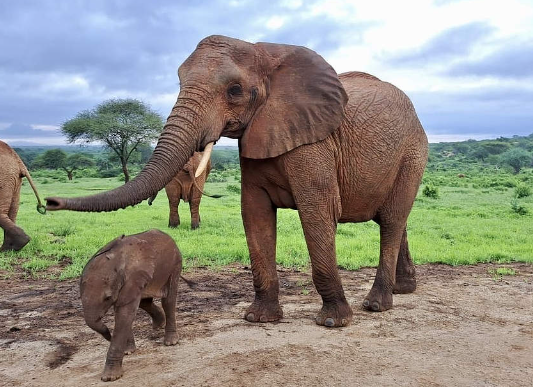
Elephants are remarkable creatures known for their intelligence and strong social connections. However, the process of childbirth presents unique challenges that can greatly affect both mother and calf. Understanding these challenges can guide conservation efforts and improve the care provided to captive elephants.
1. Physical Size and Weight
One of the most significant challenges elephants face during childbirth is their massive size. An adult female elephant can weigh up to 6,000 kilograms, which translates into a complex and physically demanding birth process. The sheer weight can lead to complications such as difficulties in movement and potential exhaustion during labor. A typical gestation period lasts around 22 months, and as the time approaches, the mother must be physically prepared to handle the strain of delivery.
Moreover, the physical dynamics of birth can pose additional risks. Due to their size, elephants often give birth while standing, which can lead to complications if the calf is not positioned correctly. A calf usually weighs about 120 kilograms at birth, and its sudden emergence can put a strain on the mother’s body. Ensuring that the delivering mother has access to a safe and supportive environment is crucial for reducing physical stress.
-
- Provide a safe, quiet environment for the mother during labor.
-
- Monitor the mother’s health closely during the pregnancy.
-
- Consult veterinarians experienced in elephant care.
-
- Facilitate a supportive social circle around the mother.
-
- Ensure the area is free of hazards to prevent stress injuries.
2. Emotional and Social Challenges
Elephants are social animals, and childbirth not only impacts the mother but the entire herd. Emotional challenges can arise from separation during labor or the loss of a calf, which can lead to depression and anxiety for the mother. In the wild, elephants form strong bonds, and a birth experience can trigger complex social dynamics within the herd. These emotional aspects are often overlooked but are essential for the long-term well-being of the mother and the calf.
Additionally, when an elephant is pregnant, her social behavior may change. She might need extra support and companionship, which can lead to stress if the herd dynamics shift or if other elephants are not responsive to her needs. Ensuring that the mother feels secure within her social structure is crucial for a successful childbirth experience.
-
- Foster strong bonds within the herd before and after childbirth.
-
- Introduce supportive elephants who have experience with births.
-
- Monitor emotional behaviors for signs of distress.
-
- Provide extra attention and care for the mother during labor.
3. Environmental Factors
The environment where elephants give birth plays a critical role in the success of the process. Natural habitats may pose risks such as predators or harsh weather conditions, which can create additional stress during labor. For captive elephants, ensuring a safe and controlled environment is vital but might not replicate the mother’s natural birthing instincts, affecting her behavior during childbirth.
In the wild, the presence of other elephants generally aids in the birthing process. They often create a protective circle around the mother, helping her feel secure. However, in captivity, the lack of such environmental safeguards can lead to complications. Indoor birthing facilities should mimic natural settings as closely as possible to offer comfort to the mother.
-
- Design birthing areas that resemble natural habitats.
-
- Monitor environmental factors like temperature and humidity.
-
- Ensure that the area is spacious and free from obstructions.
-
- Provide enriching stimuli to promote natural behavior.
4. Calf Health and Immediate Care
The health of the calf immediately after birth is crucial for its survival and development. Newborn elephants are incredibly vulnerable and require immediate assistance from their mothers and other herd members. Any complications during birth can jeopardize the calf’s health, including breathing difficulties or injury from a difficult labor. Prompt attention to the calf’s health is essential to ensure it can stand and nurse within a few hours of delivery.
Additionally, the quality of maternal care plays a significant role in calf survival. If the mother is exhausted or stressed, she might not be able to nurse the calf adequately. Monitoring the pair closely after delivery helps in spotting signs of distress and allows for timely intervention when necessary. Specialized care programs post-birth can help in ensuring the wellbeing of both the mother and her new calf.
-
- Conduct immediate health checks on the calf after birth.
-
- Provide nutritional support for the mother post-delivery.
-
- Facilitate bonding time between mother and calf.
-
- Set up a monitoring system for any signs of illness in the calf.
In conclusion, the challenges elephants face during childbirth are numerous and varied, from physical and emotional strains to environmental factors and calf care issues. By understanding these challenges, we can better support both elephants in the wild and in captivity. If you are involved in elephant care or conservation, consider reaching out to professionals in wildlife management for more tailored strategies to enhance maternal and calf welfare.