Elephants are not just majestic creatures; they are also remarkable in their social structures and cooperative behaviors. Within their groups, they demonstrate a complex network of support that plays a pivotal role in their survival and wellbeing. Understanding these cooperative care behaviors provides valuable insights into their social lives and the importance of community in the animal kingdom.
1. Understanding Cooperative Care Behaviors
Cooperative care behavior refers to the support and assistance that elephants provide to one another, particularly in rearing young and protecting vulnerable members of the herd. Matriarchs lead elephant families, utilizing their wisdom to teach younger elephants vital survival skills. Research has shown that when younger elephants struggle, older ones often step in to help, ensuring that the whole group thrives.
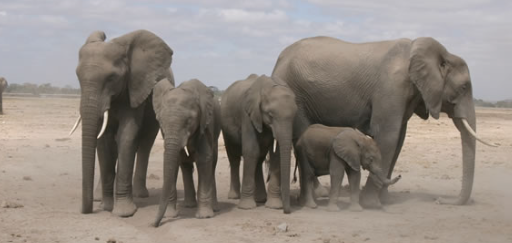
One key aspect of cooperative care is the communal nurturing of calves. Elephants practice “allomothering,” where various females in the group help take care of the young ones. This increases the calves’ chances of survival by providing them with multiple caregivers who can guide and protect them. Such collective rearing ensures the infants receive the necessary socialization and skills needed to grow into healthy adults.
-
- Observe the interactions during feeding—who assists whom?
-
- Take note of how many elephants surround a calf when it is in distress.
-
- Watch for allomothering behaviors, especially during playtime.
-
- Document instances of older elephants offering guidance to the young.
2. The Role of Matriarchs in Cooperative Care
Matriarchs are the backbone of elephant family units, often being the oldest and most experienced female in the group. Their role goes beyond mere leadership; they embody the memory and wisdom of the herd. Matriarchs remember crucial details such as water sources and safe migration routes, which are vital for the survival of the entire group.
Moreover, the matriarch’s ability to recognize individual elephants within her group fosters strong social bonds. This recognition allows her to manage the dynamics of the herd effectively, leading to better cooperative care behaviors such as guiding younger elephants in feeding and resting. Such leadership creates a foundation for a tightly-knit group that can respond quickly in times of danger.
-
- Identify the matriarch in observed groups—usually the largest female.
-
- Look for signs of her directing younger elephants during feeding or resting.
-
- Acknowledge how often she intervenes in conflicts or stressful situations.
-
- Note how she communicates with other members of the group.
3. Social Bonds and Cooperative Defense Mechanisms
The social bonds formed within elephant groups serve a dual purpose: nurturing younger elephants and defending against threats. When a threat arises, such as the presence of predators or humans, elephants form a protective circle around vulnerable members. This cooperative defense mechanism not only showcases their physical strength but also their commitment to community safety.
For instance, if a calf is threatened, you may witness adult elephants rushing to its side. They often use vocalizations and movements to alert and rally other members of the herd for a coordinated response. This collective action demonstrates the strength of their social relationships, making it a compelling strategy for survival.
-
- Observe herd behaviors during potential threats—how do they react?
-
- Check for vocalizations and body language indicating alertness.
-
- Watch for characteristically protective stances around calves or weaker members.
-
- Document instances of group coordination in response to dangers.
4. The Impact of Environmental Changes on Cooperative Behaviors
Environmental changes significantly impact elephant cooperative behaviors. Factors like habitat loss, climate change, and human encroachment can strain the social structures within elephant groups. As resources dwindle, elephants may be forced to adapt their cooperative care practices, leading to potential conflicts and decreased social cohesion.
In times of drought, for example, elephants may travel longer distances to find adequate food and water, risking the separation of family units. This geographic disruption can diminish their cooperative behaviors, as the bonds are harder to maintain when individuals are scattered across vast areas. Understanding these scenarios emphasizes the urgent need for conservation efforts to protect their habitats.
-
- Track changes in elephant migration patterns in response to resource availability.
-
- Assess how social structures adapt during periods of environmental stress.
-
- Support conservation programs that protect their natural habitats.
-
- Educate others on the importance of protecting elephants and their ecosystems.
In conclusion, recognizing and understanding cooperative care behaviors in elephant groups reveals the complexity and richness of their social lives. By promoting awareness and conservation efforts, we can help safeguard these magnificent creatures and ensure that their social structures remain intact for future generations. Let’s take the time to learn more about them and support their habitats actively. Maybe you would like to explore some elephant artworks.