Elephants are not only the largest land mammals on Earth but also exhibit a fascinating and complex birth process in the wild. Understanding how these gentle giants give birth can offer insights into their behaviors and social structures. In this post, we will delve into the intricacies of elephant birth, including the stages of labor, maternal care, and the critical first days of a newborn elephant’s life.
1. The Gestation Period
The gestation period for elephants is one of the longest among mammals, lasting approximately 22 months. This extended period allows the developing fetus to grow to a size that can survive in the challenging conditions of the wild. During this time, the mother, or matriarch, undergoes numerous physical and hormonal changes to support the growing calf.
Nutrition plays a crucial role during gestation, as the mother requires a diet rich in nutrients to sustain her and the fetus. Female elephants primarily consume grasses, twigs, fruits, and bark, and often increase their food intake significantly during pregnancy. Maternal bonding also begins during pregnancy, as the expectant mother will often be observed seeking the company of other females and maintaining close ties with her family group.
-
- Ensure a nutrient-dense diet rich in proteins and minerals.
-
- Monitor social interactions for stress levels.
-
- Stay hydrated with access to fresh water sources.
-
- Find a secure, comfortable environment for birthing.
2. The Labor Phase
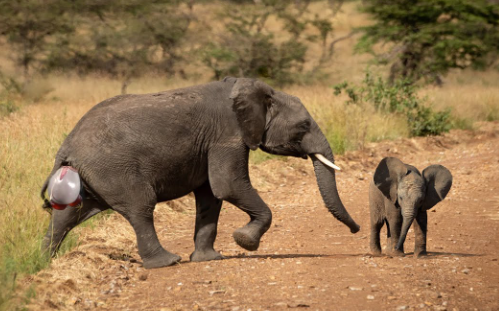
The labor phase of elephant birth is a well-coordinated and often dramatic process. As the time for delivery approaches, the mother will seek a secluded area within the herd’s territory, free from potential threats. The onset of labor can be recognized by specific behavioral changes, such as increased restlessness, trumpeting, and pacing.
- Identify signs of labor early to provide support.
- Create a safe birthing space away from predators.
- Offer comfort and reassurance to the laboring mother.
- Prepare for the unexpected; elephant births can be complicated.
3. The First Days of Life
The first few days of an elephant’s life are critical for survival. Immediately after birth, a calf typically weighs between 200 to 300 pounds and can stand and walk within a few hours. This rapid development is essential, as the calf needs to be able to keep up with the herd to avoid predators. The mother is tasked with ensuring her calf’s safety, feeding, and socialization.
During this time, the mother will frequently encourage her calf to suckle, providing vital nutrients and antibodies for a healthy start. Other females in the herd, known as “aunts,” play a significant role in helping the mother care for her newborn. They assist in protecting the calf, teaching it essential survival skills, and ensuring its social integration with the rest of the herd.
- Monitor the calf’s ability to stand and walk.
- Ensure consistent access to the mother for nursing.
- Observe interactions between the calf and other herd members.
- Provide a peaceful environment to minimize stress.
Understanding the birthing process of elephants can deepen our appreciation for these magnificent creatures. By recognizing the factors that influence their health and development, we can contribute to conservation efforts and better protect their natural habitats. Consider supporting organizations that focus on elephant conservation or learn more about their behaviors to help raise awareness globally.