Elephant dominance behavior among adult males is a fascinating topic that reveals much about these magnificent creatures. Their social interactions and hierarchy are not only complex but also crucial for understanding their behavior in the wild.
1. Understanding Dominance Hierarchy
In elephant herds, particularly among male elephants, a clear dominance hierarchy exists. Mature males, often referred to as bulls, display a range of behaviors that establish their social rank. The highest-ranking elephants typically gain access to better resources, such as food and mates. These dominance relationships can change over time and can be influenced by factors like age, size, and experience.
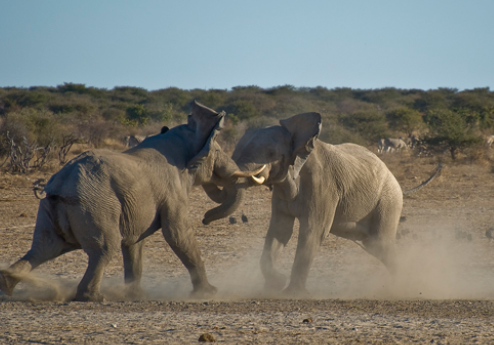
For instance, older bulls tend to be more dominant than younger ones, but they must also prove their strength and agility in various confrontations. This might include displays of aggression or ritual fights, which serve to solidify their position within the herd. These interactions are not always violent; sometimes, mere displays of strength—such as the positioning of tusks or vocalizations—can suffice to communicate dominance without actual physical confrontation.
-
- Observe male elephant interactions in the wild or in conservation settings.
-
- Document signs of dominance displays, such as posturing or vocal sounds.
-
- Learn about the age and physical characteristics of elephants in a herd.
-
- Understand the context of the behaviors—what triggers them?
2. Combat and Rituals in Dominance Establishment
When male elephants compete for dominance, they engage in both combat and ritualized displays. Combat often involves physical confrontations, which can be quite elaborate and intense. However, not every challenge results in a fight; many disputes can be settled through ritualistic behaviors that serve as warnings or tests of strength. These rituals can include trumpeting, ear-flapping, and mock charges, which communicate intentions without leading to physical injury.
One noteworthy behavior seen during these rituals is the “musth” phase in male elephants. During musth, a bull’s testosterone levels surge, leading to increased aggressiveness and dominance displays. Bulls in musth may challenge others more frequently and successfully, further influencing their status within the herd. Understanding these dynamics can clarify why some males dominate while others don’t.
-
- Monitor for signs of musth in adult males.
-
- Keep a record of rivalry or encounters between specific bulls.
-
- Study physical differences (size, tusks) that may influence outcomes.
-
- Observe if dominant bulls tend to maintain their positions over time.
3. Social Learning and Its Impact on Dominance
Social learning plays a pivotal role in how dominance is established and maintained among male elephants. Young bulls learn by observing the interactions of mature males and can adopt certain strategies to enhance their social standing. For example, they may mimic the behavior of dominant bulls, gradually incorporating tactics that help them compete effectively.
Studies show that social structure is not static; as younger males grow and gain experience, they may challenge older bulls. This ongoing dynamic shapes the collective behavior of elephant populations, and can lead to shifts in hierarchy with the introduction of new individuals. Recognizing that elephant dominance behaviors are learned rather than instinctual can help inform conservation efforts aimed at preserving these social structures.
-
- Encourage learning through observation of older males.
-
- Facilitate interactions that promote social growth among younger bulls.
-
- Analyze changes in hierarchy over time to inform management strategies.
-
- Support research that explores social learning in elephants.
4. Importance of Dominance Behavior in Conservation
The study of dominance behaviors in male elephants has significant implications for conservation efforts. Understanding these interactions helps wildlife officials and conservationists to manage elephant populations effectively, ensuring that the social structures are preserved. For instance, disruptions in hierarchy due to poaching or habitat loss can lead to increased aggression and dysfunction within herds.
Efforts to conserve elephant habitats must also consider the social needs of these animals. Providing adequate space and access to resources allows for natural dominance behaviors to emerge, fostering healthier populations. Conservation strategies that incorporate social dynamics are more likely to succeed in maintaining stable and thriving elephant populations.
-
- Advocate for policies that protect habitat and resources for elephants.
-
- Implement measures to monitor social structures in elephant populations.
-
- Support initiatives aimed at educating the public on elephant behavior and conservation.
-
- Encourage research partnerships focused on dominance and social behavior.
In conclusion, understanding elephant dominance behavior among adult males is essential for grasping their complex social interactions. Whether you are a researcher, conservationist, or simply an elephant enthusiast, delving deeper into this topic can lead to richer insights into their lives. Consider reaching out to conservation organizations or joining local initiatives to support these magnificent creatures.