Elephants are among the most emotionally complex creatures on Earth. Their responses to stress and loss reflect deep emotional capacities, shedding light on the rich inner lives of these magnificent animals. Understanding these emotional responses can enhance our approach to their conservation and care.
1. Understanding Elephant Stress Responses
Elephants can experience stress much like humans do, revealing their feelings through various behaviors. Common stressors include habitat loss, poaching, and social instability within herds. When an elephant is stressed, it might exhibit signs such as excessive trumpeting, pacing, or even aggression. These behaviors are their ways of communicating distress and signaling that something is wrong within their environment or social structure.
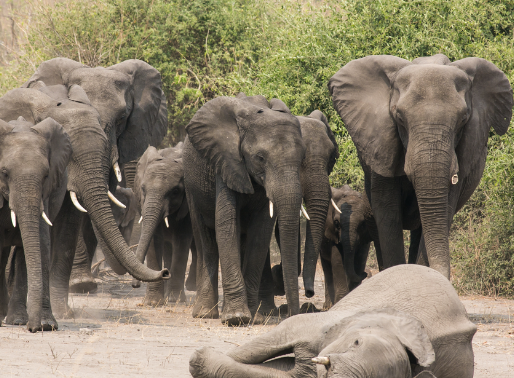
Research indicates that matriarchs play a crucial role in their herd’s emotional well-being. When faced with stress, they often display protective behavior towards younger elephants, demonstrating a keen awareness of the herd’s emotional climate. This caregiver instinct can help the entire group cope with stress, creating a supportive environment where elephants can recover from their emotional turmoil.
-
- Pay attention to body language; signs of stress can include ear flapping or tail swinging.
-
- Observe social interactions; stressed elephants might isolate themselves from the group.
-
- Provide a safe environment with sufficient space for movement.
-
- Minimize exposure to stressors, such as loud noises or unfamiliar animals.
-
- Ensure regular health check-ups to rule out physical causes of stress.
2. The Impact of Loss on Elephants
When elephants experience loss—such as the death of a matriarch or a family member—their emotional responses can be profound and long-lasting. Elephants are known to mourn in a manner similar to humans, often revisiting the bones of the deceased or exhibiting signs of sadness for an extended period. This behavior shows that their memory and emotions are intricately tied to their identity as social animals.
Moreover, the grieving process can significantly impact younger elephants, who may lose not only a family member but also their main support system. The challenge of coping with such loss illustrates the importance of strong social bonds in elephant herds, which help them navigate the hardships of life. Understanding this aspect can guide conservationists in creating environments that support emotional recovery after loss.
-
- Encourage herd cohesion, where elephants are allowed to stay together after experiencing loss.
-
- Facilitate opportunities for social bonding in safe settings.
-
- Avoid separating younger elephants from their families during tough times.
-
- Create empathetic care routines that allow for grieving behaviors.
-
- Monitor elephants’ behaviors for signs of prolonged grief, such as changes in appetite or activity level.
3. Promoting Emotional Well-Being in Captivity
In conservation settings, ensuring the emotional health of elephants requires a thoughtful approach. Facilities must aim to recreate a natural environment that mimics their wild habitats, where they can express their emotional behaviors freely. Providing enriching experiences—such as social interactions, physical challenges, and mental stimulation—is essential for their overall well-being.
Training programs designed with positive reinforcement can also play a significant role in building trust between elephants and their caregivers. By rewarding preferred behaviors, caretakers can foster a healthy, supportive environment that helps alleviate stress. This, in turn, can lead to more stable emotional conditions and a better quality of life for these majestic creatures.
-
- Implement behavioral enrichment programs that mimic natural foraging techniques.
-
- Encourage interactions with caregivers to strengthen bonds.
-
- Offer safe spaces for elephants to retreat from stressful situations.
-
- Utilize positive reinforcement in training to build trust.
-
- Regularly evaluate the social dynamics within herds to ensure emotional stability.
Ultimately, recognizing that elephants have rich emotional lives is essential as we work to support their well-being both in the wild and in captivity. By fostering environments that respect their emotional complexity, we create a path toward healthier and more contented elephants. In some ways, this awareness is reflected in the quiet dignity captured by an elephant sculpture, where strength and sensitivity are conveyed in a single form. As we continue to understand how elephants respond to stress, loss, and social bonds, it becomes our responsibility to take meaningful actions that promote their welfare and long-term conservation.