Elephants are remarkable creatures, not just because of their size but also due to their unique adaptations that enable them to traverse vast distances. One of the most crucial adaptations is their foot structure, which plays a significant role in their ability to walk long distances effortlessly. In this blog post, we’ll delve into the intricacies of elephant foot anatomy and its importance in their long-distance movement.
1. Understanding Elephant Foot Anatomy
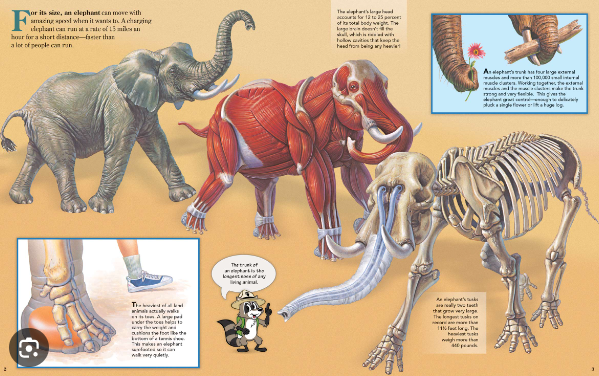
The anatomy of an elephant’s foot is specifically designed to support their massive weight as well as facilitate energy-efficient movement over long distances. Each foot has a padded cushion of fat and connective tissue that absorbs shock and allows for a soft landing. Additionally, the bones in the foot are structured to distribute weight evenly, preventing injury and promoting longevity in their mobility. This specialized foot structure is essential for their survival in diverse habitats, from grasslands to dense jungles.
Moreover, the foot’s large surface area helps in dispersing the weight of the elephant, enabling them to walk quietly on soft ground without sinking. Unlike many animals, elephants have five toes, which are not prominently visible due to their rounded foot shapes. Each toe has its own toenail, a structure that contributes to their overall stability and balance, especially during long treks.
-
- Learn more about the anatomical structure of elephants.
-
- Observe an elephant walking to see foot movement in action.
-
- Consider the environmental impact on elephants’ foot structure.
-
- Explore the effects of injury on their mobility.
2. The Role of Feet in Long-Distance Walking
Foot structure greatly affects an elephant’s ability to walk long distances, as these magnificent animals cover up to 50 miles in a day in search of food and water. The fat pad in their feet acts like a natural shock absorber, reducing fatigue while enabling sustained movement over extended periods. This ability to travel long distances is crucial for their survival, especially in arid regions where resources are scarce.
Additionally, the unique walking pattern of elephants, known as “pacing,” minimizes energy expenditure. They often move in a rhythm that conserves energy, allowing them to trot or walk at a speed that feels comfortable over long stretches. This efficiency is facilitated by their well-adapted feet, which provide the necessary support without excessive strain on their bodies.
-
- Engage in mindfulness while observing elephants in the wild.
-
- Note how elephant families work together while traveling.
-
- Explore local initiatives focusing on elephant conservation.
-
- Document your observations for educational purposes.
3. Adaptations for Terrain and Climate
Elephants have evolved different foot adaptations based on their environments, ensuring they remain efficient travelers in various terrains. For instance, African elephants typically have larger feet than their Asian counterparts, which allows them to traverse more challenging terrains, such as rocky surfaces and marshy grounds. These adaptations are crucial for dodging potential threats and finding food and water sources across diverse landscapes.
In addition to structural differences, elephants also exhibit behavioral adaptations that complement their foot design. They often choose paths that require less energy and effort, effectively navigating through rough areas while avoiding slippery or soft ground that can hinder their movement. This careful consideration of their surroundings allows them to maintain a steady course, avoiding common pitfalls that could impede their journeys.
-
- Research how different elephant species adapt to their habitats.
-
- Observe footprints in various conditions to understand their mobility.
-
- Consider how climate change impacts elephant migration routes.
-
- Support conservation efforts focused on habitat preservation.
In conclusion, understanding elephant foot structure helps us appreciate their incredible adaptations for long-distance traveling. These adaptations not only support their physical needs but also play a crucial role in their ecological behavior. Whether you’re a student of wildlife biology or an enthusiastic nature lover, take the time to learn more about how these gentle giants navigate their world. Discovering the intricacies of their anatomy and behavior can motivate us to participate in conservation efforts and ensure their survival for future generations.