Elephants are known for their high intelligence and complex social structures. One of the most fascinating aspects of their behavior is how they mourn the loss of their herd members. Understanding this behavior can provide us with insight into their emotional depth and social bonding.
1. Understanding Elephant Grief
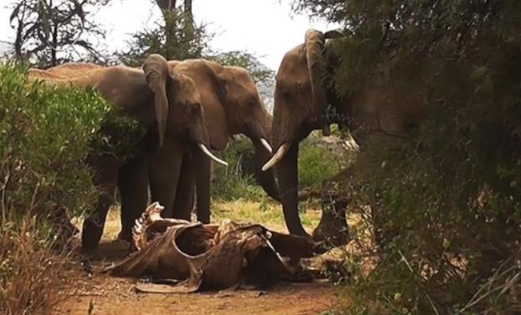
Elephant grief is strikingly similar to human responses to loss. When a member of their herd passes away, elephants exhibit various behaviors that indicate their profound sense of loss. This can include touching the remains of the deceased with their trunks, vocalizing softly, and often remaining near the body for an extended period. These activities highlight their emotional attachment and the social connections that are essential to their herds.
Research has shown that elephants can recognize the skeletons of deceased herd members, often displaying signs of distress upon encountering them. They have been observed returning to the site of a death repeatedly, which suggests a means of coping with their grief. This systematic behavior emphasizes not just sorrow but possibly a way of remembering and honoring their lost companions.
-
- Observe behaviors that indicate mourning, such as gentle touches with their trunks.
-
- Note how long they stay near the deceased individual.
-
- Count the frequency of their visits to the site of loss.
-
- Watch for vocalizations that signify distress or sadness.
2. Communal Support in Mourning
Elephants are known for their strong social bonds. When one of their own passes, members of the herd often gather around the grieving individual or family unit. This communal mourning serves as a way to provide emotional support to those most affected by the loss. The presence of other elephants can comfort the bereaved, reinforcing their social ties during an incredibly difficult time.
In some cases, younger elephants may display curiosity about death while older individuals pass on knowledge about loss and mourning. The communal aspect helps young elephants learn how to cope with grief, suggesting that elephants not only undergo emotional experiences individually but also share these moments collectively within their herds.
-
- Encourage communal responses by allowing herd interactions after a loss.
-
- Provide space for elephants to express their grief without interference.
-
- Consider healthy rituals for mourning that allow herds to collaborate.
-
- Observe the dynamics among different herd members during mourning.
3. Long-Term Effects of Loss
The loss of a herd member can have lasting effects on elephants, particularly on matriarchs who often lead their groups. Research indicates that the death of a matriarch can destabilize social structures, leading to increased anxiety and behavioral changes among remaining herd members. These shifts can manifest in various ways, including changes in migration patterns and altered feeding behavior.
Studies have further demonstrated that elephants who experience multiple losses may exhibit more pronounced signs of stress, which can affect their health and longevity. Stress-related behaviors might include increased aggression or withdrawal from interactions, illustrating the psychological impact of grief that extends far beyond the immediate mourning period.
-
- Monitor changes in social behavior among herd members after a loss.
-
- Provide a stable environment to help elephants adjust to their new social dynamics.
-
- Facilitate ongoing social interactions to reinforce bonds.
-
- Consult with wildlife specialists for long-term support strategies.
In conclusion, the mourning behaviors observed in elephants highlight their deep emotional intelligence and social structures. By better understanding how they grieve, we can take steps to create supportive environments for these incredible creatures and promote their well-being and social stability.