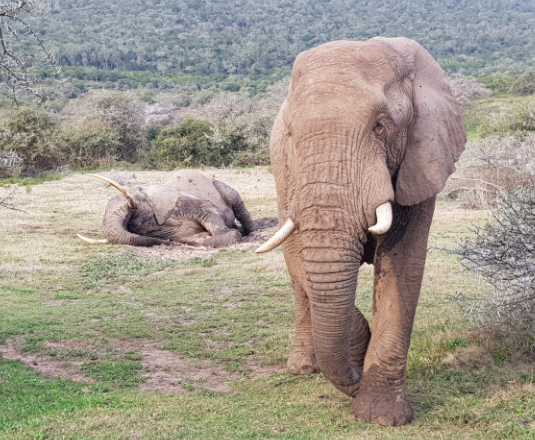
Elephants are fascinating creatures with unique sleep patterns and resting behaviors that differ significantly from many other animals. Understanding how these gentle giants rest can offer insights into their overall health and daily activities in the wild.
1. The Sleeping Habits of Elephants
Typically, elephants sleep for about 4 to 6 hours a day, which is surprising given their massive size. Unlike many mammals, elephants often do not have a consistent sleep schedule; instead, they take short naps throughout the day and night. Most of their sleep occurs during the night, with some individuals dozing off while standing, supported by their strong leg muscles.
Elephants are known to lie down for deeper sleep when they feel secure, often in groups for safety. This deep sleep can be crucial for their physical health, as it allows their bodies to rest and recover. In areas where they feel threatened, such as near human settlements, elephants can reduce their overall sleep time, affecting their well-being in the long run.
-
- Observe elephants at different times of the day to see their sleep behaviors.
-
- Ensure that the environment is safe for wild elephants to facilitate proper rest.
-
- Avoid disturbing elephants resting in their natural habitat.
-
- Learn about their natural sleep patterns to enhance conservation efforts.
2. The Role of Social Structure in Resting Behavior
Elephants are social animals, and their resting behavior is influenced by their herd dynamics. Adult elephants, especially females, often take turns keeping watch while others nap. This cooperative behavior ensures that while some elephants are resting, others are alert for potential dangers. This social arrangement highlights the importance of group cohesion and safety.
In a typical elephant herd, older matriarchs usually instigate resting periods. Young, less experienced elephants often learn the importance of rest from older members. The bonding that occurs during these moments strengthens social ties, making the herd more effective at navigating their environment safely.
-
- Encourage group behavior in captive elephants to mimic wild social structures.
-
- Monitor how social interactions impact their resting behaviors.
-
- Engage in studies about herd dynamics to better understand their sleep needs.
-
- Promote conservation of elephant herds to maintain those social structures.
3. Environmental Influences on Elephant Resting Behavior
The natural environment has a significant impact on how and when elephants rest. For example, during hot weather, elephants tend to rest more during cooler parts of the day or night. In contrast, during rainy seasons, their sleeping patterns may change; they may become more active during cooler nights or rest more frequently when it’s dry and sunny.
Furthermore, noise and disturbances from human activities can disrupt their sleep patterns. Elephant sleep patterns and resting behavior in the wild Consistent disturbances can lead to chronic fatigue, affecting their overall health and behavior.
-
- Reduce noise pollution in habitats near elephant populations.
-
- Study how different weather conditions affect their sleeping schedule.
-
- Protect natural habitats to minimize disturbances.
-
- Consider the impact of agriculture and construction near elephant territories.
Elephants are remarkable creatures with complex behaviors that underscore the importance of conservation efforts. By recognizing their unique sleep patterns and resting behaviors, we can better protect them and ensure they thrive in their natural habitats. Whether you’re a wildlife enthusiast, a researcher, or simply curious, understanding these gentle giants can lead to more effective conservation measures.