Elephants are renowned for their intelligence and social behaviors, but one of the most fascinating features of these magnificent creatures is their trunks. These elongated appendages are not just for grabbing food and drinking water; they showcase incredible dexterity and fine motor skills that are essential for survival. In this blog post, we will explore the remarkable abilities of elephant trunks and the science behind their exceptional coordination.
1. The Anatomy of an Elephant Trunk
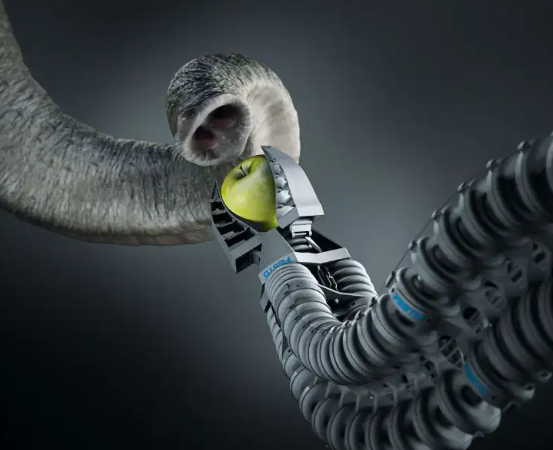
The elephant trunk is a unique fusion of the animal’s upper lip and nose, containing over 40,000 muscles. In contrast, the human hand has just over 30 muscles. This intricate muscle structure gives the trunk a level of flexibility and strength that is unmatched in the animal kingdom. Elephants can move the trunk with precise control, allowing them to perform a variety of complex tasks such as grasping, lifting, and even delicate manipulations.
Moreover, the trunk is divided into different sections, each capable of a wide range of movements thanks to the complex arrangement of muscle fibers. Elephants utilize their trunks not only for feeding but also for social interactions, communication, and even self-regulation. For instance, they can use their trunks to caress and comfort other elephants, showing empathy and forming social bonds.
-
- Understand the muscle structure: 40,000 muscles provide strength and flexibility.
-
- Observe the sections: Each trunk segment allows for distinct movements.
-
- Recognize social interactions: Trunks facilitate empathy and communication.
-
- Study their feeding habits: Trunks help in grasping and lifting food.
2. Trunk Dexterity in Action
The dexterity of an elephant’s trunk enables it to engage in activities that require fine motor skills. For example, elephants can pick up small objects like nuts and branches, and they can even use their trunks to paint or create art. This capability not only highlights their dexterity but also showcases their cognitive skills, as they can engage in tasks that require patience and precision.
One interesting example of trunk dexterity is observed during feeding. Elephants can delicately strip leaves from branches or dig through the ground for tubers—all while using their trunks to feel the environment around them. This tactile feedback allows them to assess the edibility and safety of various food sources, drastically improving their chances of survival in the wild.
-
- Witness art creation: Elephants can paint and create patterns using their trunks.
-
- Observe tactile feedback: They use their trunks to discern food safety and edibility.
-
- Explore feeding techniques: Watch how they delicately handle leaves and stems.
-
- Consider their patience: Fine motor skills often showcase their intelligence.
3. The Impact of Environment and Training
Elephants in captivity often receive training that enhances their trunk dexterity and motor skills. For instance, they may learn to perform tricks or tasks that require precision, such as balancing objects on their trunks or giving rides to humans. This training can foster their natural abilities, but it’s essential to approach it ethically and humanely to ensure the well-being of these majestic animals.
Environmental factors also play a significant role in developing trunk skills. Wild elephants must constantly adapt to their surroundings, leading them to use their trunks for a variety of tasks such as manipulating tools, creating pathways through dense vegetation, or interacting with other wildlife. This constant exposure encourages their fine motor skills to evolve efficiently.
-
- Implement humane training methods: Ensure any training respects the elephant’s natural abilities.
-
- Monitor environmental challenges: Observe how they adapt their trunk usage to different habitats.
-
- Encourage social learning: Elephants can learn from one another through observation.
-
- Focus on enrichment activities: Introduce tools or tasks that promote dexterity.
In conclusion, the dexterity of an elephant’s trunk and their fine motor skills are remarkable traits that not only serve essential survival needs but also reflect their intelligence and social nature. By understanding these incredible capabilities, we can appreciate the complex lives these gentle giants lead. If you find this fascinating, consider visiting a wildlife sanctuary or participating in educational programs that promote elephant conservation and welfare.