Elephants are known for their intelligence, strong social bonds, and intricate emotional lives. Among their various behaviors, empathy, particularly towards injured individuals, stands out as a remarkable trait that can teach us a lot about compassion in the animal kingdom. Understanding this behavior reveals much about their social structure and the importance of community within their herds.
1. Empathy in Elephant Behavior
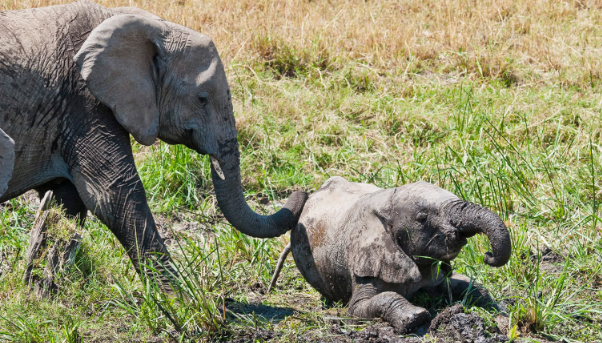
Empathy among elephants is demonstrated through their response to injured or distressed members of their herd. When an elephant is hurt, the other members often rally around, showing behaviors akin to concern or care. For instance, if a juvenile elephant has a limb injury, you might observe older elephants gently touching or nudging the hurt animal with their trunks, offering comfort and reassurance. This behavior indicates not only a bond but a deep emotional recognition of pain and suffering.
This empathetic behavior can be essential for the survival of the injured elephant. A group of elephants might assist a wounded member in moving towards a safe location, often protecting them from threats while they recuperate. This community mentality reflects how crucial relationships are in elephant herds, allowing them to thrive in challenging environments.
-
- Observe how elephants interact with an injured member of the herd.
-
- Note the physical gestures, such as trunk touching or nudging.
-
- Look for changes in the herd dynamic that may indicate concern.
-
- Consider the role of older elephants in providing care.
2. Communication and Social Interaction
Elephants use various forms of communication to express concern for an injured individual. Vocalizations, such as low rumbling sounds, along with body language, played a crucial role in conveying emotional states. For example, when a mother elephant senses her calf is in distress, she may emit specific calls that prompt immediate attention from other herd members, illustrating the complexity of their social networks.
Moreover, elephants display strong social ties and will often use their trunks to engage with the injured party. This might include helping to guide them to water or shade or shielding them from external danger. Such interactions highlight that empathy is not a solitary experience. It is an orchestrated effort that strengthens bonds and ensures the well-being of all members.
-
- Pay attention to the sounds elephants make in response to injury.
-
- Watch for how body positioning changes when a herd member is hurt.
-
- Look for cooperative behaviors, such as coordinated movement.
-
- Document any instances of comforting gestures among the herd.
3. Conservation Implications and Human Lessons
Understanding empathy in elephants can lead to vital conservation efforts. By recognizing their social structures and emotional capacities, conservationists can tailor their methods to support these complexities. For example, creating wildlife corridors that allow elephants to interact freely can enhance their ability to care for one another, particularly during times of distress.
On a broader scale, the lessons learned from elephants apply to human society as well. Observing how these majestic creatures respond to pain and loss can inspire people to develop stronger empathetic behaviors within their communities. Furthermore, advocating for compassionate conservation can inform humane policy-making that acknowledges the emotional lives of animals.
-
- Engage in local conservation efforts that support elephant populations.
-
- Educate others about the emotional lives of elephants.
-
- Support wildlife organizations focused on empathetic treatment of animals.
-
- Reflect on how empathy in animals can inspire human interactions.
4. The Importance of Age and Experience
Age plays a significant role in the empathy exhibited by elephants. Older elephants often become caregivers to younger or injured members, utilizing their experience to provide effective support. They are more likely to understand the nuances of pain and distress, demonstrating this understanding through protective behaviors. Studies have shown that matriarchs, as the oldest and wisest females, are particularly adept at responding to the needs of their herd.
This mentorship dynamic also fosters resilience within the herd. Young elephants learn how to empathize by observing older members, solidifying essential life skills that they can use throughout their lives. Fostering these intergenerational bonds can have long-lasting effects on community cohesion and survival strategies.
-
- Encourage awareness of the role of older elephants in herd dynamics.
-
- Support educational programs on intergenerational learning in wildlife.
-
- Observe different age groups within a herd for insights into behavior.
-
- Consider how these dynamics can apply to human relationships.
5. Future Research Directions
The field of studying elephant empathy is still evolving, with numerous opportunities for future research. Scientists are eager to explore the biochemical and neurological mechanisms behind their empathetic behaviors. Monitoring stress hormones and brain activity can provide valuable insights into their emotional responses, potentially leading to a better understanding of animal emotions overall.
Additionally, field studies that involve close observation of herd interactions can yield significant data. Researchers are keen to investigate how various environmental stressors, such as habitat loss and human interference, affect these empathetic behaviors. Such research is essential for implementing effective conservation strategies and promoting healthy ecosystems.
-
- Stay updated on latest studies in animal behavior.
-
- Consider participating in citizen science projects focused on wildlife.
-
- Encourage dialogue about the importance of emotional intelligence in animals.
-
- Support research organizations that are dedicated to studying animal empathy.
In conclusion, the empathy shown by elephants towards injured individuals highlights the depth of their emotional lives and social structures. By observing and learning from these magnificent creatures, we can enhance our understanding of compassion in both the animal kingdom and human society. Whether through supporting conservation efforts or engaging in educational programs, every little action can contribute to a more empathetic world.