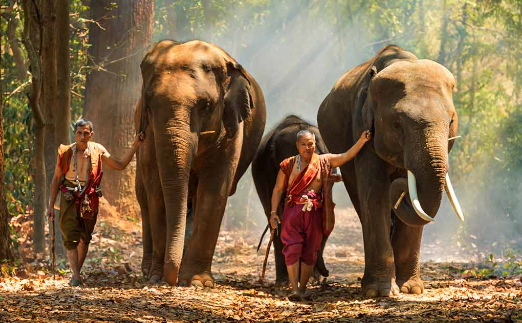
Studying wild elephant populations presents unique ethical challenges that researchers must navigate to ensure the well-being of these majestic creatures. As intelligent beings, elephants possess complex social structures and emotional depth, making it crucial to approach their study with sensitivity and respect.
1. Balancing Research and Conservation Efforts
One of the primary ethical challenges in studying wild elephants is finding the right balance between research needs and conservation efforts. Researchers often require close proximity to elephants for accurate data collection, which can sometimes disturb their natural behaviors. For example, satellite tracking may provide essential data on migration patterns, but frequent human presence can cause stress to the animals, leading to disrupted feeding or mating behaviors.
Moreover, the methods used to study elephants can inadvertently harm them. Tranquilizer darts, while often necessary for tagging, pose risks of injury or fatality. Every intervention must be weighed against its potential consequences, emphasizing the need for a dos and don’ts approach in research methodology.
-
- Prioritize non-invasive research methods like camera traps and drones.
-
- Regularly assess the impact of research activities on elephant behavior.
-
- Engage local communities in conservation efforts to minimize human-elephant conflict.
-
- Pursue ethical training in wildlife research for all team members.
2. Ethical Considerations in Data Collection
Data collection in wildlife studies often requires making decisions that impact the animals involved. For instance, using collars or tags to monitor elephants can provide valuable insights, yet these devices can sometimes cause discomfort or restrict natural behaviors. Researchers must evaluate the long-term effects of these tools, questioning if the data gathered justifies the potential stress or harm caused to the animals.
Moreover, the interpretation of data can also hold ethical implications. For example, if data is manipulated to support a specific agenda, it could lead to conservation decisions that harm populations. It is essential for researchers to maintain transparency and honesty in reporting their findings to ensure that decisions are based on accurate and comprehensive data.
-
- Develop clear ethical guidelines for data collection and reporting.
-
- Seek feedback from ethicists and conservationists on study designs.
-
- Use biocompatible materials for tracking devices to minimize discomfort.
-
- Communicate findings to a broader audience to enhance transparency.
3. Addressing Human-Elephant Conflict
The rise of human-elephant conflict is another pressing ethical issue in the study of elephant populations. As human settlements encroach on elephant habitats, researchers must consider the broader social implications of their work. Solutions to human-elephant conflicts can be ethically complex, sometimes leading to harmful actions against elephants in the name of protecting agriculture or property.
Additionally, effectively addressing this issue requires collaboration with local communities. Understanding the perspective of those living near elephant populations is crucial; researchers must prioritize listening to their concerns and incorporating their knowledge into effective solutions. This may involve creating community-based conservation practices that help reduce conflict while fostering coexistence.
-
- Involve local communities in developing conflict-resolution strategies.
-
- Educate farmers about non-lethal deterrents to minimize conflicts.
-
- Advocate for compensation programs for losses due to wildlife interactions.
-
- Support sustainable land-use practices to benefit both humans and elephants.
4. Ensuring Compliance with Wildlife Protection Laws
Adhering to wildlife protection laws is a fundamental ethical obligation when studying wild elephant populations. Various regions have laws that dictate how, when, and where research can occur, aimed at safeguarding the elephants’ well-being and habitat. For instance, conducting research in protected areas often requires permits, and neglecting this can lead to severe penalties and negatively impact ongoing conservation efforts.
Furthermore, it is imperative for researchers to be educated about local laws concerning wildlife protection and conservation. Ignorance or disregard for legal requirements can not only harm the elephants but also jeopardize future research opportunities. This necessity underscores the importance of integrating legal considerations into the research planning process.
-
- Stay updated on local wildlife protection regulations for your research area.
-
- Obtain all necessary permits and approvals before starting research.
-
- Conduct periodic reviews of the legal landscape surrounding wildlife conservation.
-
- Collaborate with legal experts to ensure compliance and responsibility.
5. Promoting Ethical Research Practices
The last but certainly not the least ethical challenge in studying wild elephants is promoting best practices within the research community. Scientists and researchers can advocate for ethical standards and encourage their peers to adopt humane methods in their own work. This fosters an environment of responsibility and compassion in wildlife research, benefiting both the animals and the integrity of scientific inquiry.
Additionally, sharing success stories of ethical research practices can inspire others and provide actionable models for change. Collaborative workshops, conferences, and publications that focus on ethical research can bridge gaps and spread knowledge throughout the discipline, encouraging a culture of respect and care for wildlife.
-
- Initiate dialogues around ethical practices in academic and research settings.
-
- Facilitate workshops on humane research methodologies.
-
- Mentor young researchers on the importance of ethical considerations.
-
- Promote a culture of transparency and accountability in research efforts.
In conclusion, understanding the ethical challenges in studying wild elephant populations is vital for the future of both research and conservation. By prioritizing ethical considerations and adopting best practices, researchers can contribute to the well-being of these incredible animals while also advancing our knowledge of their behaviors and ecosystems. Beyond scientific research, elephants have long inspired human culture and art, often represented in works such as an elephant sculpture, which symbolizes respect, strength, and our enduring fascination with these majestic creatures. For those interested in this field, considering an ethical framework is not just an option; it is a responsibility.