Elephants are some of the most intelligent and emotionally aware animals on our planet. Their complex social structures and behaviors offer profound insights into the ways grief and emotional awareness manifest within their species. Understanding the emotional landscape of elephants not only enriches our knowledge of them but also emphasizes the importance of empathy in all living beings.
1. Recognizing Grief Among Elephants
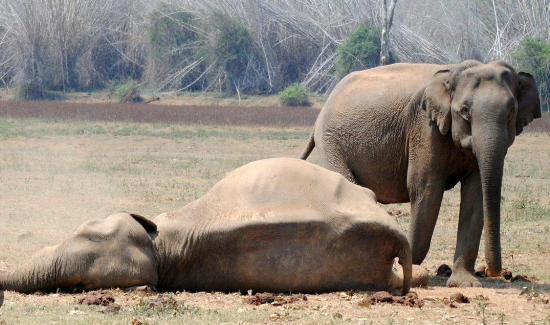
Elephants display clear signs of grief, particularly when they lose a member of their family group. They have been observed touching and caressing the bones or body of a deceased companion, showing behaviors similar to mourning rituals. This grieving process can involve staying near the body for extended periods, which highlights their deep emotional connections.
One well-documented case involved a female elephant named Emily, who mourned the death of her calf for several days. Emily consistently returned to the spot where her calf had passed, demonstrating not only emotional pain but an understanding of loss that few other species exhibit. Such observations contribute to our understanding of the emotional complexity of elephants, reinforcing the idea that they experience feelings similar to humans.
-
- Observe changes in behavior when an elephant loses a companion.
-
- Document signs of mourning, such as touching or returning to the death site.
-
- Consider how group dynamics may shift after a loss.
-
- Educate others about the signs of grief in elephants.
2. The Role of Social Bonds in Emotional Awareness
Social bonds play a crucial role in the emotional awareness of elephants. Their close-knit family structures ensure that individuals develop strong relationships, which contribute to their social cohesion. When an elephant is in distress, other herd members often rally around to provide comfort. This behavior not only illustrates empathy but also reinforces the collective emotional awareness within the group.
Research suggests that female elephants, in particular, display higher levels of emotional sensitivity. They have been observed helping injured or distressed members of their herd, offering support and even care. These nurturing behaviors are vital for maintaining group stability, and they enhance the emotional depth of the elephant’s social interactions. The communal nature of their support system exemplifies how emotional awareness can lead to action within their social groups.
-
- Recognize the importance of social connections in elephants.
-
- Study how elephants react to one another’s emotions.
-
- Encourage awareness of the role of strong bonds in emotional health.
-
- Foster environments that allow for social interactions in captivity.
3. Emotional Communication in Elephants
Elephants communicate their emotions through a range of vocalizations, body language, and tactile interactions. Their ability to emit low-frequency sounds, known as infrasound, allows them to convey emotions over long distances, which is essential in their vast habitats. These sounds carry emotional weight and can alert other elephants about feelings of distress or happiness within the group.
Body language is another critical aspect of how elephants express their emotions. For example, when an elephant is frightened, it may display a range of behaviors, including raising its trunk and flapping its ears. Conversely, a relaxed elephant will often show a softer demeanor, with its trunk hanging down and ears at rest. Being attuned to these signals enhances our understanding of their emotional states and how they interact with each other and their environment.
-
- Pay attention to vocalizations as emotional indicators.
-
- Learn to recognize body language signals in elephants.
-
- Observe how elephants respond to different emotional cues from their herd.
-
- Share findings with conservationists and wildlife educators to raise awareness.
4. The Impact of Environmental Stressors on Emotional Well-being
Environmental stressors can significantly impact the emotional well-being of elephants. Habitat loss, poaching, and human-wildlife conflict are just a few issues that elephants face in the wild. These pressures can lead to increased stress and behavioral changes that may mimic depression, indicating that elephants have a profound relationship with their environment.
For example, elephants in heavily populated areas may exhibit signs of anxiety, such as poor foraging habits or increased aggression. Understanding these stressors allows conservationists to develop targeted strategies to protect elephants, ensuring they remain in less disturbed habitats where they can thrive emotionally and socially. Conservation efforts should prioritize the preservation of natural environments to foster emotional well-being for elephants.
-
- Assess the impact of habitat loss on emotional health in elephant populations.
-
- Implement strategies to reduce human-wildlife conflict.
-
- Provide alternatives for food sources to alleviate stress.
-
- Encourage sustainable practices in local communities to protect elephant habitats.
5. The Significance of Protecting Elephant Emotional Health
Protecting the emotional health of elephants is crucial for the overall health of ecosystems. Elephants play a key role in maintaining biodiversity; their behaviors, such as foraging, help shape the environment in which they live. When elephants are emotionally stressed, their behaviors can become erratic, leading to negative impacts on their surroundings.
Moreover, understanding and respecting the emotional lives of elephants fosters greater empathy in humans. By realizing that elephants experience grief, joy, and social connection, we can take action to ensure their well-being. This can lead to more effective conservation efforts and a deeper connection between humans and wildlife.
-
- Advocate for policies that protect elephant habitats.
-
- Engage in community outreach to raise awareness about elephant welfare.
-
- Support wildlife organizations that focus on emotional well-being in animals.
-
- Participate in conservation programs that promote habitat protection.
In conclusion, the emotional awareness and grief exhibited by elephants underline the need for deeper empathy toward all living beings. By supporting research, conservation efforts, and education surrounding elephants’ emotional lives, we can contribute to their well-being and the health of our planet. Consider taking action today to help protect these magnificent creatures and their environments.