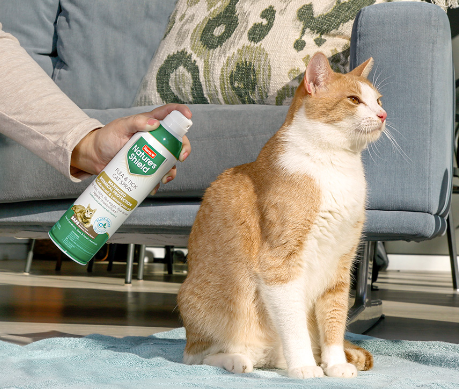
Flea Treatment for Cats: Keeping Your Feline Friends Happy and Healthy
Fleas can be a real nuisance for our beloved feline companions. Not only do these tiny pests cause discomfort and itching, but they can also lead to more severe health issues if left untreated. Understanding effective flea treatments is essential for cat owners who want to keep their pets happy and free from these pesky invaders.
Understanding Fleas and Their Impact
Fleas are small, wingless insects that thrive on the blood of mammals, including cats. They don’t just cause itching; fleas can lead to allergic reactions, skin infections, and even anemia in severe cases. Cats may also experience stress and anxiety as they deal with the discomfort of being bitten. Moreover, fleas can quickly multiply, leading to a larger infestation in your home. Regular treatments are essential to keep your cat safe and comfortable.
Choosing the Right Flea Treatment
There are various flea treatments available for cats, and choosing the right one can depend on your cat’s age, weight, and overall health. Some common options include topical treatments, oral medications, and flea collars. Topical treatments are applied directly to the skin and usually provide immediate relief. Oral medications, on the other hand, are ingested and can be very effective but may take a bit longer to kick in. Flea collars are also available, offering long-lasting protection. Always consult your veterinarian before starting any treatment to ensure it’s suitable for your cat’s individual needs.
Preventing Future Infestations
Once you’ve tackled the current flea problem, prevention is key to keeping your cat flea-free. Regularly vacuum your home, especially in areas where your cat spends a lot of time, to eliminate flea eggs and larvae. Washing your cat’s bedding and toys in hot water can also help eliminate potential flea hiding spots. Additionally, consider using a monthly preventive treatment, which can provide ongoing protection from fleas and other parasites. Regular grooming and inspections can assist in catching any new infestations early.
In conclusion, keeping your cat free from fleas requires a combination of effective treatments and preventive measures. By staying informed and proactive, you can help ensure your feline friend remains happy and healthy. If you have questions or concerns about flea treatment, don’t hesitate to reach out to your veterinarian for personalized advice!