Elephants are not just magnificent creatures; they are also vital to their ecosystems. As their populations face increasing threats from habitat loss and poaching, GPS tracking and monitoring of elephant movement have become essential tools for conservation efforts.
By employing advanced technologies, conservationists are gaining invaluable insights into elephant behavior and migration patterns. This blog post will explore the impact, techniques, and benefits of tracking these majestic animals.
1. Understanding GPS Technology in Elephant Tracking
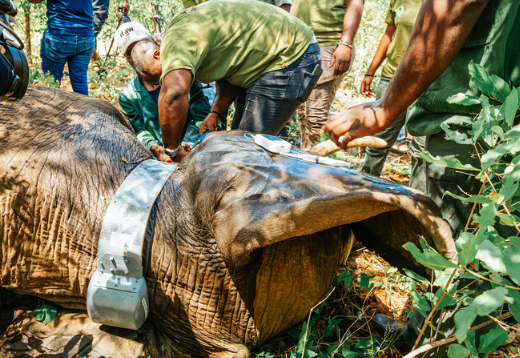
GPS, or Global Positioning System, utilizes satellites to determine the precise location of a device on Earth. In the context of elephant tracking, conservationists fit elephants with GPS collars or harnesses that provide real-time data on their movements. These collars contain a variety of sensors that record data on speed, direction, and even the elephant’s temperature, allowing researchers to build a comprehensive picture of each animal’s behaviors and habits.
The data collected can be analyzed to identify travel routes, foraging areas, and social structures within herds. For instance, by tracking migration patterns, researchers can pinpoint crucial habitats that need protection, ensuring these elephants have the necessary space and resources for survival. Additionally, GPS technology can help in understanding how human encroachment affects elephant movements, providing essential insights for mitigating human-wildlife conflict.
-
- Understand the various types of GPS collars and their functionalities.
-
- Regularly check the data collected to identify trends over time.
-
- Collaborate with local communities to gather more information.
-
- Secure necessary permits and adhere to ethical guidelines.
-
- Incorporate GIS (Geographic Information Systems) for better data visualization.
2. The Benefits of Tracking Elephant Movements
Tracking elephant movements offers numerous benefits that extend beyond mere observation. One significant advantage is the ability to reduce human-elephant conflict, a severe issue in many regions. By knowing when and where elephants are likely to travel, farmers and communities can take proactive measures to protect their crops and property. For example, if a herd is tracked approaching a particular area, alerts can be sent out to local residents, enabling them to implement deterrence strategies.
Moreover, monitoring movement patterns can help conservationists reveal issues related to habitat degradation and fragmentation. For instance, if GPS data shows a decline in the elephants’ range, researchers can investigate the causes — whether it’s due to agricultural expansion, poaching, or climate change. This helps inform targeted conservation actions that can preserve critical habitats. Furthermore, public awareness is generated through this research, encouraging community engagement in conservation initiatives.
-
- Educate local communities about the importance of preserving elephant habitats.
-
- Utilize GPS data to inform wildlife management policies.
-
- Develop community-based programs to coexist with elephants.
-
- Secure funding for conservation strategies based on reliable data.
-
- Promote collaborative research efforts to strengthen data integrity.
3. Challenges and Limitations of GPS Tracking
While GPS tracking has revolutionized wildlife research, it is not without challenges. One primary concern is the cost associated with high-quality GPS collars, which can be prohibitively expensive, especially for non-profit organizations. Additionally, harnesses must be designed carefully to prevent injury to the elephants, which requires constant monitoring and adjustment. Ineffective collars or hardware issues can lead to inaccurate data, making it difficult for researchers to draw reliable conclusions.
Another challenge is the environmental factors that can affect GPS data accuracy. Dense foliage or mountainous regions may obstruct satellite signals, leading to gaps in tracking. Weather conditions can also play a role, particularly in areas prone to heavy rainfall or storms. As a response, researchers often implement complementary tracking methods, such as radio telemetry, to ensure accurate monitoring despite these challenges.
-
- Incorporate multiple tracking methods for redundancy.
-
- Regularly assess and maintain collars to ensure their effectiveness.
-
- Plan GPS installs during favorable weather conditions.
-
- Conduct thorough budgeting and seek donations or grants.
-
- Educate and train personnel involved in monitoring tasks.
In conclusion, GPS tracking and monitoring of elephant movement is a powerful tool in conservation efforts. By understanding the challenges and benefits, conservationists can enhance their strategies to protect these majestic creatures. Taking the next step in wildlife preservation is vital for the survival of elephants and the ecosystems they support.