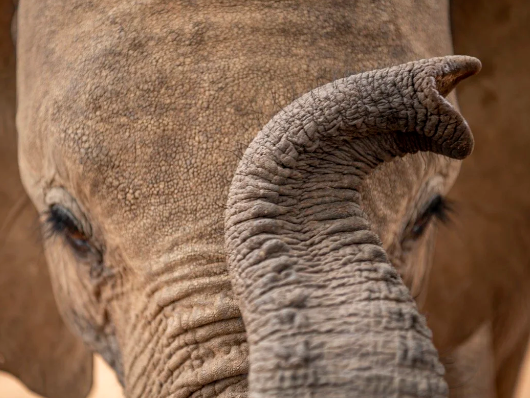
Elephants are fascinating creatures with unique adaptations that help them thrive in their environments. One of the standout features of these majestic animals is their skin, which plays a crucial role in protecting them against the sun and insects. Understanding how elephant skin accomplishes this can offer valuable insights into their survival strategies.
1. The Structure of Elephant Skin
The skin of an elephant is thick, and can measure up to an inch in some areas. This thickness forms a barrier that protects against harmful UV rays from the sun. In addition to its thickness, elephant skin has a naturally rough texture which reduces the surface area exposed to direct sunlight. This means that even in the hottest climates, elephants can maintain an optimal body temperature and protect their internal organs from overheating.
Another important aspect of elephant skin is its capability to retain moisture. Elephants often take mud baths to coat their skin, which not only cools them down but also creates a protective layer from the sun and potential insect bites. The combination of thickness, texture, and moisture retention makes their skin an effective shield against environmental stresses.
-
- Keep your skin moisturized to prevent dryness.
-
- Use natural materials like mud or clay as a protective barrier.
-
- Limit sun exposure during peak hours.
-
- Consider breathable clothing for sun protection.
2. Protecting Against Insects
Elephants face numerous insect threats, from biting flies to mosquitoes. The unique texture of their skin, combined with the protective mud layers they apply, acts as a natural deterrent against these pests. The roughness of the skin interferes with an insect’s ability to land effectively, while the mud can suffocate or repel them. Elephants are also known to congregate in herds, which offers collective protection against flying insects.
Additionally, elephants produce oils that can act as a natural insect repellent. These oils help to keep pests at bay while providing a moisture barrier that further enhances the skin’s defensive capabilities. Interestingly, elephants also use certain plants, rich in compounds that deter insects, to rub against their bodies for added protection.
-
- Apply natural oils that repel insects when outdoors.
-
- Use mud or clay to enhance skin protection.
-
- Wear loose-fitting clothing to minimize bites.
-
- Stay in groups to reduce the risk of insect bites.
3. Adaptations Related to Climate
Elephants live in diverse environments ranging from savannas to tropical forests. Each habitat comes with its own set of challenges, particularly concerning heat and insect populations. The elephants’ skin has adapted to different climates, enabling them to function efficiently regardless of temperature. For instance, in hot and dry regions, elephants may use their large ears to disperse heat while their thick skin provides excellent insulation against the harsh sun.
Moreover, in humid climates, elephants will often seek water bodies to regulate their body temperature much like their skin regulates moisture. They are frequently seen spraying water and mud onto their bodies, which serves to protect their skin while also helping to cool them down. This behavior illustrates the dynamic relationship between their skin and surrounding environmental factors.
-
- Adapt clothing based on climate: breathable for heat, protective for colder temperatures.
-
- Stay hydrated to support skin elasticity and function.
-
- Engage in cooling activities like swimming or using a misting system.
-
- Observe local insect activity patterns and adjust plans accordingly.
4. The Importance of Social Behavior
Social behavior among elephants also plays a significant role in skin protection. Elephants have intricate social structures, and they communicate with each other to warn about insect swarms or adverse weather conditions. During times of increased insect activity, elephants can often be seen gathering to create a larger dynamic structure, which provides collective shelter from pests.
Siblings and younger elephants learn from older members about the best mud wallows or water holes to enhance their skin protection. This social learning contributes to a higher survival rate in challenging environments, showcasing how their skin defense is not solely a biological feature but also a social necessity.
-
- Engage with a community for shared knowledge on protective measures.
-
- Learn about local flora that can serve as natural insect repellents.
-
- Participate in group activities to enhance safety from threats.
-
- Share protective strategies and tips with friends and family.
Understanding how elephant skin protects against sun and insects not only highlights the remarkable adaptations of these animals but also presents valuable lessons for our own skin care and environmental awareness. Whether you’re an avid outdoor enthusiast or simply curious about nature, this knowledge encourages a greater appreciation for wildlife and the intricacies of adaptation. Maybe you would like to explore some elephant sculptures.