Elephants are known for their intelligence, emotional depth, and strong social bonds. Their fascinating reactions to the bones and remains of deceased elephants offer insights into their complex behaviors and emotional lives. Understanding these interactions provides a glimpse into the rich tapestry of elephant culture.
1. Emotional Responses to Remains
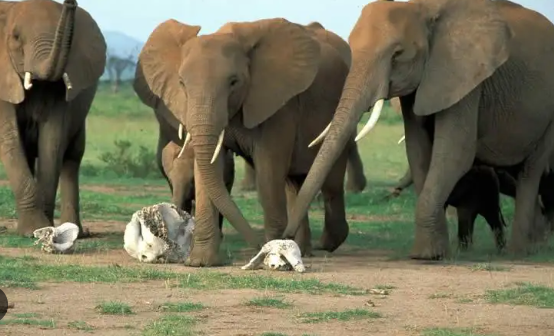
When elephants encounter the bones of deceased elephants, their reactions can range from solemnity to curiosity. Some researchers have observed elephants gently touching the bones with their trunks. This behavior may signify mourning or an acknowledgment of their lost kin, illustrating the profound emotional lives these animals possess. Such encounters are especially pronounced when the remains belong to a family member or a long-term companion.
Researchers have documented instances where elephants will return to the site of a deceased elephant multiple times, often appearing to grieve. Their behaviors may include touching, sniffing, and even standing quietly near the remains for extended periods. This behavior suggests that elephants have a strong sense of family and emotional connections, which form a key part of their social structure.
-
- Observe the elephant’s body language when near bones.
-
- Note any behaviors indicating mourning, such as standing still or vocalizing softly.
-
- Consider the social dynamics of the group when interpreting their reactions.
-
- Watch for repeated visits to the same location over time.
2. Memory and Recognition
Elephants are remarkable for their exceptional memories, which play a vital role in their social interactions. When they encounter the remains of another elephant, they may show signs of recognizing the bones of their relatives or companions, reflecting their strong memory capabilities. For example, elephants have been known to revisit the location where a family member died, revealing their ability to remember not only locations but also relationships.
The act of touching remains can also indicate recognition. Elephants can learn about the lives and deaths of other elephants through vocalizations and communal grooming, which solidifies their memories. This memory-centric behavior is crucial for their survival, as it affects their social structures and helps them navigate their vast landscapes.
-
- Engage in activities to improve your memory, akin to how elephants recall social connections.
-
- Encourage discussions about family history to strengthen emotional ties.
-
- Observe multiple elephant interactions to deepen understanding of their complex memories.
-
- Consider how lost loved ones might influence social dynamics in your life.
3. Social Learning and Cultural Practices
The behaviors elephants display when encountering bones also reflect a form of social learning and cultural practices. Young elephants learn from older members of their herd how to react when they find remains. This passing down of knowledge highlights the importance of mentorship in an elephant society, shaping their future behavior and social norms.
Different elephant herds may exhibit varying reactions to remains based on the learning of their elders. For instance, some herds might demonstrate grieving rituals, while others may focus on curiosity and exploration. This variability indicates the development of cultural nuances among elephant populations, revealing the richness of their social systems.
-
- Observe how younger elephants behave around remains, noting what they learn from adults.
-
- Encourage mentorship roles within your community to strengthen social learning.
-
- Share personal experiences of loss and memory with younger generations.
-
- Discuss cultural traditions in your family that involve remembrance.
4. Conservation Implications
The reactions that elephants exhibit to the bones and remains of their kind inform conservation efforts. Understanding their emotional complexity can bolster advocacy for their protection. If elephants display mournful behavior, acknowledging their emotional depth can promote empathy and support for conservation initiatives. Societies that recognize these bonds will prioritize safeguarding their habitats and preventing poaching.
Additionally, studying these behaviors can aid in creating better conservation policies that take social structures into account. Knowing that elephants form strong matriarchal groups highlights the necessity of preserving entire herds rather than individual animals, enhancing species survival rates. Conservational projects can also directly address the impacts of habitat loss on elephant social structures.
-
- Support organizations that emphasize emotional and social aspects of elephant conservation.
-
- Participate in community activities that raise awareness about elephant welfare.
-
- Encourage local and global campaigns against poaching.
-
- Learn about the elephants’ habitats and consider responsible tourism practices.