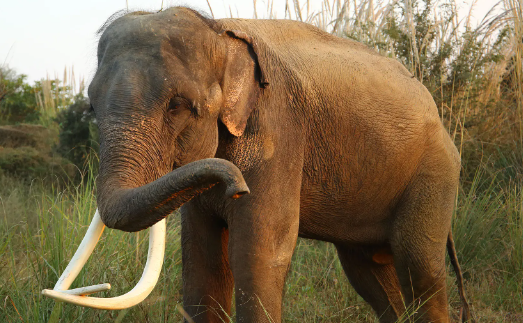
Musth is a fascinating and significant phenomenon in the lives of male elephants, affecting their behavior, aggression, and movement patterns. Understanding musth can shed light on how these majestic creatures interact with their environment and each other. In this post, we will explore the impact of musth on aggression and movement in elephants.
1. What is Musth?
Musth is a period of heightened reproductive hormones in male elephants, primarily characterized by an increase in testosterone levels. This phase can last from a few days to several months, and it typically occurs in males aged around 10 years and older. During musth, elephants exhibit specific physical changes, such as secretion from the temporal gland, a distinctive behavior that signals their heightened hormonal state to other elephants.
The effects of musth can be dramatic, transforming a usually calm and sociable male into one that may display aggressive behaviors. For instance, an elephant in musth may engage in fights with other males or show increased territorial aggression, as they are vying for the attention of females. These behaviors are essential for their reproductive success, as they create formidable competitors in the wild.
-
- Learn to recognize the physical signs of musth, such as glandular secretions.
-
- Understand the typical duration and frequency of musth phases in local species.
-
- Observe male behavior to identify signs of aggression during this period.
-
- Keep notes on changes in social interactions among elephants.
2. Aggression During Musth
The aggression displayed during musth is largely influenced by the surge in testosterone. This hormone affects the elephant’s instinct to establish dominance over other males and attract females. Those in musth are more likely to engage in physical confrontations, often leading to injuries or fatalities. For example, male elephants might use their tusks to engage in combat, asserting their strength within the social hierarchy.
Moreover, aggression during musth is not only limited to interactions with other males. It can also manifest toward humans and other wildlife, especially if the elephant feels threatened. In some national parks, rangers have noted that male elephants in musth may charge at vehicles or display defensive behaviors to protect their mating rights and territory. Understanding this aspect of musth is crucial for maintaining safe distances and applying the right wildlife management strategies.
-
- Maintain a safe distance from elephants exhibiting signs of musth.
-
- Educate others about musth and its effects to promote safety.
-
- Keep wildlife observation strictly non-intrusive.
-
- Report aggressive behavior to local wildlife authorities.
3. Movement Patterns in Musth
During musth, the movement patterns of male elephants often change significantly. These males tend to roam larger distances as they seek out females in estrus. This increased movement is not just an energetic quest but also a strategic approach to ensure successful breeding opportunities. Generally, males may travel over longer distances than usual to maximize their chances of mating.
Consequently, this wandering behavior may also disrupt local ecosystems as musth males can disturb water sources and feeding grounds, which may lead to conflict with local communities. Researchers have observed that these traveling bulls may even cross into human settlements, which brings forth challenges for both the elephants and the people who live nearby. Awareness of these patterns helps in managing human-elephant conflicts effectively.
-
- Track the movement patterns of elephants to anticipate potential conflicts.
-
- Monitor known musth ranges and implement buffer zones.
-
- Use tracking technologies for real-time movement data.
-
- Educate local communities about safe elephant encounters.
Musth is a natural part of a male elephant’s life cycle, and understanding its implications for aggression and movement can make a significant difference in how we interact with these magnificent creatures. Whether you’re a wildlife enthusiast, a researcher, or a local community member, recognizing the signs and effects of musth can enhance safety and inspire conservation efforts.
As you learn more about musth and its effects on elephant behavior, consider consulting with wildlife professionals to deepen your understanding. Tracking these behaviors can also contribute to better wildlife management and conservation strategies. Let’s work together to protect these incredible animals and their habitats.