Tracking elephant herds long-term is vital for conservation efforts and understanding their behavior in the wild. Researchers employ various innovative methods to gather data that can help in the protection of these majestic creatures. Here are some of the main techniques used in this essential work.
1. GPS Collaring
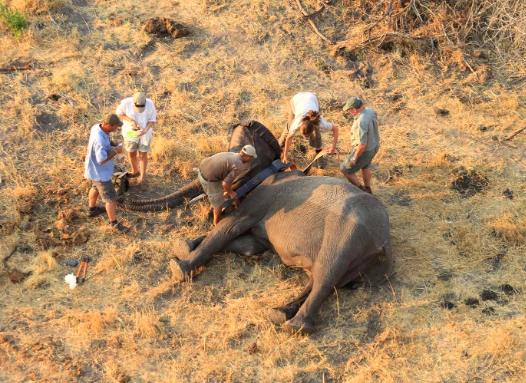
One of the most effective methods researchers use to track elephant herds is GPS collaring. By fitting individual elephants with GPS collars, researchers can monitor their movements across large landscapes. This technology allows for real-time data collection, helping scientists understand migration patterns, habitat preferences, and social interactions among different herds.
These collars transmit data at scheduled intervals, which can then be analyzed to create detailed maps of the elephants’ movements. For example, a research team in Kenya utilized GPS collars to discover that elephants travel longer distances during certain seasons in search of food and water. Such insights are crucial for planning conservation strategies and habitat preservation.
-
- Ensure collars are lightweight to minimize stress on the elephants.
-
- Regularly check battery life and functionality of the collars.
-
- Collaborate with local communities to report any collar malfunction.
-
- Use advanced software for data analysis.
2. Aerial Surveys
Aerial surveys are another crucial tool for tracking elephant populations over time. Researchers often employ helicopters or drones equipped with high-resolution cameras to conduct these surveys. This method allows them to cover vast areas quickly and spot elephant herds from above, giving a broader view of the population dynamics in specific regions.
During aerial surveys, scientists can also gather valuable information regarding herd sizes, age distributions, and even health conditions. For instance, in Botswana, aerial surveys have helped identify population trends, revealing both increases and declines that correlate with environmental changes. By integrating these surveys with ground data, researchers can create a comprehensive picture of elephant health and conservation needs.
-
- Plan surveys during different seasons to capture behavioral changes.
-
- Train pilots on wildlife spotting techniques.
-
- Coordinate with local conservation organizations for data sharing.
-
- Use drones to gather high-resolution imagery where traditional aircraft cannot go.
3. Behavioral Observation
In addition to technological methods, researchers spend significant time observing elephant behavior in their natural habitats. By taking detailed notes on social interactions, feeding habits, and herd dynamics, they can gain a deeper understanding of the complex social structures within elephant herds. This qualitative data complements quantitative data collected through tools like GPS collars and aerial surveys.
For instance, long-term studies in places like Thailand have shown how matriarchs lead herds and make crucial decisions. Understanding these social structures helps in predicting how herds will respond to environmental pressures or threats, such as poaching. Behavioral observation can also assist in developing targeted conservation strategies, ensuring that the most crucial aspects of their social life are preserved.
-
- Use standardized observation protocols for consistency.
-
- Document behaviors using video logs for further analysis.
-
- Engage local guides to enrich observations with traditional knowledge.
-
- Create detailed behavior maps to inform conservation efforts.
4. Genetic Analysis
Genetic analysis has become an increasingly important tool in tracking and studying elephant herds. By collecting samples such as dung or hair, researchers can obtain genetic information that helps identify individual elephants and understand their familial relationships within herds. This genetic data is essential for managing populations and maintaining genetic diversity.
For example, researchers in South Africa have used genetic analysis to establish connectivity between populations that appear isolated. By recognizing these connections, conservation programs can design corridors that allow elephants to move freely, ensuring gene flow and reducing inbreeding. Moreover, this information aids in targeted anti-poaching efforts based on genetic markers.
-
- Partner with genetics labs for sample analysis.
-
- Implement non-invasive sampling methods wherever possible.
-
- Continually update genetic databases to include new data.
-
- Educate local governments about the importance of genetic diversity.
5. Community Engagement
Engaging local communities in elephant tracking efforts is essential for successful long-term research. Communities living near elephant habitats often possess invaluable knowledge and can provide insights into elephant behavior and movements that may not be captured through scientific methods. Establishing partnerships with these communities fosters trust and promotes conservation initiatives.
For instance, in regions of India, researchers have involved local village members in monitoring elephant herds. This not only aids in data collection but also helps the community understand the importance of preserving these animals. Such collaborations encourage sustainable practices and reduce human-elephant conflicts, benefiting both parties.
-
- Organize workshops to educate local communities about elephants.
-
- Involve community members in data collection and monitoring.
-
- Develop incentive programs for communities to participate in conservation.
-
- Facilitate open discussions to address concerns about elephants’ impacts.
In conclusion, long-term tracking of elephant herds is a multifaceted endeavor requiring a combination of technology, observation, and community involvement. By continuing to invest in these strategies, we can better understand and protect these magnificent creatures for future generations. If you’re passionate about wildlife conservation, consider supporting local initiatives or even participating in citizen science projects focused on tracking wildlife.