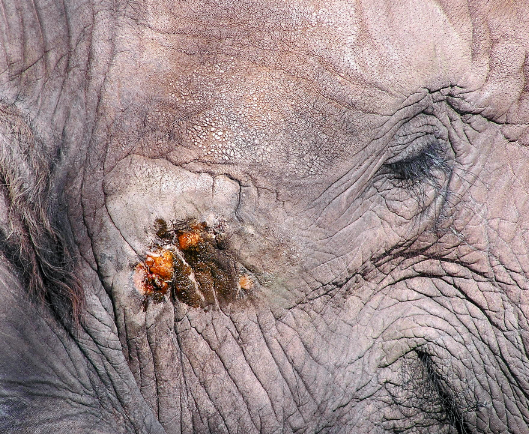
Male elephant musth behavior is a fascinating and complex phenomenon, largely driven by hormonal changes. This period not only influences their physical state but also impacts their social interactions, mating behaviors, and general well-being. Understanding musth can play a crucial role in the conservation and management of these magnificent creatures.
1. Understanding Musth: The Hormonal Surge
Musth is a physiological state characterized by elevated testosterone levels in male elephants, which can last from a few days to several months. This hormonal surge leads to various physical changes, including an increase in size, aggressive behavior, and the secretion of a thick, tar-like substance from the glands near their eyes. During this time, male elephants are more inclined to interact with other bulls, asserting dominance to attract females and ward off rivals.
The testosterone increase not only enhances reproductive capacity but also significantly alters behavior. Bull elephants in musth often are more territorial, exhibiting increased aggression as they establish their dominance. Such changes can lead to intense confrontations between males, making it vital for observers to be cautious when encountering a male elephant during this time.
-
- Observe from a safe distance to avoid aggression.
-
- Understand the signs of musth—look for swollen temporal glands and increased activity.
-
- Study social dynamics during musth to better understand elephant behavior.
-
- Engage with local conservation groups to learn more about elephant habitats.
2. Social Dynamics During Musth
The social structure within elephant herds can be influenced significantly by musth. During this period, dominant males often assert their positions aggressively, establishing hierarchy through displays of strength and intimidation. Furthermore, other males may seek to avoid confrontation by staying clear of those in musth, leading to a temporary shift in social interactions within the group.
Females, on the other hand, are drawn to males in musth, as this state signifies increased reproductive capability. This attraction can result in increased mating opportunities. However, the competitive atmosphere can also lead to heightened aggression, resulting in fights that can cause injuries among bulls. Thus, understanding these dynamics is crucial for conservation efforts and for anyone who wishes to appreciate elephant behavior in its complexity.
-
- Learn about herd dynamics and how musth affects social structure.
-
- Observe interactions and note aggressive behaviors for insights into social hierarchies.
-
- Engage in community programs that educate about elephant conservation.
-
- Document observations in a journal to track behavioral patterns.
3. The Impact of Musth on Conservation Efforts
Understanding musth is essential for elephant conservation strategies. Conservationists need to take the behavioral changes associated with musth into account when assessing population dynamics, particularly in regions where human-wildlife conflict is prevalent. The aggressive tendencies of musth bulls can sometimes lead to increased conflicts with humans, necessitating better management practices in shared landscapes.
Additionally, education about the behavior and its implications for both elephants and local communities can help mitigate conflict. By raising awareness about the challenges that come with musth, educational programs can empower local residents to coexist more peacefully with elephants. This is crucial in areas where elephants roam close to human settlements, as understanding their seasonal behaviors can lead to less fear and more informed community responses.
-
- Participate in community workshops focused on elephant behavior and conservation.
-
- Advocate for sustainable practices in environments shared with elephants.
-
- Support organizations that provide education on human-elephant coexistence.
-
- Promote awareness campaigns that explain the role of musth in elephant life.
Male elephant musth behavior is a captivating aspect of their biology that underscores the need for respect and understanding of these majestic animals. By fostering deeper knowledge and engagement in conservation efforts, we can help ensure a safe and sustainable future for elephants and their ecosystems. If you’re interested, consider researching more about local elephant populations or volunteering with wildlife organizations to contribute positively to their conservation efforts.