Elephants are among the most intelligent and socially complex creatures on our planet. Their ability to communicate effectively through trunk touch and body language is fascinating and plays a crucial role in their interactions within herds and with their environment. Much like elephant decor can symbolize wisdom, connection, and gentle strength in human spaces, real elephants express these qualities through subtle gestures, physical touch, and deeply bonded social behavior.
1. The Role of the Trunk in Elephant Communication
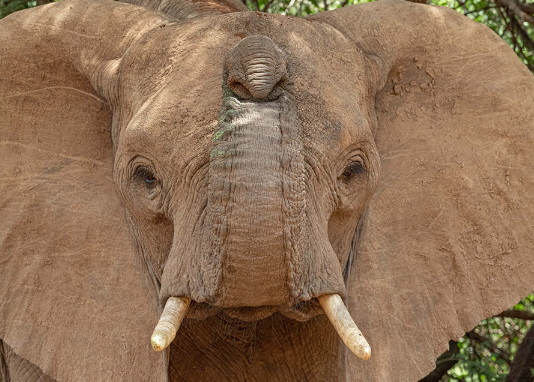
The trunk of an elephant is not just a versatile tool for feeding and drinking; it also serves as a primary means of communication. Elephants use their trunks to convey emotions and intentions to one another, which can be observed through various actions such as entwining or touching. For example, when two elephants greet each other, they often perform a gentle trunk intertwining, which signifies affection and mutual recognition.
The trunk can also express subtle variations in mood. A relaxed trunk hanging down might indicate contentment, while a raised trunk could convey excitement or alertness to danger. The tactile sensitivity of the trunk allows elephants to perceive the feelings of their companions, showcasing their ability to respond sensitively to one another’s emotional states.
-
- Observe trunk movements to understand emotional states.
-
- Learn about common trunk gestures and their meanings.
-
- Keep a journal of observed trunk interactions in elephants.
-
- Consider visiting a wildlife sanctuary to see these behaviors firsthand.
2. Understanding Body Language Among Elephants
Body language is another integral facet of elephant communication. Elephants communicate through posture, movement, and physical displays that can signal everything from aggression to playfulness. For instance, an elephant standing tall with ears flared might be asserting dominance, while a relaxed, swaying body indicates a friendly, playful mood among peers.
-
- Study the body postures of elephants in different scenarios.
-
- Document interactions to identify patterns in behavior.
-
- Engage in conversations about animal welfare and communication.
-
- Attend lectures or workshops on animal behavior to deepen understanding.
3. The Importance of Communication in Elephant Herd Dynamics
Communication through trunk touch and body language is vital for maintaining the social structure and cohesion of elephant herds. Elephants often rely on various forms of communication to coordinate movements, alert each other of dangers, or comfort distressed group members. Such interactions help to build trust and cooperation within the herd, illustrating the complexities of their social lives.
The social bonds formed through these communication forms influence the wellbeing of the herd members. For example, when a mother comforts her calf by gently wrapping her trunk around it, she reinforces the emotional security essential for the calf’s development. These interactions are not only beneficial for immediate comfort but also for the long-term health of their relationships.
-
- Monitor herd interactions to understand group dynamics.
-
- Identify key relationships and how they are maintained through communication.
-
- Observe how elephants cope with stress as a herd.
-
- Encourage conversations about the importance of social structure in wildlife.
4. Enhancing Observation and Conservation Efforts
Understanding elephant communication through trunk touch and body language can significantly influence conservation efforts. By recognizing the importance of their social interactions, biologists and conservationists can better tailor their strategies to protect these majestic animals in their natural habitats. For example, knowing that elephants rely heavily on social bonds can motivate conservationists to focus on preserving expansive territories where herds can thrive.
Engagement with local communities is also essential in conservation. By sharing knowledge about how elephants communicate and their social needs, communities can be encouraged to coexist peacefully with these animals, reducing conflicts. Education efforts can help foster respect and admiration for elephants, highlighting the importance of their communication habits within their ecosystems.
-
- Research current conservation efforts focused on elephant communication.
-
- Engage with local communities to create awareness programs.
-
- Promote eco-tourism that allows responsible observation of elephants.
-
- Support organizations dedicated to elephant conservation and education.
In conclusion, the communication methods of elephants, particularly through trunk touch and body language, reveal the intricacies of their emotional lives and social structures. As you explore this topic further, consider how you can contribute to elephant conservation efforts and support their wellbeing in the wild. Every bit of knowledge helps in the quest to protect these incredible animals for future generations.