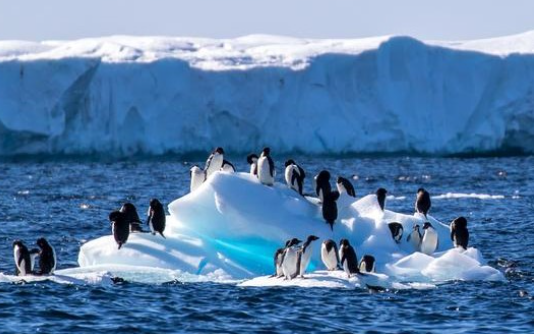
Penguins are iconic symbols of the Antarctic, celebrated for their unique adaptations to cold environments. However, as sea ice continues to melt due to climate change, these remarkable birds face dire consequences that threaten their survival.
Understanding the challenges penguins face because of melting sea ice is critical for conservation efforts. This blog will explore the impacts of climate change on penguins and what can be done to support their habitats.
1. The Importance of Sea Ice to Penguin Life
Sea ice serves as a crucial habitat for various penguin species. It provides breeding grounds, protection from predators, and a platform for hunting. For instance, the Emperor Penguin relies on stable sea ice to lay their eggs and rear their chicks, making the presence of ice vital for their reproduction.
Additionally, sea ice influences the availability of food for penguins. Krill and fish, which are essential to the penguin diet, are abundant in cold waters and are often found near the ice. As the ice melts, these food sources can become less accessible, leading to starvation and shifts in foraging behavior.
-
- Understand how sea ice impacts local penguin populations.
-
- Learn about different penguin species and their specific habitat requirements.
-
- Monitor changes in sea ice conditions through research databases.
-
- Support organizations that focus on penguin conservation efforts.
2. Effects of Climate Change on Penguin Populations
The melting of sea ice has far-reaching effects on penguin populations. Studies show that species like the Adélie penguin are experiencing declining numbers as their breeding sites become less stable. Without adequate ice cover, these penguins struggle to find safe nesting areas, leading to decreased reproductive success.
Moreover, the changing climate also leads to altered feeding patterns, as warmer waters push fish and krill into deeper regions, making them harder for penguins to catch. As they must travel further to find food, many penguins expend more energy and time, which impacts their health and the survival rate of their chicks.
-
- Stay informed about climate change’s impact on ocean ecosystems.
-
- Participate in local conservation efforts and activities.
-
- Advocate for policies that aim to reduce carbon emissions.
-
- Engage in beach clean-up activities to reduce pollution.
3. Conservation Efforts and What You Can Do
Conserving penguin habitats is essential for their survival. A variety of organizations are actively working to restore and protect these environments, employing research and advocacy to mitigate climate change effects. For example, the Antarctic and Southern Ocean Coalition focuses on safeguarding key penguin habitats through legislative action.
Individuals can also play a vital role in penguin conservation. Supporting eco-friendly practices, reducing plastic use, and considering sustainable seafood options can contribute to healthier ocean ecosystems. By making informed choices, we can help to ensure the longevity of the habitats penguins rely on.
-
- Donate to or volunteer with wildlife conservation organizations.
-
- Reduce your carbon footprint by using public transportation or carpooling.
-
- Educate yourself and others about penguin habitats and threats.
-
- Share information on social media to raise awareness.
In conclusion, the plight of penguins in the face of melting sea ice highlights the urgent need for both individual and collective action. By staying informed and involved, we can make a positive impact on their future and the health of our planet.