Elephants are fascinating creatures, renowned for their intelligence, complex social structures, and deep emotional bonds. At the heart of their social dynamics is the matriarch, typically the oldest female in the herd, who plays a critical role in guiding her family unit. Understanding the leadership behavior of these matriarchs offers insights into how they nurture and protect their herds amidst the challenges of the wild.
1. The Role of the Matriarch in Social Cohesion
The matriarch serves as the cornerstone of social unity within elephant herds. With her extensive experience, she understands the herd’s dynamics and the surrounding environment. When necessary, the matriarch utilizes her knowledge to resolve conflicts and maintain harmony among members, watching over both the young calves and adult females.
Moreover, she nurtures intergenerational bonds by teaching younger elephants essential skills. This includes finding water during droughts, recognizing safe migration routes, or even identifying potential threats. Such educational endeavors not only contribute to the herd’s survival but also reinforce the matriarch’s leadership role.
-
- Encourage bonding activities among group members.
-
- Foster communication through vocalizations and body language.
-
- Maintain a trauma-free environment to promote learning.
-
- Model conflict resolution strategies for younger elephants.
2. Decision-Making and Resource Management
One of the most critical functions of a matriarch is her ability to make pivotal decisions regarding resource management. When food and water sources are scarce, she assesses various options, relying on her experience to guide the herd to safer areas. This often involves negotiating complex terrains, coordinating the herd’s movements, and ensuring that all members are accounted for during these stressful times.
Her decision-making is a blend of intuition and learned knowledge, as she uses past experiences to predict the best course of action. For instance, if she has successfully led her herd through drought conditions in the past, she will likely replicate those strategies when encountering similar challenges. Her strong leadership fosters trust and confidence among her herd, ensuring collective survival.
-
- Review past successful migration routes regularly.
-
- Investigate new potential water sources collaboratively.
-
- Debrief after resource management decisions to identify areas for improvement.
-
- Involve the entire herd in scouting missions for resources.
3. Protecting the Herd from Threats
In the wild, threats can come in many forms, including predators, poachers, or human encroachment. The matriarch’s leadership during these challenging times is vital for the herd’s safety. She takes charge, quickly assessing the situation and orchestrating a defensive strategy to protect vulnerable members, especially calves. Whether it’s forming a protective circle around the young or using loud vocalizations to deter potential threats, her proactive approach is indispensable.
Additionally, the matriarch often initiates and leads the herd’s escape when faced with danger. Her experience allows her to judge when flight is necessary, and her strategic thinking helps ensure that the entire group moves cohesively. The other herd members trust her instincts, further reinforcing her respected position within the group.
-
- Establish early-warning signs for various threats.
-
- Practice group formations for optimal protection.
-
- Conduct regular safety drills to enhance readiness.
-
- Maintain strong communication to alert others of dangers.
4. The Emotional Intelligence of Matriarchs
Another fascinating aspect of matriarchs is their emotional intelligence. Elephants are known for their ability to empathize with one another, and matriarchs often lead these emotional connections. They can perceive distress signals in other herd members, helping support those in need during challenging times. This nurturing ability extends to grieving rituals when they lose a member of the herd, demonstrating profound emotional bonds.
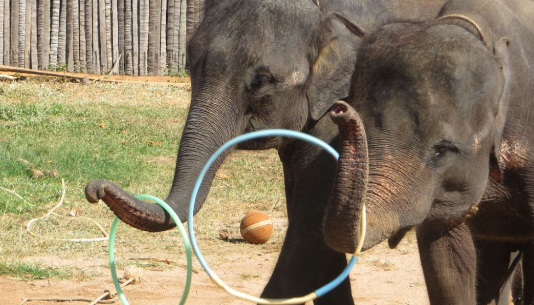
Moreover, a matriarch encourages playful interactions among herd members, which is essential for the mental health of young elephants. By promoting a balance of support and play, she fosters resilience and an environment conducive to learning and growth. This emotional leadership strengthens social ties and reinforces the overall health of the herd.
-
- Encourage nurturing behaviors among all herd members.
-
- Promote shared playtime to enhance social bonds.
-
- Recognize signs of distress and intervene when necessary.
-
- Facilitate rituals that acknowledge loss and promote recovery.
In conclusion, the leadership behaviors of elephant matriarchs are multifaceted and critical for the survival of their herds. Their ability to foster social cohesion, make strategic decisions, protect their families, and demonstrate emotional intelligence exemplifies the complex societal structures of wild elephants. Understanding these dynamics not only enriches our knowledge of these magnificent creatures but also highlights the importance of conservation efforts to protect their natural habitats.