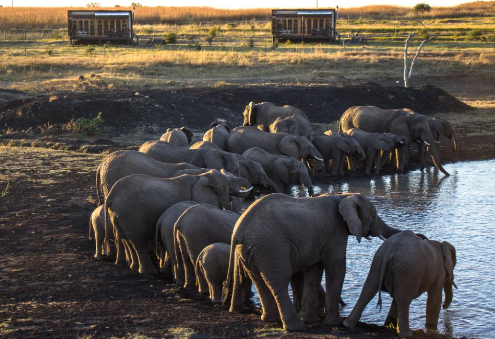
Elephants are known for their complex social structures and role dynamics, particularly during migration. At the helm of these wandering giants is the matriarch, a wise and experienced female who guides her herd through challenging terrains and changing environments.
1. The Role of the Matriarch in Decision Making
The matriarch is not just a leader by status; she is the repository of knowledge accumulated over years of experience. Her decisions are often based on past migrations, water sources, and food availability. For instance, if a herd encounters a drought, the matriarch uses her memory to navigate towards previously known watering holes. This wisdom is passed down through generations, ensuring the herd’s survival.
Moreover, the matriarch plays a crucial role in dispute resolution among herd members. Elephants are social creatures, and tensions can arise, especially during migration. The matriarch steps in to mediate conflicts, using her authority to maintain harmony within the group. Such strong leadership fosters unity, crucial for the herd’s survival during arduous journeys.
-
- Listen to the matriarch’s subtle signs; they often signal key decisions.
-
- Observe herd dynamics; conflict resolutions are vital to cohesion.
-
- Foster a supportive environment if you lead a team; effective leadership harmonizes group dynamics.
-
- Reflect on past experiences when faced with tough choices; draw lessons from history.
2. Navigating Environmental Challenges
Migrations often coincide with changing weather patterns, making the timing of movements crucial. The matriarch assesses environmental cues, like the availability of food and water sources, before deciding when to migrate. For example, during the dry season, she may lead the herd to distant areas where forage is more abundant. This foresight is vital, as improper timing can lead to starvation or dehydration.
Additionally, the matriarch identifies safe routes through potentially dangerous terrains. She relies on her experience to navigate challenges such as rivers and human-occupied lands. Her knowledge protects the herd from predators and poachers, showcasing the significance of maternal instincts in ensuring the herd’s safety.
-
- Prioritize assessing environmental conditions for informed decision-making.
-
- Faculty tactical migration routes; plan for potential obstacles.
-
- Encourage adaptability in changing circumstances; flexibility is key.
-
- Utilize technology like satellite mapping for safe travel planning.
3. Social Learning and Herd Dynamics
The matriarch also fosters social learning within the herd. She teaches younger elephants about foraging techniques, migration routes, and how to interact with other wildlife. This education is critical as it ensures that younger members develop the skills needed for independent survival. An example of this could be seen when a young elephant learns to identify edible plants by watching the matriarch select them.
The matriarch’s decision-making plays a role in the overall social structure of the herd, promoting cooperation and cohesion. For instance, she often encourages group actions like collective foraging or moving as a unit during migrations. This leads to a robust support system, creating bonds between herd members that extend beyond immediate family relations.
-
- Foster mentorship within groups; knowledge-sharing enhances collective wisdom.
-
- Promote cooperative tasks for stronger social bonds.
-
- Encourage open communication for better group dynamics.
-
- Ensure that all members feel valued, which positively impacts morale.
The decision-making role of the elephant matriarch during migration highlights the importance of leadership, environmental navigation, and social learning. Her influence extends beyond immediate survival; it shapes the very fabric of herd dynamics and longevity. By understanding these roles, we can appreciate not just the resilience of elephants but also the wisdom hidden in their complex social structures.
As you reflect on this fascinating subject, consider how leadership in your life parallels the matriarch’s role. Whether in your personal or professional sphere, remember that wise decision-making, adaptability, and mentorship can inspire and strengthen communities.