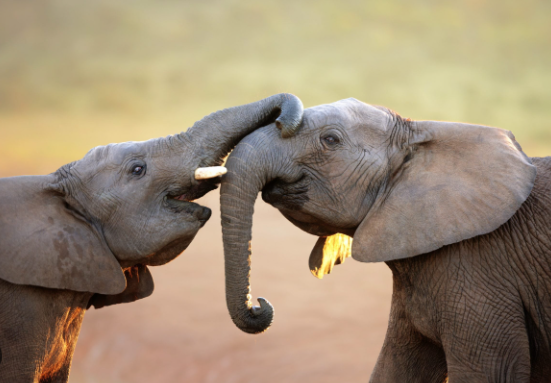
Elephants are majestic creatures, known for their intelligence, social structures, and immense size. Unfortunately, several subspecies of elephants are endangered due to habitat loss, poaching, and human-wildlife conflict. Understanding these endangered subspecies and their unique differences is crucial for conservation efforts.
1. Asian Elephant
The Asian elephant (Elephas maximus) is slightly smaller than its African counterpart, with males typically weighing between 5,000 to 11,000 pounds. This subspecies has smaller ears and a more rounded back, adaptations suitable to its habitat in the forests and grasslands of Southeast Asia. With only about 40,000 to 50,000 individuals remaining in the wild, Asian elephants face severe pressures from habitat loss and fragmentation, particularly due to agriculture and logging.
Interestingly, Asian elephants have distinct cultural significance in many Asian countries, appearing in religious and traditional ceremonies. This connection highlights the need for local communities to participate in conservation efforts, effectively bridging the gap between human activities and wildlife protection.
-
- Support local conservation programs focused on habitat preservation.
-
- Educate others about the importance of Asian elephants in the ecosystem.
-
- Advocate for legislation that protects wildlife corridors.
-
- Participate in community events that celebrate Asian elephants.
2. African Forest Elephant
The African forest elephant (Loxodonta cyclotis) is one of the smaller subspecies, typically weighing between 10,000 to 14,000 pounds. Characterized by its smaller size, straight tusks, and relatively rounder body, this subspecies dwells in the dense rainforests of Central and West Africa. Sadly, the population of African forest elephants is estimated to have declined by over 60% in the last few decades, largely due to poaching for ivory and habitat destruction.
These elephants play a vital role in maintaining the health of their forest ecosystems. They are known as “ecosystem engineers,” as they help disperse seeds and create pathways through thick vegetation, supporting biodiversity. Protecting this subspecies is pivotal not only for the elephants themselves but for the ecological integrity of their habitats.
-
- Promote anti-poaching initiatives both locally and globally.
-
- Support research on forest elephant behavior and ecology.
-
- Encourage reforestation and habitat restoration projects.
-
- Raise awareness about the threats faced by African forest elephants.
3. African Savanna Elephant
The African savanna elephant (Loxodonta africana) is the largest of all elephant subspecies, with adult males reaching up to 13,000 pounds. These elephants inhabit a variety of open habitats, from savannas to woodlands across sub-Saharan Africa. While they are distinctively larger, they are also facing critical challenges with populations declining due to poaching and human encroachment on their natural habitats.
Unlike the African forest elephant, the savanna elephant can be recognized by its larger ears that help regulate body temperature. Their social structures are complex and often defined by matriarchal herds, demonstrating strong family bonds. Protecting this subspecies would have significant implications for the wildlife tourism economy in many African countries.
-
- Visit wildlife reserves that contribute to conservation efforts.
-
- Participate in or donate to elephant protection projects.
-
- Encourage wildlife-friendly practices among local businesses.
-
- Attend educational events focused on elephant preservation.
4. Hybrid Elephants
Hybrid elephants arise when subspecies interbreed, typically due to habitat encroachment or captivity. For instance, hybridization can occur between African savanna and forest elephants. While hybrids may inherit traits from both parents, these mixed populations can face unique challenges, including decreased genetic diversity and complications in adaptation to their environments.
The rise of hybrid elephants raises concerns among conservationists since they may not receive specialized conservation attention. Protecting their ecological niche becomes complicated as hybrid individuals may not fit neatly into existing conservation frameworks targeted at pure subspecies. Addressing these complications is crucial for the survival of these elephants.
-
- Support genetic research to understand hybrid populations better.
-
- Advocate for conservation strategies that include hybrid populations.
-
- Engage with conservation groups focused on genetic diversity.
-
- Educate the public on the impact of hybridization on wildlife.
In conclusion, understanding the differences between endangered elephant subspecies is vital for effective conservation efforts. By supporting local initiatives, promoting awareness, and advocating for legislative protections, we can help ensure a brighter future for these magnificent animals. Take a moment to consider how you can contribute to their preservation today.