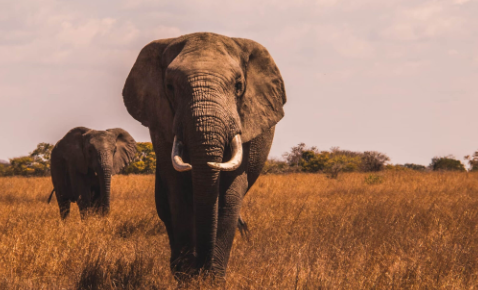
Elephants are often referred to as “ecosystem engineers” due to their significant impact on the environments they inhabit. Their behaviors and feeding habits play a critical role in influencing biodiversity and maintaining the ecological balance in various landscapes.
1. Elephants as Ecosystem Engineers
Elephants are essential in shaping their environments through their grazing and foraging activities. By pushing over trees and uprooting plants, they create open spaces that promote the growth of grasses and smaller plants. This not only encourages a diverse range of flora but also benefits other species that depend on these areas for food and habitat.
One striking example can be found in the savannas of Africa, where elephants contribute to the maintenance of grasslands. Their actions can facilitate the growth of specific plant types that can be beneficial for other herbivores. Animals such as wildebeests and zebras thrive in these open areas, while also helping to maintain a pressured balance to prevent the encroachment of bush species into grasslands.
-
- Encourage conservation programs that protect elephant habitats.
-
- Educate others about the importance of elephants in ecosystem maintenance.
-
- Support wildlife stewardship projects focused on large herbivores.
-
- Participate in community initiatives aimed at preserving biodiversity.
2. The Role of Elephants in Seed Dispersal
Another vital ecological role that elephants fulfill is their capacity for seed dispersal. Elephants consume a vast array of fruits and vegetation, and their digestive systems facilitate the dispersal of seeds across great distances. This not only aids in plant propagation but also supports the overall health of forests and grasslands.
For instance, the African baobab tree relies on elephants for seed dispersal. After ingesting the fruit, seeds pass through the elephant’s digestive system intact, ready to germinate once deposited. Over time, this process contributes to greater genetic diversity within plant populations, which is crucial for resilience against pests and environmental changes.
-
- Plant native species that attract elephants and other wildlife.
-
- Encourage wildlife corridors to ensure elephants can roam freely.
-
- Promote research on the relationship between elephants and plant species.
-
- Support policies that favor land use planning around elephant habitats.
3. Water Management and Its Importance
Elephants play a pivotal role in maintaining water sources in their habitats. Their ability to dig waterholes in dry riverbeds or at watering holes helps create reservoirs for other wildlife during drought periods. This behavior showcases their importance, especially in savanna and forest ecosystems where water is a scarce resource.
Furthermore, when elephants wallow in mud or dig for water, they inadvertently aerate the soil, fostering healthier growth of aquatic plants. This also attracts numerous other species that rely on these water sources for survival, creating a thriving ecosystem around these modified regions.
-
- Encourage sustainable water management practices in elephants’ habitats.
-
- Promote the establishment of water bodies in conservation areas.
-
- Educate the community about the importance of elephants in water distribution.
-
- Support initiatives aimed at protecting elephants from poaching.
4. Impact on Biodiversity and Habitat Structure
The activities of elephants can help increase biodiversity in their environments by preventing the dominance of any one species. Their foraging habits prevent the overgrowth of dense tree species, which can severely limit the variety of plant life and thus the animals that depend on these plants for survival.
In many cases, their presence directly correlates with increased populations of other herbivores and predators. For example, the presence of elephants in certain habitats has been associated with higher populations of diverse bird species, as these birds depend on the vegetation structure created by elephants for nesting and foraging.
-
- Promote activities that raise awareness about biodiversity conservation.
-
- Engage in local wildlife preservation initiatives.
-
- Support habitat restoration projects that consider elephants’ needs.
-
- Encourage ecotourism that emphasizes the role of elephants in ecosystems.
In conclusion, the ecological role of elephants extends far beyond their impressive size and charisma. Their contributions to landscape shaping, seed dispersal, water management, and biodiversity enrichment are vital for a thriving ecosystem. By raising awareness and supporting conservation efforts, we can help ensure that these magnificent creatures continue to thrive and uphold the balance of nature.