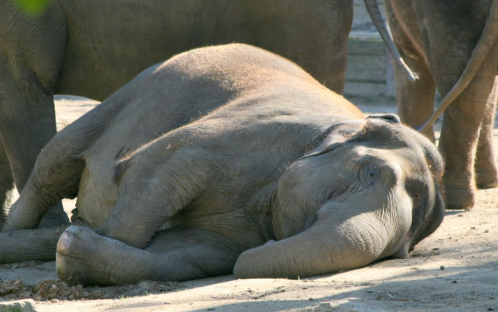
Elephants, known for their intelligence and social structures, have developed fascinating strategies for selecting safe sleeping locations. These giants are not only concerned about their comfort but also their safety from predators and environmental hazards. Understanding how they choose their resting spots offers profound insights into their behavior and survival techniques.
1. Natural Habitat and Environmental Factors
Elephants tend to inhabit diverse environments, from savannas to dense forests, each presenting unique challenges. Their choice of sleeping location often hinges on factors like temperature, available food sources, and water supply. For instance, in hotter climates, elephants may seek out shady areas near trees to keep cool during daylight, ultimately enhancing their chances of a good night’s rest.
Moreover, the terrain plays a crucial role in their decision-making. A flat, stable ground is often preferred to minimize the risk of injury while sleeping. Elephants are also conscious of their surroundings, often selecting areas where they can easily access water or food once they wake up, making their habitat a critical contributor to their sleep location.
-
- Observe local wildlife to identify safe locations.
-
- Choose flat terrain for safe sleeping.
-
- Look for shade during hot weather.
-
- Ensure access to food and water nearby.
2. Social Structures and Herd Behavior
Elephants are highly social animals, and their sleeping habits reflect this trait. When resting, they prefer to stay in groups, which provides safety in numbers. The presence of other elephants acts as a deterrent to potential predators, as the noise and movement of a herd can alert individuals to danger. Furthermore, older elephants play a vital role in guiding the herd to safer sleeping spots.
This communal behavior extends to creating a protective circle, where outward-facing adults monitor for threats while younger ones rest in the center. Such organized group dynamics not only enhance their safety but also foster bonding within the herd, making communal sleep a vital part of their social structure.
-
- Sleep in a group for safety.
-
- Engage in protective behaviors as a herd.
-
- Designate older elephants as leaders for safety guidance.
-
- Maintain constant communication within the group during rest.
3. Alertness and the Need for Rest
Despite their need for rest, elephants remain vigilant during their sleeping hours. They often sleep for shorter periods, approximately 2-4 hours, allowing them to stay alert to threats. Elephants have unique adaptations, like their ability to sleep standing up, which allows them to react quickly to any danger. When lying down, they tend to sleep in a manner that keeps them prepared for sudden movements or attacks.
This constant state of alertness is crucial for their survival, as many predators, including lions and hyenas, pose risks during the night. As a result, elephants must balance their need for rest with the necessity of being aware of their surroundings, leading them to select sleeping spots that offer both comfort and visibility.
-
- Be aware of surroundings while sleeping.
-
- Rest in locations with clear sightlines.
-
- Alternate between standing and lying down to remain alert.
-
- Limit sleep to shorter intervals for better vigilance.
In conclusion, elephants are magnificent creatures that have developed complex strategies for selecting safe sleeping locations. Their choices reflect a harmonious balance between social needs, environmental factors, and natural instincts. Understanding these behaviors can deepen our appreciation for their majestic lives and highlight the importance of protecting their habitats.