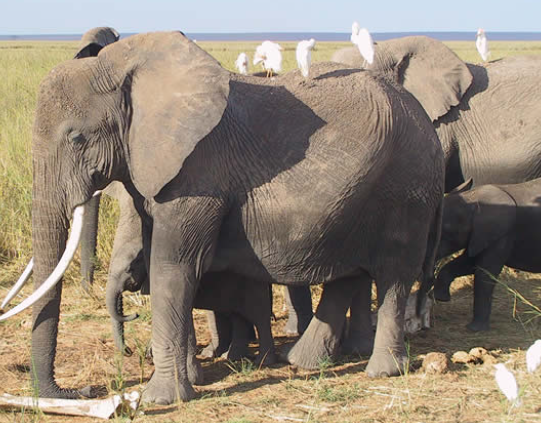
Elephants are renowned for their intelligence and sensitivity to their environment. When confronted with unfamiliar objects, they exhibit fascinating behaviors that reveal their ability to analyze and adapt. Understanding these responses not only enriches our knowledge of these majestic creatures but also informs conservation efforts in their natural habitats.
1. Curiosity and Exploration
One of the most striking responses elephants display upon encountering unfamiliar objects is their intense curiosity. They often approach new items cautiously, using their trunks to poke, prod, and investigate. This exploratory behavior is crucial for their survival, as it helps them discern whether an object poses a threat or could be of interest, such as potential food or tools for manipulation.
For instance, researchers have documented instances where elephants encountered plastic bags or human items in their environment. Initially, they may show signs of hesitation, but after a thorough investigation, they often exhibit clever problem-solving skills. Some elephants have even learned to use sticks to knock down fruits or reach items that are otherwise inaccessible, showcasing not just curiosity but also innovation.
-
- Encourage exploration by presenting new non-threatening objects in a safe environment.
-
- Observe the initial reactions to determine levels of curiosity and caution.
-
- Provide a variety of textures and types of materials for elephants to familiarize themselves with.
-
- Document any particular behaviors or methods they use to investigate unfamiliar items.
2. Social Learning and Communication
Elephants are social creatures that often rely on their family and herd mates when encountering something new. When one elephant discovers an unfamiliar object, it will often communicate its findings through vocalizations or body language, encouraging others to come and investigate. This practice of social learning is essential for their survival, as younger elephants learn from their elders about what is safe or risky.
A notable example is when a calf sees a strange object and looks to its mother for guidance. The mother’s reaction—be it cautious or playful—will significantly influence the calf’s behavior. Through this interaction, the entire herd can collectively assess new items. This social dynamic highlights the importance of cooperation and shared learning among elephants.
-
- Encourage family units to respond together to new objects to foster communication.
-
- Observe how individual elephants react differently and how they influence one another.
-
- Facilitate situations where elephants can share insights about unfamiliar objects publicly.
-
- Record notable interactions to analyze patterns of social learning among the herd.
3. Fear and Flight Responses
Although many elephants approach new objects with curiosity, they can also exhibit fear. Their instinct to flee from potential danger can be triggered by unfamiliar shapes, colors, or sounds in their environment. This response is particularly evident in wild elephants who encounter human-made structures or foreign items that disrupt their natural habitat.
For example, elephants have been observed running away from items like discarded tires or even tents. Their fear response can lead to avoidance behaviors, where they choose paths that circumvent these unfamiliar objects. This instinctual reaction highlights their survival instincts and the need for conservationists to minimize human interference in their habitats.
-
- Minimize exposure to foreign objects in habitats that elephants frequent.
-
- Monitor the responses of elephants to identify items that may instigate fear.
-
- Utilize fences or guided paths to keep elephants away from unknown humans or objects.
-
- Provide safe spaces where elephants can retreat if they encounter distressing stimuli.
4. Adaptation and Problem-Solving
Elephants are recognized for their remarkable problem-solving abilities. When faced with an unfamiliar object that they have not encountered before, their intelligence often leads them to devise strategies to interact and adapt. For instance, an elephant might figure out how to manipulate a puzzle feeder to access a reward. This capability showcases their ability to learn from experience, which is vital for their survival in dynamic environments.
This adaptability not only pertains to finding food but also extends to navigating human-imposed obstacles, such as roads and fences. For example, some elephants have learned to disassemble simple barriers that prevent them from accessing grazing areas. This behavior exemplifies their intelligence and willingness to find solutions to challenges introduced by their surroundings.
-
- Introduce puzzles or challenges to stimulate problem-solving abilities in captive elephants.
-
- Track their learning progress over time to understand their cognitive development.
-
- Focus on environments that encourage creative exploration and manipulation of objects.
-
- Facilitate interactions with various objects to promote resourcefulness and adaptability.
5. Associated Risks and Conservation Implications
While elephants’ responses to unfamiliar objects display their intelligence, these interactions can lead to risks, especially in regions where human activities overlap with elephant habitats. Ingesting or becoming entangled in foreign materials can result in injury or death. Conservationists are increasingly aware of the need to protect elephants from the detrimental effects of litter and pollution in their environments.
The critical role that education plays in conservation cannot be overstated. Teaching local populations about the impacts of waste can mitigate risks and promote environmental stewardship. Additionally, creating protected areas free from human interference allows elephants to thrive without the worry of encountering harmful objects.
-
- Promote community education on the importance of keeping habitats free of litter.
-
- Implement waste management initiatives in areas adjacent to elephant habitats.
-
- Encourage local partnerships to monitor elephant health and habitat conditions.
-
- Conduct regular evaluations to minimize human-elephant conflict in shared spaces.
Elephants, with their unique responses to unfamiliar objects, provide insight into their behavior and intelligence. By better understanding these reactions, we can develop more effective conservation strategies to safeguard elephants and their habitats. Consider engaging with local conservation initiatives or educating yourself further about the challenges elephants face in the wild.