The illegal wildlife trade poses a significant threat to biodiversity, particularly to rare and exotic bird species. This trade not only jeopardizes the survival of these birds but also disrupts ecosystems and local communities. Understanding the complexity of this issue is crucial for combating it effectively.
1. The Impact of Illegal Wildlife Trade on Rare Birds
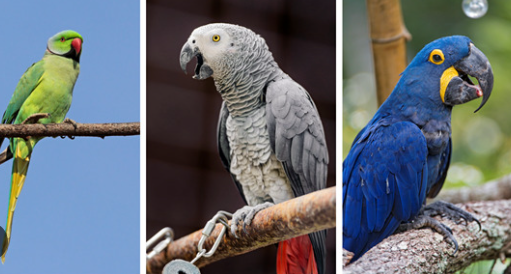
The illegal wildlife trade has devastating effects on rare bird populations around the world. Many species are poached for their beautiful feathers, unique calls, or as exotic pets. For example, the Spix’s Macaw, once native to Brazil, was hunted to near extinction due to illegal trapping for the pet trade. Conservation efforts are ongoing, but the demand for such rare birds continues to fuel illegal activities.
<pFurthermore, the illegal trade alters natural habitats and threatens entire ecosystems. When these birds are removed from their environments, it can lead to imbalances affecting other species that rely on them for pollination or pest control. Several countries have increasing numbers of rare bird species listed as endangered, all because of poaching and habitat destruction.
-
- Stay informed about local bird species that are at risk.
-
- Support conservation initiatives working to protect endangered birds.
-
- Report suspicious activity or illegal sales of birds.
-
- Engage with community groups focused on wildlife protection.
2. How Can You Help Combat Illegal Wildlife Trade?
Individuals can play a vital role in combating the illegal wildlife trade by making informed choices and raising awareness. One effective way is through education; understanding the issues surrounding rare birds and their ecological importance can motivate people to act. For instance, educating friends and family about the plight of species like the Kakapo, which is critically endangered, fosters a collective responsibility to protect these remarkable creatures.
<pAdditionally, supporting ethical zoos and sanctuaries plays a critical role in rehabilitation and education about wildlife trade issues. Many rescue centers not only take in illegally traded birds but also educate the public about the impacts of wildlife trafficking. Your financial support can help these organizations continue their crucial work in conservation and rehabilitation.
-
- Educate yourself about illegal wildlife trade and its impact.
-
- Promote ethical wildlife tourism; choose reputable organizations.
-
- Share information on social media to raise awareness.
-
- Volunteer or donate to wildlife rescue organizations.
3. The Role of Legislation and International Cooperation
Effective legislation is essential for curbing the illegal wildlife trade. Many countries have strict laws in place, such as the Convention on International Trade in Endangered Species of Wild Fauna and Flora (CITES), which regulates international trade in endangered species. However, enforcement can often be lax, and corruption may complicate efforts to nab illegal traders. Strengthening these laws and ensuring proper funding for wildlife protection initiatives can make a significant difference.
International cooperation is also vital. Countries must work together to create a unified front against the illegal trade. Collaborative efforts, like information-sharing networks among law enforcement agencies worldwide, can lead to successful busts and prosecutions. Moreover, partnerships between governments and NGOs can foster sustainable solutions that benefit both wildlife and local communities.
-
- Advocate for stronger wildlife protection laws in your region.
-
- Participate in campaigns led by international wildlife organizations.
-
- Support policymakers who prioritize biodiversity and conservation.
-
- Encourage your local community to engage in wildlife protection initiatives.
As consumers, individuals have the power to make choices that promote wildlife protection. By staying informed, choosing ethically, and advocating for stronger legislation, each of us can contribute to the fight against illegal wildlife trade. Together, we can help ensure a future where rare birds thrive and ecosystems remain balanced.