The desert is often perceived as a harsh and barren landscape, yet it is home to a remarkable variety of wildlife. Among the most fascinating inhabitants are the birds of prey, which play a vital role in maintaining the ecological balance of these arid environments. Their sharp silhouettes, powerful wings, and watchful presence have also inspired wildlife art, where a bird statue can symbolize strength, survival, and the quiet beauty of desert life.
Unique Adaptations of Desert Raptors
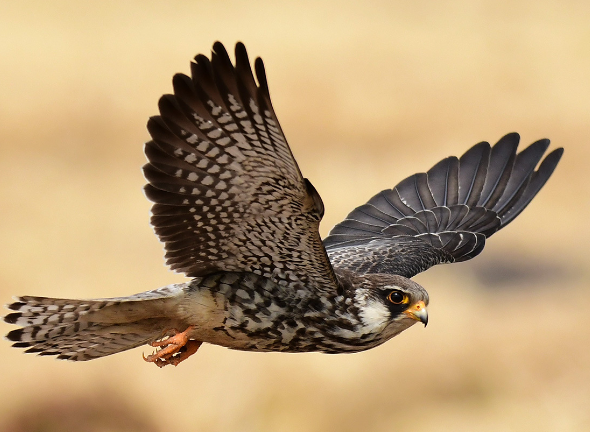
Birds of prey, or raptors, have developed a range of unique adaptations that allow them to thrive in desert environments. For example, the Desert Falcon, commonly found in regions like the Sahara, boasts exceptional eyesight that enables it to spot prey from great distances. This trait is crucial for hunting in open spaces, where cover is usually minimal. Moreover, raptors often have specialized feathers that reduce noise during flight, allowing them to approach prey stealthily.
Additionally, many desert raptors are adapted to cope with extreme temperatures. Species such as the Great Horned Owl are capable of maintaining their body temperature even in the sweltering heat of the day. These adaptations not only enhance their hunting skills but also help them conserve energy, a vital factor in an ecosystem where resources can be scarce. In desert parks, nature centers, or themed gardens, a bird statue modeled after a falcon, eagle, or owl can visually reflect these adaptations and help visitors appreciate the resilience of raptors.
- Observe local raptors and note their hunting behaviors.
- Research adaptations specific to different raptor species.
- Take part in wildlife watching tours to learn more.
- Document temperature variations in their habitats.
The Role of Birds of Prey in Ecological Balance
Raptors play a significant role in managing the populations of small mammals, reptiles, and other birds. For instance, the Desert Eagle Owl contributes by controlling the number of rodents, which, if left unchecked, can wreak havoc on vegetation and crops. This predatory behavior ensures that the food web remains intact and healthy. When these raptors hunt effectively, they contribute to a balanced ecosystem where various species can coexist harmoniously.
An imbalance in predator-prey relationships can lead to overpopulation of certain species, which may cause soil erosion and loss of vegetation, further degrading the desert environment. Therefore, preserving raptor populations is vital for maintaining ecological integrity. Engaging in conservation efforts can help safeguard these crucial players in desert habitats. A bird statue placed along an educational trail can serve as a simple but meaningful reminder that predators are not threats to nature’s balance; they are part of what keeps ecosystems healthy.
- Get involved with local conservation groups focused on raptors.
- Educate others about the importance of these birds in ecosystems.
- Support legislation aimed at protecting wildlife habitats.
- Plant native vegetation that supports the food chain.
Conservation Challenges for Desert Raptors
Despite their importance, birds of prey in desert ecosystems face numerous challenges, including habitat loss, climate change, and human interference. Urbanization can lead to destruction of nesting sites and food sources, while illegal hunting further threatens their populations. For example, the California Condor, which has struggled with these threats, has seen concerted efforts toward its recovery, highlighting the need for sustained conservation initiatives.
Moreover, climate change poses a significant risk, causing shifts in prey availability and nesting patterns. Changes in rainfall can lead to droughts or flooding, disrupting the delicate balance these birds rely on. To help combat these challenges, community involvement and awareness are essential. Grassroots movements can effect change and bring attention to the need for sustainable practices that benefit both wildlife and local ecosystems. In conservation spaces, a bird statue can help attract attention to these issues while honoring the presence of raptors in fragile desert landscapes.
- Participate in local wildlife surveys to monitor raptor populations.
- Advocate for sustainable land-use practices in your area.
- Report illegal hunting or poaching activities to authorities.
- Educate yourself and others about the threats facing raptors.
Birds of prey are not only magnificent creatures but also essential components of desert ecosystems. By understanding their adaptations, ecological roles, and challenges, individuals and communities can take proactive steps in conservation efforts. Whether you are an avid bird watcher or simply someone who enjoys nature, consider supporting initiatives aimed at protecting these incredible birds and their habitats. Through observation, education, habitat protection, and the symbolic presence of a bird statue in a meaningful space, we can better appreciate the strength and ecological importance of desert raptors.