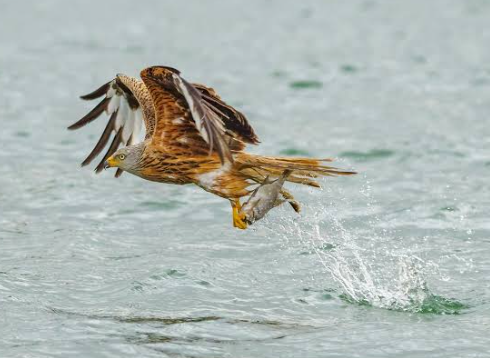
Kites, with their impressive aerial prowess, are fascinating creatures that engage in a remarkable behavior: hunting insects. These adept predators not only thrill observers with agile flight but also play a vital role in maintaining ecological balance.
1. The Appealing Flight of Kites
Kites exhibit a remarkable flying technique extensively used for hunting. With their long wings and tails, they can soar gracefully, allowing for excellent maneuverability and a broader view of the ground below. This gliding ability aids them in spotting potential prey, especially in open landscapes. When a kite spots a target, it can make quick and agile turns to dive down efficiently, demonstrating its exceptional flying skills.
Interestingly, kites often prefer to hunt in specific environments, which can influence their hunting success. Areas with abundant insect populations, such as wetlands or grasslands, provide ideal hunting grounds. These habitats not only offer food but also give kites ample opportunity to showcase their aerial acrobatics as they search for insects like dragonflies, grasshoppers, and beetles.
-
- Select hunting grounds with ample insects.
-
- Observe kites for signs of hunting behavior.
-
- Take note of their unique flight patterns.
-
- Consider environments like grasslands and wetlands.
2. Hunting Techniques of Kites
Kites employ various techniques for insect hunting, capitalizing on their keen eyesight and agile flight. One of the most distinctive tactics is their ability to catch insects mid-air. While soaring, they can spot a flying insect from considerable heights and swoop down with precision to snatch it. This skill requires excellent timing and spatial awareness, making it an impressive feat of nature.
Aside from aerial attacks, kites also utilize a technique known as hover-hunting. While hovering, they can scan the ground for insects scuttling about. This method is particularly effective for catching insects hiding in grass or foliage. The ability to hover allows kites to focus on a specific area, maximizing their hunting efficiency.
-
- Watch for the kite’s hovering behavior.
-
- Identify which insects are prevalent in your area.
-
- Record the kite’s hunting success rates.
-
- Learn about different kite species and their hunting preferences.
3. The Ecological Impact of Kites on Insect Populations
Kites play an essential role in controlling insect populations in their habitats. By preying on various insects, they help regulate these populations and prevent overgrowth. This in turn maintains a balanced ecosystem, as outbreaks of certain insects can lead to extensive damage to crops and natural vegetation.
Moreover, kites contribute to biodiversity. Their hunting habits allow them to influence the composition of insect populations, favoring healthier and more robust insect communities. This not only benefits other wildlife in the area but also promotes a healthier environment for plants and crops.
-
- Understand the role of kites in local ecology.
-
- Encourage biodiversity by planting native flora.
-
- Support conservation efforts that protect kite habitats.
-
- Participate in citizen science to track kite populations.
4. Observing Kites and Their Behavior
Watching kites can be a thrilling experience, whether you’re a bird enthusiast or simply curious about wildlife. To spot these magnificent birds, visit areas known for their kite populations, especially during warm months when they are more active. Use binoculars for a closer view and keep a journal to document your findings.
Moreover, learning about the different species of kites can enhance your observation experience. For example, the Black Kite and the Brahminy Kite have distinct colorations and behaviors. Familiarizing yourself with their characteristics can help in identifying them quickly while you’re out in the field.
-
- Carry binoculars for a better viewing experience.
-
- Research local kite species before your outing.
-
- Document your observations in a nature journal.
-
- Visit areas with known kite populations during peak seasons.
In conclusion, kites are more than just beautiful birds; they are skilled hunters that significantly contribute to the balance of our ecosystems. Observing their gliding and hunting behaviors can be a rewarding experience. Explore local wildlife and appreciate the intricate role these fascinating creatures play in nature.