Elephants are majestic and intelligent creatures that exhibit fascinating behaviors, one of which is mud bathing. This intriguing practice serves not only as a means of fun but also fulfills crucial survival functions for these gentle giants.
1. The Process of Mud Bathing
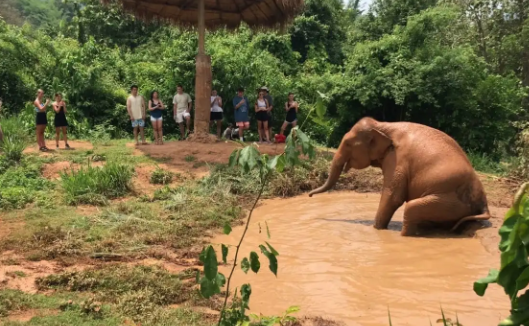
When elephants take a mud bath, they typically find a mud puddle or a shaded area with damp earth. Using their trunks, they spray mud all over their bodies, which helps create a protective layer that shields their skin from the sun and insects. The application of mud is often accompanied by playful behavior, where younger elephants engage in what appears to be joyful frolicking.
The mud itself is composed of fine particles that can act as a barrier against harsh environmental conditions. For instance, during hot weather, the mud can cool their skin, while its thick texture can minimize the risk of insect bites. Elephants display varying techniques; some may wallow directly in the mud, whereas others may throw it on themselves from a distance.
-
- Observe elephants in warm months to see mud bathing behaviors.
-
- Study how different elephants employ unique techniques while bathing.
-
- Consider the location and type of mud used in their bathing process.
-
- Take note of any social interactions that occur during mud bathing.
2. Health Benefits of Mud Bathing
The therapeutic qualities of mud bathing for elephants cannot be understated. The mud’s ingredients include minerals that are beneficial to the skin, helping to prevent conditions like sunburn and dermatitis. Additionally, the mud can act as a natural sunscreen, reducing the harmful effects of UV rays on their sensitive skin.
Moreover, the mud helps to lock in moisture on the skin, keeping it hydrated despite the heat. This hydrating effect is vital, especially in dry climates where elephants might easily suffer from dehydration. It’s one of the reasons elephants are often found near mud lakes or waterholes, ensuring they have easy access to this natural skincare regimen.
-
- Understand the skin conditions that elephants could experience without mud.
-
- Research the mineral composition of the mud that benefits elephants.
-
- Observe the health of elephants who frequently mud bathe versus those who don’t.
-
- Visit wildlife sanctuaries to see mud bath practices in action.
3. Social Dynamics and Mud Bathing
Mud bathing is not just an individual activity; it fosters social bonds within elephant herds. Adult elephants often engage in this behavior together, reinforcing their social ties and encouraging younger members to participate. Such activities are vital for the elephants’ psychological well-being, as they thrive in social structures and cooperation.
The playful nature exhibited during mud bathing can also serve as a teaching moment for younger elephants. Elders might show them how to interact with each other while bathing, which helps instill social norms. These lessons are crucial for survival, as bonding within the herd is essential for protection against predators and for cooperative nurturing of calves.
-
- Watch how elephants interact during mud bathing to learn about their social behaviors.
-
- Take part in discussions about elephant conservation and their social needs.
-
- Visit wildlife reserves where you can observe these behaviors in natural settings.
-
- Read up on the impact of social structures in elephant communities.
4. Conservation Implications of Mud Bathing
The mud bathing behavior of elephants highlights the importance of preserving their natural habitats. As humans encroach on these environments, both water sources and mud pits can become scarce. This not only endangers the elephants’ health but also their social structures, as fewer resources restrict their opportunities for bonding and play.
Conservationists emphasize the need to maintain wetlands and natural mud sources to ensure elephants can continue practicing this behavior. Moreover, engaging the local communities in conservation efforts can help raise awareness of the value of elephants in ecosystems, prompting actions to protect their habitats.
-
- Learn about local initiatives aimed at conserving elephant habitats.
-
- Get involved in community efforts to preserve natural water sources.
-
- Support wildlife reserves that focus on the protection of elephant populations.
-
- Engage in discussions about sustainable practices that benefit wildlife.
In conclusion, mud bathing plays a crucial role in the health, social dynamics, and overall survival of elephants. By understanding these behaviors, we can better appreciate the importance of conserving their natural habitats, ensuring these magnificent creatures continue to thrive. Consider supporting conservation initiatives or educating others about the vital roles elephants play in our ecosystems.