When we think of elephants, the image of these gentle giants wandering through lush savannahs or dense jungles often comes to mind. However, what many people may not realize is how adept these magnificent creatures are at swimming, especially in rivers and coastal waters.
Swimming is not just a recreational activity for elephants; it’s a vital skill that enables them to access food, travel between landmasses, and cope with challenging environments. Let’s delve into some fascinating aspects of elephant swimming abilities.
1. Elephants are Natural Swimmers
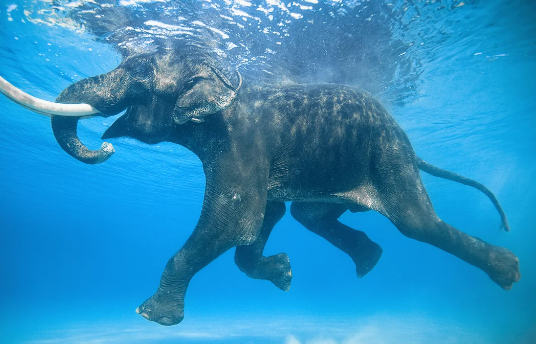
Elephants are built for swimming, possessing a unique body structure with large, buoyant bodies and powerful limbs that help them paddle through water with ease. When elephants swim, they use their legs in a manner similar to a dog paddling, propelling themselves forward in a smooth and graceful motion. This natural capability allows them to cover considerable distances when needed, often in search of food or safe passage to new areas.
For instance, elephants have been observed swimming across wide rivers like the Zambezi and Niger, showcasing their adaptability to aquatic environments. They can even dive underwater, using their trunks as snorkels to breathe while submerged for short periods. This combination of agility and strength makes them extraordinary swimmers in the animal kingdom.
-
- Observe elephants at reputable wildlife sanctuaries to see their natural swimming behavior.
-
- Research the specific habitats of elephants to understand their swimming routes.
-
- Learn about the physiological traits that enable elephants to swim effectively.
-
- Support conservation efforts that protect elephants’ habitats along rivers and coasts.
2. The Purpose of Swimming in Elephants
Swimming serves various essential functions in an elephant’s life, and those functions can differ depending on their habitat and season. One critical purpose is the ability to find water sources during dry seasons or droughts. Elephants can travel to rivers or lakes to quench their thirst and bathe, which is vital for their skin health as it helps remove parasites and cools them down.
Additionally, swimming aids in social bonding amongst herds. Elephants have been seen enjoying playful splashes in the water, which helps strengthen social ties and develops positive relationships within the group. This social interaction is crucial, especially for younger elephants, as they learn and grow in a nurturing environment.
-
- Take note of the ecological significance of water bodies in elephants’ migratory patterns.
-
- Understand the importance of preserving water sources for elephants’ survival.
-
- Engage in community efforts to protect critical waterways.
-
- Document playful behaviors of elephants swimming in their natural habitats.
3. Threats to Elephant Swimming Habits
Despite their natural swimming abilities, elephants face numerous threats that can hinder their access to rivers and coastal waters. Climate change poses significant challenges, leading to altered rainfall patterns, which in turn affect water availability. In areas where elephants face diminished habitats due to drought, they may struggle to find safe passages to reach essential water sources.
Human activities, such as dam construction and pollution, also threaten the natural waterways elephants rely on. These changes can disrupt migration routes and make it more difficult for elephants to find water, putting increasing pressure on their populations. Conservation strategies are vital to mitigate these threats and ensure elephants can swim freely in their habitats.
-
- Educate communities about the importance of conserving elephants and their aquatic habitats.
-
- Support organizations focused on preserving river ecosystems.
-
- Advocate for sustainable practices in local industries that may pollute water sources.
-
- Encourage the development of wildlife corridors that allow safe animal passage across areas affected by infrastructure.
4. Fun Facts About Elephants and Water
Elephants have some fascinating quirks when it comes to water. For one, they can hold their breath underwater for up to six minutes while swimming. This ability allows them to navigate tricky underwater terrain or evade predators when necessary. Moreover, elephants use their trunks not just for breathing but also as a giant scoop to drink water and spray it over their bodies while bathing, helping them stay cool in the heat.
Another interesting tidbit is that young elephants learn to swim through imitation, watching the older members of their herd. This learning phase is crucial as their survival often depends on their ability to skillfully navigate water-filled areas, particularly when searching for food. The playful nature of swimming also fosters a sense of community and family bonds among them, which is crucial for their social structure.
-
- Visit wildlife parks or reserves that showcase swimming elephants.
-
- Engage with local conservation programs to learn more about elephant behaviors.
-
- Share interesting facts about elephants on social media to raise awareness.
-
- Participate in educational workshops focused on wildlife conservation.
In conclusion, elephants are remarkable swimmers that rely on their aquatic abilities for survival, social interactions, and resilience against environmental challenges. By learning more about these incredible creatures, we can contribute to preserving their habitats and ensuring they continue to thrive. Whether you’re a wildlife enthusiast or simply curious, taking an active role in conservation can make a significant difference.