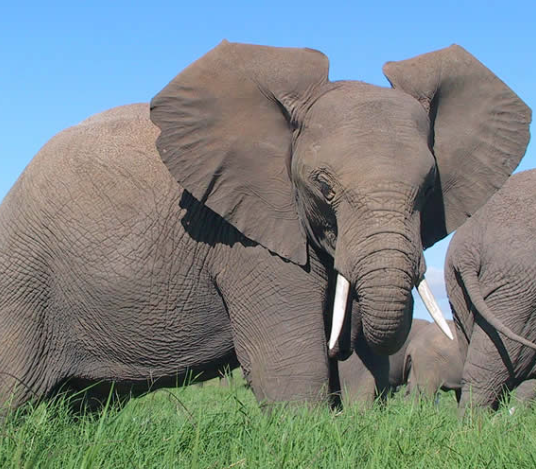
Elephants are not only the largest land mammals; they are also highly adapted to survive in some of the hottest climates on Earth. Thermoregulation is a crucial aspect of their survival, especially as they traverse landscapes with soaring temperatures. Understanding their unique strategies can help us appreciate these magnificent creatures even more.
1. The Role of Large Ears in Heat Dissipation
One of the most recognizable features of elephants is their large ears. These ears serve an essential purpose beyond hearing; they act as a natural cooling system. When an elephant flaps its ears, it increases the airflow over the blood vessels located close to the skin’s surface. This helps to release heat, thus lowering the body’s temperature.
During extremely hot days, elephants often spend time in shaded areas and utilize their ears more frequently. They can cool down their body temperature by about 10 degrees Fahrenheit simply by flapping them. This physiological adaptation is particularly crucial when they are active during sunrise and sunset when temperatures are relatively lower.
-
- Observe elephants flapping their ears in hot weather.
-
- Learn about how blood flow increases when ears are moved.
-
- Consider how changes in environment affect the use of ear flapping.
-
- Research the impact of ear size on cooling efficiency.
2. Water Use for Cooling
Water is an essential resource for elephants when temperatures soar. Elephants are known for their love of bathing and often splash water on themselves. This behavior not only hydrates them but also helps regulate their body temperature. Water evaporates from their skin, creating a cooling effect, much like sweating does for humans.
Additionally, elephants are skilled at finding water sources, whether it’s rivers, ponds, or even digging for groundwater. They will often visit these sources multiple times daily to stay hydrated and cool. Their immense size allows them to wallow in mud, which not only serves as a cooling agent but also provides a protective layer against sunburn and insects.
-
- Keep an eye on local water sources elephants frequent.
-
- Understand the importance of bathing in thermoregulation.
-
- Note the role of mud in skin protection and cooling.
-
- Record temperature changes when elephants bathe.
3. Behavioral Adaptations to Beat the Heat
Elephants exhibit various behavioral adaptations to combat excessive heat. One common strategy is to modify their daily activity patterns. They are crepuscular, meaning they are most active during the cooler hours of the day—early morning and late afternoon. This natural rhythm helps them avoid the hottest parts of the day when the sun is at its peak.
In addition to altering their activity schedule, elephants also engage in social behaviors that help them stay cool. For example, groups will often gather near waterholes, sharing the shade provided by each other and the environment. This social aspect is vital for their well-being and survival in hot climates.
-
- Track elephants’ daily patterns to see when they are most active.
-
- Study the importance of social behaviors in cooling.
-
- Consider how shade availability affects their movements.
-
- Learn about their adaptations to different times of the day.
By understanding these thermoregulation strategies, we gain deeper insights into how elephants live in harmony with their environments. Observing these magnificent creatures can be an enlightening experience, showcasing their adaptations to survive in extreme temperatures.
In conclusion, elephants employ various strategies to maintain their body temperature in hot climates, from utilizing their large ears and seeking water to adapting their behaviors. As we continue to study and appreciate these magnificent animals, let’s strive to protect their natural habitats and ensure their survival for generations to come.