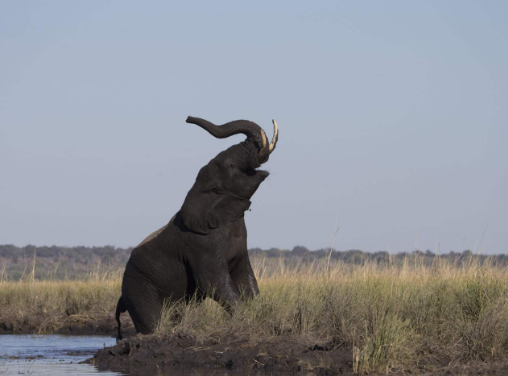
Elephants are magnificent creatures known for their intelligence, social structures, and remarkable physical attributes. One of their defining features, the tusks, serves a variety of important functions in their daily lives. In this blog post, we’ll explore how elephants use their tusks for feeding and defense, shedding light on their amazing adaptability.
1. Tusks as Tools for Feeding
Elephant tusks primarily serve as tools for foraging and feeding. These elongated incisor teeth can help them dig for roots, strip bark from trees, and pull down branches to access foliage that is otherwise out of reach. For instance, African elephants often use their tusks to excavate water from dry riverbeds in times of drought. This not only keeps them hydrated but also benefits other animals that can access the water they uncover.
In addition to digging, tusks are crucial for accessing nutrient-rich plant material. Asian elephants, for example, use their tusks to peel the tough bark off trees, exposing the softer, edible inner layer. This method of feeding allows them to enjoy a varied diet which is essential for their health and energy levels. Their tusks also enable them to manipulate their environment, ensuring they can find food even in challenging conditions.
-
- Observe how elephants use their tusks in your local zoo or wildlife footage.
-
- Learn about the diet of elephants to understand their nutritional needs.
-
- Consider ways to support local wildlife reserves focused on elephant conservation.
-
- Educate others about the ecological role elephants play in their environments.
2. Tusks as Weapons for Defense
In the wild, elephants face various threats, not just from natural predators but also from human encroachment. Their tusks serve a critical defensive role, allowing them to protect themselves and their young. When a threat approaches, such as a pack of lions or poachers, elephants can use their tusks to charge, thrust, or strike, showcasing their formidable size and strength.
Tusks can also be used in social interactions, particularly among male elephants during mating season. Males will often engage in sparring matches to establish dominance and attract females. These contests are not only physically intimidating but also serve as an important social mechanism, ensuring stronger genes are passed down. The display of tusks in such interactions highlights their significance beyond mere defense.
-
- Understand the impact of poaching and human activities on elephant populations.
-
- Support wildlife protection organizations that focus on elephant conservation.
-
- Share awareness about the importance of ethical tourism in areas where elephants are found.
-
- Educate your community about the necessity of protecting natural habitats.
3. The Evolution of Tusks
The evolution of elephant tusks reflects their multifaceted uses in nature. This adaptation has occurred over millions of years as elephants learned to navigate their environments and survive various challenges. Researchers have identified several species of elephants, some of which have evolved without tusks due to environmental pressures or specific habitats. For instance, many Asian female elephants lack visible tusks, while males usually have them.
This evolutionary change can often be attributed to the harsh realities of their existence. In areas where poaching is prevalent, elephants that are born without tusks have a better chance of survival, as they are less likely to be targeted by hunters. Understanding this evolutionary aspect highlights the importance of conservation efforts aimed at ensuring elephants can thrive in their natural habitats.
-
- Research different elephant species and their geographical distributions.
-
- Read about conservation strategies designed to protect elephants and their habitats.
-
- Engage in community efforts to reduce poaching and promote sustainable practices.
-
- Participate in wildlife conservation workshops or seminars to learn more about elephant welfare.
In conclusion, the usage of elephant tusks for both feeding and defense illustrates their significance in the everyday lives of these incredible animals. By understanding their roles, we can help advocate for the protection and preservation of elephants worldwide. Stay informed and consider supporting conservation efforts to ensure these magnificent creatures continue to roam our planet.