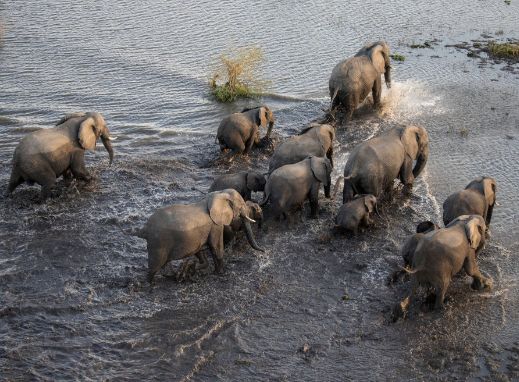
Elephants are more than just iconic creatures of the savannah; they play a crucial role in shaping their ecosystems. One of their most significant contributions is their ability to create and maintain water sources, benefitting not just themselves but a plethora of other species. In this blog post, we will explore how the movements and behaviors of elephants enhance water access for various animals.
1. The Role of Elephants in Waterhole Creation
When elephants traverse their habitats, they often dig for water during dry seasons. Using their massive tusks and trunks, they can create waterholes that serve as vital sources for many other animals. For example, in parts of Africa, an elephant might dig a small depression in the ground, striking an underground water source and allowing it to pool. Once discovered, this waterhole can sustain not just the elephants, but also birds, antelopes, and other mammals who rely on surface water.
Moreover, these waterholes often become communal sites for various species. Elephants actively protect these water sources from intrusion by other animals throughout the dry season. This protection encourages safe visitation from smaller creatures that may otherwise risk dehydration. In essence, elephants serve as gatekeepers to these crucial water resources, influencing patterns of wildlife movement and behavior.
-
- Observe elephant paths during dry seasons to find potential waterholes.
-
- Document the number of species visiting these waterholes for research.
-
- Consider how elephant movements can indicate larger ecosystem health.
-
- Engage in conservation efforts to protect these natural water resources.
2. The Impact on Biodiversity
The water resources created by elephants have a ripple effect on biodiversity. When elephants move through an ecosystem, they not only dig for water but also knock down trees and vegetation, which can open up spaces for different species to thrive. This helps to maintain a balance in the food web, creating a rich tapestry of life in the area. For instance, after an elephant clears a path, smaller herbivores find access to fresh grasses and plants, thus enriching their diet and increasing their population.
Additionally, waterholes generated by elephants serve as essential sites for reproduction among various species. Many birds gather at these watering sites to feed on insects and plants, while larger mammals like zebras and wildebeests congregate for hydration and social interactions. This increase in biodiversity fosters healthier ecosystems, showcasing the critical role elephants play in maintaining ecological balance.
-
- Monitor species diversity around known elephant-created waterholes.
-
- Encourage local communities to engage in habitat restoration efforts.
-
- Educate others about the importance of elephants in biodiversity conservation.
-
- Advocate for policies that protect elephants and their habitats.
3. Seasonal Water Sources and Animal Behavior
Elephants are known for their migratory patterns, following seasonal rains and dry periods. Their movements often lead to predictable water sources, which influence the behavior of other animals. For example, during the dry season, elephants tend to frequent the same spots, leading other animals to establish patterns based on elephant movements. This organized behavior helps animals plan when and where to find water, allowing them to coordinate their foraging and drinking habits efficiently.
Moreover, understanding these patterns can aid in conservation efforts. If wildlife managers can predict where elephant movements will create temporary water sources, they can create strategies to enhance access for smaller species. This might include enriching habitats around predicted water locations or minimizing human intervention during peak migration periods. Such efforts ensure the survival of various species reliant on refreshing water supplies.
-
- Keep track of elephant migration patterns to predict water source availability.
-
- Analyze animal behavior to see how they respond to these changes.
-
- Consult with wildlife experts to implement conservation strategies based on these insights.
-
- Participate in monitoring programs to document changes in animal populations around these waterholes.
In conclusion, elephants play a vital role in shaping the ecosystems around them, particularly through their influence on water access. Their movements create vital communal water sources that enhance biodiversity and affect behaviors in other animal species. By understanding and protecting these magnificent creatures, we can foster healthier ecosystems for future generations.