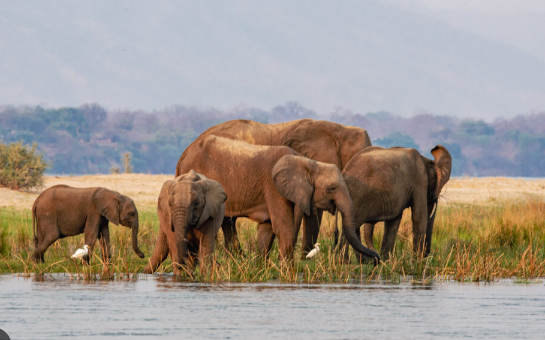
The majestic journey of elephants during migration is a sight to behold, especially when it involves crossing rivers. These gentle giants employ various strategies to navigate and cross water bodies safely. Understanding how elephants accomplish this feat can offer deeper insights into their natural behaviors and ecological needs.
1. Identifying Safe Crossing Points
Before embarking on a river crossing, elephants often survey the area to identify the safest and most accessible points. They tend to favor shallower sections of the river where the water level is manageable. Elder elephants play a key role in this process, using their experiences to guide younger herds through challenging terrains. Specific landmarks, such as rocks or vegetation, can also serve as cues to help them navigate during these crossings.
Additionally, elephants may utilize the behavior of other species to identify safe crossing spots. Animals that have lived in the area for years may already be familiar with certain routes. Watching for signs of these crossings can lead elephants to the best path for traversing the river efficiently.
-
- Observe the terrain for natural pathways.
-
- Take cues from local wildlife when scouting a river.
-
- Choose shallow areas for safer crossings.
-
- Consider seasonal changes that may affect water levels.
2. The Social Structure and Teamwork
Elephants are known for their strong social bonds, which play a crucial role during migration, especially when crossing rivers. The entire herd collaborates in navigating challenges, ensuring that weaker members, including calves and older elephants, have assistance. They form protective circles around vulnerable individuals, using their enormous bodies to shield them from potential threats both in and out of the water.
During river crossings, synchronized movement becomes vital. Elephants may trumpet or vocalize to coordinate their actions, ensuring everyone moves at the same time. This unity not only enhances safety but also reinforces their social connections, which are vital for their overall well-being.
-
- Encourage teamwork by maintaining proximity during crossings.
-
- Be vigilant about the weaker members of the herd.
-
- Use vocalizations to communicate effectively.
-
- Form protective circles around vulnerable elephants.
3. Overcoming Challenges in Water
Crossing rivers is not without its challenges. Elephants must contend with strong currents, slippery banks, and potential predators lurking in the waters. Their sheer size and strength allow them to navigate tough conditions, but they must still be cautious to avoid accidents. Elephants often take breaks on islands or sandbanks to regroup before continuing their journey, minimizing fatigue and stress during crossings.
Furthermore, an elephant’s trunk is a multifunctional tool during such times. It allows for precise movements while wading through water and helps them snatch vegetation along the banks when hunger strikes. Their trunks also serve to scoop up water for drinking, enabling them to stay hydrated, which is crucial during long migrations.
-
- Test the depth and current before entering the water.
-
- Take rest stops at safe spots to recover energy.
-
- Use your trunk for both foraging and drinking.
-
- Be alert for signs of predators in the water.
4. Navigating Human-Made Barriers
In today’s world, elephants often encounter human-made structures such as dams and weirs, which can disrupt their natural migration routes. They display remarkable adaptability by finding alternative pathways, sometimes traveling several kilometers off their original route. Conservation efforts are essential to ensure elephants can migrate safely and sustainably, as their movements are critical to ecosystem health.
Community engagement in wildlife corridors and migration routes is vital. Educating local populations about the importance of elephants can foster coexistence and reduce conflicts. Simple measures, such as building underpasses or creating designated paths, can facilitate easier crossings and significantly benefit elephant populations.
-
- Advocate for wildlife corridors to ensure safe migration.
-
- Educate local communities about elephant behavior.
-
- Collaborate on conservation projects for habitat protection.
-
- Implement solutions to reduce human-elephant conflicts.
In conclusion, the remarkable ability of elephants to cross rivers during migration serves as a testament to their intelligence and adaptability. By understanding their behaviors and challenges, we can help protect these magnificent creatures and ensure their continued survival in the wild. Consider supporting conservation efforts or learning more about these incredible animals to make a difference.