As human activities continue to reshape the natural world, some species adapt in remarkable ways to survive environmental pressures. Tuskless elephants are one such example, showcasing how evolution can respond to changes in habitat, poaching, and social dynamics.
1. Understanding the Rise of Tuskless Elephants
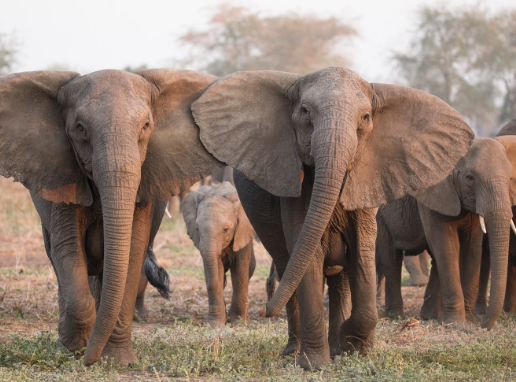
Tuskless elephants are primarily a result of intense poaching for ivory, which has led to a higher survival rate among individuals without tusks. This adaptation is particularly noticeable in African elephant populations, where tusked elephants are often targeted. By lacking tusks, these elephants have a better chance of evading poachers, thus allowing their genes to persist and thrive in a challenging environment.
Notably, in regions like Mozambique and Sri Lanka, the number of tuskless elephants has seen a significant increase. Researchers have observed that in some populations, up to 35% of females are now tuskless. This significant shift indicates the power of natural selection; tuskless individuals reproduce more successfully in environments plagued by poaching.
-
- Learn about poaching’s impact on wildlife populations.
-
- Understand the genetics behind tusklessness in elephants.
-
- Identify conservation efforts aimed at protecting tusked elephants.
-
- Engage in discussions on ethical wildlife practices.
2. Survival Strategies of Tuskless Elephants
While tusks are traditionally seen as essential for foraging and self-defense, tuskless elephants have developed alternate methods for survival. Many tuskless females have adapted their foraging behaviors, relying more on their trunks and feet to dig for tubers and break branches. This change shows flexibility and intelligence, as these elephants learn to utilize their environment in new ways.
Moreover, tuskless elephants tend to form stronger social bonds within their herds. This closely-knit community approach allows them to protect each other more effectively. In times of danger, these herds can coordinate their movements, employing collective strategies that rely on communication and teamwork instead of physical strength.
-
- Observe foraging behaviors of tuskless elephants in documentaries.
-
- Look for studies on social structures in elephant herds.
-
- Participate in conservation projects that support elephant populations.
-
- Discuss the importance of herd dynamics in elephant survival with others.
3. Conservation Efforts and Future Implications
Conservationists play a pivotal role in ensuring the survival of both tusked and tuskless elephants. Efforts include anti-poaching initiatives, habitat preservation, and education to reduce demand for ivory products. By fostering a more forgiving environment, these initiatives aim to balance the needs of elephants with human interests, highlighting the pressing need for coexistence.
Importantly, supporting conservation efforts can also include advocating for policy changes and engaging local communities in wildlife protection. By involving local populations, success is more likely, as communities develop a vested interest in protecting elephants as integral parts of their ecosystem and culture.
-
- Support organizations focused on elephant conservation.
-
- Advocate for policies that protect wildlife habitats.
-
- Educate others about the impact of poaching on elephant populations.
-
- Encourage local community involvement in conservation efforts.
Tuskless elephants illustrate the extraordinary capacity for adaptation in the face of adversity. As we learn more about these magnificent creatures, let’s take action toward wildlife conservation to ensure their survival and create a harmonious ecosystem for future generations. Seek out local conservation initiatives and consider how you can contribute to the ongoing efforts to protect elephants and their habitats.