Lysine for Cats: A Guide to Healthier Felines
As a proud cat owner, you always want the best for your furry companion. One supplement that has gained attention in the feline health community is lysine. This essential amino acid plays a vital role in your cat’s overall wellness, particularly in supporting their immune system and promoting healthy skin and coat. In this blog post, we will explore the benefits, sources, and dosage of lysine for cats.
Importance of Lysine for Cats
Lysine is an essential amino acid, meaning that cats cannot produce it on their own and must obtain it through their diet. It is crucial for various bodily functions, including the production of proteins and enzymes. One of the most recognized benefits of lysine in cats is its role in combating viral infections, especially feline herpesvirus (FHV). This virus can lead to respiratory issues, eye problems, and more. By supplementing with lysine, you may help boost your cat’s immune response and alleviate symptoms associated with these viral infections.
Sources of Lysine in a Cat’s Diet
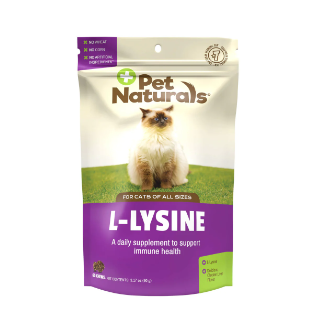
Finding the right sources of lysine in your cat’s diet is essential. High-quality commercial cat foods typically contain adequate amounts of lysine, especially those formulated for kittens or active adult cats. Meat sources such as chicken, turkey, and fish are excellent natural sources of lysine. If you’re concerned about your cat’s lysine intake or if your vet recommends supplementation, there are lysine powders and treats available. When considering treats, look for those specifically designed for felines to ensure they are both nutritious and palatable.
Administering Lysine: Dosage and Precautions
When it comes to lysine supplementation, dosage is key. The typical recommended dosage can vary based on your cat’s age, weight, and health condition, but a general guideline is about 500 mg per day for adults. It’s essential to consult with your veterinarian before starting any supplement, especially if your cat has existing health issues or is on medication. While lysine is generally safe, over-supplementation can lead to gastrointestinal upset. Monitoring your cat for any adverse reactions and adjusting the dosage accordingly is crucial for their health.
Conclusion
Incorporating lysine into your cat’s diet can offer substantial health benefits, especially if your feline friend is prone to viral infections. By ensuring they receive enough lysine through their food or supplements, you can help maintain their overall well-being. Always consult with your veterinarian for personalized advice and further information on lysine and other dietary needs. Your cat deserves the best, so take that next step toward their health today!