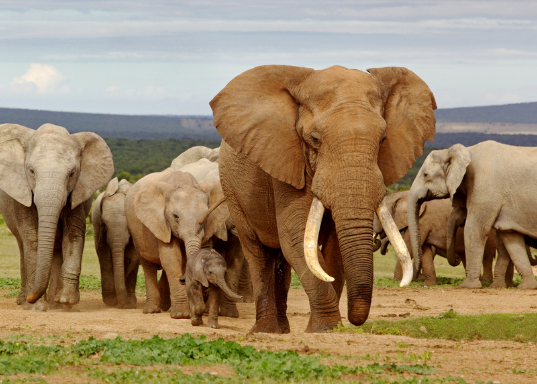
Elephants, the giants of the animal kingdom, play a crucial role in their ecosystems, earning them the esteemed title of “keystone species.” Their unique behaviors and traits significantly influence the plants and animals around them. Understanding this importance can help foster efforts to conserve these magnificent creatures and their habitats.
1. The Role of Elephants in Habitat Maintenance
One of the most compelling reasons elephants are considered keystone species is their ability to maintain their habitats. These large mammals are known for their foraging habits, which often involve uprooting trees and clearing dense vegetation. This behavior prevents overgrowth and encourages biodiversity, allowing various plant species to flourish. Elephants also create water holes while digging for roots, providing essential resources for countless other species, especially during dry seasons.
Moreover, by dispersing seeds through their dung, elephants contribute to forest regeneration. Many plant species rely on this method for their seeds’ germination and spread, ensuring the continued health of their environment. Consequently, ecosystems thrive, enriching life for many organisms dependent on a balanced habitat.
-
- Encourage awareness about elephant habitat roles.
-
- Support conservation programs focused on habitat preservation.
-
- Participate in local planting initiatives to enhance biodiversity.
-
- Educate others about the importance of seed dispersal.
2. Elephants and Ecosystem Diversity
Elephants are vital to promoting biodiversity within their ecosystems. As they roam, they create paths through dense jungles, making it easier for smaller animals and other species to navigate and thrive. These paths can transform into vital corridors that enhance connections between different ecosystems, allowing for greater genetic diversity among species that may otherwise become isolated.
Additionally, the presence of elephants has a cascading effect on the landscapes they inhabit. Their movement can create opportunities for grazing animals, which in turn influences plant growth patterns and the overall composition of the ecosystem. This interdependence highlights the intricate web of life within natural habitats and underscores elephants’ invaluable role as ecosystem engineers.
-
- Foster an appreciation for diversity in local ecosystems.
-
- Get involved in wildlife research or community-based conservation projects.
-
- Visit wildlife reserves to observe elephants and their impact firsthand.
-
- Share information about the importance of biodiversity with friends and family.
3. Threats to Elephants and Ecosystem Health
Despite their significance, elephants face numerous threats that jeopardize their populations and, consequently, the health of their ecosystems. Poaching for ivory and habitat loss due to human encroachment have drastically reduced elephant numbers. When these majestic animals are removed from their environments, the balance begins to unravel, leading to increased vegetation overgrowth, decreased biodiversity, and detrimental effects on other species reliant on elephants for survival.
Furthermore, climate change exacerbates these challenges by altering water availability and food sources, which can lead to increased human-elephant conflicts. As elephants struggle to find sufficient resources, they may venture into human-dominated landscapes, creating tension and prompting harmful measures against them. Addressing these threats is vital for the survival of both elephants and the diverse ecosystems they support.
-
- Advocate for anti-poaching laws and enforcement.
-
- Support conservation organizations actively working for elephant protection.
-
- Reduce your carbon footprint to help combat climate change.
-
- Spread awareness about the human-elephant conflict and potential solutions.
In conclusion, the role of elephants as keystone species is paramount in maintaining the balance of ecosystems. Their unique behaviors foster diversity and health in their habitats, and understanding this can inspire conservation efforts. Let’s take action to protect elephants and their environments for future generations.