1. Elephants and their Social Structures
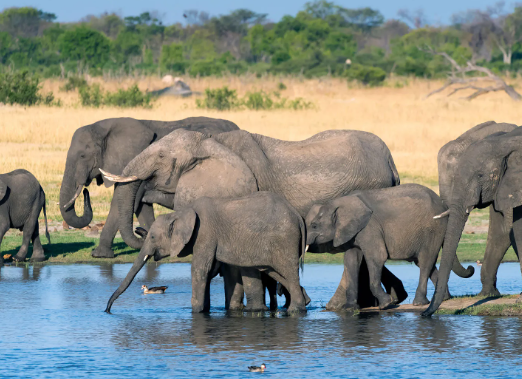
One of the most fascinating aspects of elephant memory is its role in social structures. Elephants often form close-knit family groups, usually led by a matriarch. This matriarch possesses a robust memory, recalling past experiences that aid in foraging, avoiding threats, and locating water sources during droughts. The ability to remember individual members and their characteristics enhances group cohesion and survival rates.
Beyond individual relationships, elephants also remember the locations of critical resources over long periods. For instance, when matriarchs lead herds to water holes, they factor in past droughts and the availability of resources based on previous experiences. These memories aren’t just personal; they can also be communal, passed down through generations, ensuring the survival of the entire herd.
-
- Observe elephant herds in their natural habitat to see social dynamics.
-
- Learn about the role of matriarchs and how they lead.
-
- Understand the importance of resource memory for survival.
-
- Research local conservation efforts aiming to protect these social structures.
2. Memory of Past Traumas and Experiences
Elephants have shown an ability to retain memories of past traumas, which can influence their future behavior. For example, elephants that have experienced poaching may develop a heightened awareness of human presence. These learned behaviors can last a lifetime and affect their interactions with humans, ultimately impacting conservation efforts. This ability to remember negative experiences is vital for their survival, allowing them to avoid potential dangers.
Additionally, elephants can recognize other elephants they have encountered previously, even after many years apart. This long-term memory is essential for establishing social bonds and identifying potential allies or threats. Such memories can influence behaviors, from aggression to alliances within and across herds. Studies show that when elephants recognize individuals, they often display emotional responses, like excitement or aggression, based on their previous interactions.
-
- Pay attention to elephant reactions to humans in their vicinity.
-
- Study case reports of elephants showcasing learned behavior based on past trauma.
-
- Understand how shared experiences shape relationships among elephants.
-
- Support wildlife organizations that educate about elephant safety and awareness.
3. Cognitive Skills and Problem-Solving Abilities
Elephants exhibit advanced cognitive skills that further demonstrate their remarkable memory. In experimental settings, elephants have shown the ability to solve complex puzzles that require recalling specific actions they completed in the past. For example, researchers have documented elephants using tools, such as sticks, to reach food, showcasing their ability to remember which tools are effective in which situations. This intelligence highlights their capacity to learn from previous encounters, adapting their strategies accordingly.
Furthermore, elephants are capable of cooperative problem-solving. Groups of elephants can work together to achieve a common goal, such as reaching a food source. This collaboration often relies on each member’s memory of previous successes and failures in similar situations. Such behaviors underscore the importance of long-term memory in both individual and group learning, enhancing their survival methods and social cohesion.
-
- Explore videos or documentaries showcasing elephants problem-solving.
-
- Investigate how elephants use tools in their natural habitat.
-
- Encourage local educational programs focused on elephant intelligence.
-
- Participate in workshops that focus on animal cognition and behavior.
4. Conservation Challenges and Memory Implications
The impressive memory of elephants has significant implications for conservation efforts. As their natural habitats shrink and human-elephant interactions increase, understanding their memory can offer strategies for minimizing human-wildlife conflict. For example, conservationists can implement measures to ensure elephants remember safe routes to food and water, even in the face of human encroachment. Crafting solutions that take their memory into account can substantially improve the quality of life for both elephants and local communities.
However, the loss of habitat and social structures due to poaching and urbanization poses a threat to their memory retention. When family groups are disrupted, it can affect the matriarch’s ability to pass on knowledge about resources, leading to higher mortality rates within herds. Sustained conservation efforts that focus on preserving natural habitats and supporting herd structures are crucial for ensuring future generations of elephants can thrive.
-
- Advocate for wildlife sanctuaries that protect emerging elephant families.
-
- Engage in local conservation initiatives focused on habitat restoration.
-
- Support policies aimed at reducing human-elephant conflict.
-
- Educate your community on the importance of preserving elephant memory.
Understanding the profound memory abilities of elephants highlights not only their intelligence but also the critical role it plays in their survival and social structures. By educating ourselves and participating in conservation efforts, we can ensure that these magnificent creatures continue to thrive in the wild. Start advocating for elephants today, and contribute to their protection for future generations.