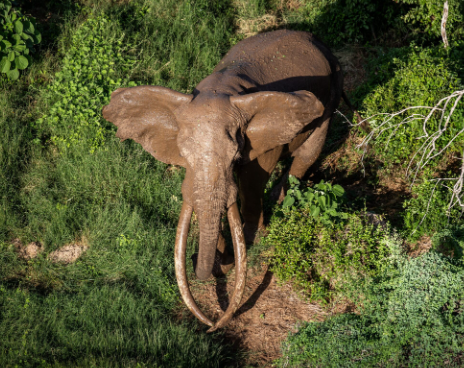
Elephants are known for their incredible memories, particularly when it comes to locating water sources. This remarkable ability plays a vital role in their survival and that of their herds. In this blog post, we’ll explore how elephants remember these life-sustaining resources across generations.
1. The Importance of Water for Elephants
Water is a critical resource for all living organisms, but for elephants, it is especially vital due to their large size and high water requirements. An adult elephant can drink up to 50 gallons of water in a single day. This extensive need means that locating reliable water sources is not apenas beneficial but crucial for their survival in the highly variable climates of Africa and Asia.
Additionally, water sources often become central to the social structure of elephant herds. Matriarchs, who typically lead family groups, are the ones that recall these locations based on their personal experiences and knowledge passed down through generations. They rely on memories that blend experience with social learning, setting the stage for continuity in water access for their young.
-
- Understand the seasonal variations in water availability.
-
- Identify reliable water spots in your local area.
-
- Monitor weather patterns to predict water sources.
-
- Facilitate community efforts to maintain local water supplies.
2. The Role of Social Learning in Memory Retention
Social learning is a significant factor in how elephants remember their water sources. Young elephants often follow their mothers and other adult elephants to water holes, learning both the locations and the best times to access these resources. This learning process begins at an early age, making the experiences very impactful as they grow. Elephants may even use sounds, social bonds, and movements to reinforce their memory of these spots.
Research has demonstrated that the stronger the social bonds among elephants, the more effectively they can share and retain information. Matriarchs, who often have the deepest memories due to their experiences, teach younger members of their groups. When these young elephants become leaders themselves, they will not only recall but also pass on the water source knowledge to the next generation.
-
- Create opportunities for young elephants to learn from adults.
-
- Encourage group activities that promote bonding.
-
- Document and share local water resource knowledge.
-
- Engage in community education about social learning behaviors.
3. Memory Triggers and Environmental Cues
Elephants utilize various environmental cues to remember where water sources are located. They pay attention to landmarks, odors, and even sounds associated with water. For example, they might recognize the scent of nearby vegetation that thrives near a waterhole or detect the changes in the terrain during dry seasons. These environmental markers serve as powerful reminders, regardless of how much time has passed.
Another intriguing aspect of elephants’ memory is their ability to recall these water sources over vast distances. They can navigate accurately even when traveling long distances, often relying on cognitive maps formed through their memory. These mental maps allow them to return to familiar watering spots, especially during times of drought or when other sources have dried up.
-
- Observe specific environmental markers that can signal water sources.
-
- Use natural landmarks as reference points.
-
- Maintain awareness of seasonal environmental changes.
-
- Encourage familiarity with local flora associated with water sources.
4. Long-Distance Memory and Migration Patterns
Migration is another aspect of how elephants remember water sources across generations. Many elephant herds migrate annually between wet and dry seasons, which requires them to return to specific water sources at certain times. These migrations are often guided by the matriarchs, who lead their groups back to previously established water points. The journey can span several days, but their memories of these critical locations ensure that they reach their destination successfully.
During these migrations, elephants not only rely on their own experiences but also share knowledge with their herd members. When young elephants accompany their elders, they learn about hydration needs and the importance of timing, which is crucial for survival. This knowledge is essential, especially as climate change affects traditional migration patterns and water availability.
-
- Track personal migration patterns to understand local behavior.
-
- Develop a calendar to monitor seasonal water availability.
-
- Encourage community involvement in local wildlife and habitat preservation.
-
- Understand how climate change impacts local migration patterns.
In conclusion, the impressive memory of elephants concerning water sources is a blend of experience, social learning, and environmental cues. By understanding these key elements, we can gain insights into how we might better support elephant populations and ensure their survival in their natural habitats. Whether fostering community awareness or documenting local conservation efforts, every effort counts in protecting these majestic creatures.