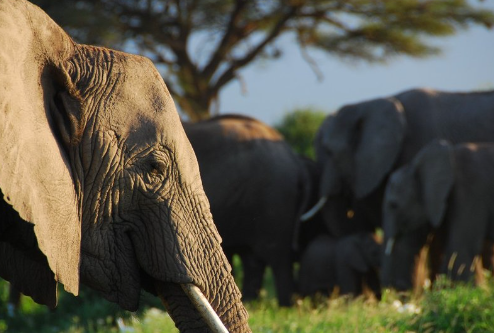
Elephants are known for their remarkable intelligence, strong social bonds, and emotional depth. Recent studies reveal that these magnificent creatures have the ability to recognize familiar human voices and sounds, showcasing their advanced cognitive abilities and social awareness. Much like an elepant statue can symbolize wisdom, memory, and strength, real elephants demonstrate these qualities through their ability to identify and respond to human voices. Understanding how elephants perceive and respond to human voices is crucial for conservation efforts and human-elephant interactions.
1. The Science Behind Voice Recognition
Recent research indicates that elephants possess a sophisticated auditory system, enabling them to differentiate between various sounds, including human voices. Studies have shown that elephants can remember the voices of humans they have encountered before, particularly those who have treated them with kindness or hostility. This ability likely stems from their social nature and the need to recognize both friends and foes in their environment.
In one fascinating study, researchers recorded the voices of local villagers and played these recordings to a group of wild elephants. The elephants exhibited notable changes in behavior depending on the tone and familiarity of the voice. For example, they displayed signs of stress and alertness when hearing voices from individuals who had previously posed a threat, illustrating the importance of voice recognition in their survival and social structure.
-
- Understand the basics of elephant communication and behavior.
-
- Learn about voice recognition studies involving elephants.
-
- Watch videos demonstrating elephant reactions to different voices.
-
- Explore how these findings can influence conservation strategies.
2. Real-World Implications of Voice Recognition
The ability of elephants to recognize familiar human voices has numerous implications for both wildlife conservation and human-elephant relationships. For example, if elephants can distinguish between humans who pose a threat and those who do not, they may be more likely to coexist peacefully with communities living near their habitats. This understanding can lead to less conflict and promote safer interactions between elephants and humans.
Moreover, this recognition can assist wildlife researchers and conservationists in their efforts to protect elephants. By knowing how elephants react to various human voices, experts can develop strategies that minimize stress and enhance the welfare of these animals during observation and research activities. For instance, conservation programs can train staff to use familiar voices when working with rescued elephants to create a calming environment.
-
- Engage with local communities about elephant behavior.
-
- Implement voice recognition findings in conservation strategies.
-
- Use familiar voices while working with captive elephants for better results.
-
- Promote education and awareness regarding human-elephant coexistence.
3. Enhancing Human-Elephant Relationships
The recognition of familiar human voices can significantly enhance the relationship between humans and elephants, particularly in areas where both coexist. Positive interactions can foster trust and reduce fear, allowing for better coexistence. When elephants are accustomed to the voices of caretakers, they are likely to respond more favorably, facilitating smoother management and care routines.
Empowering local communities with knowledge about elephant vocal recognition can improve coexistence strategies. For instance, training local farmers to understand elephant behavior can help them react appropriately in situations involving elephants. Additionally, creating programs that encourage positive interactions with elephants, such as wildlife tourism, can generate revenue for communities while fostering respect for these intelligent creatures.
-
- Host community workshops about elephant voice recognition.
-
- Encourage positive engagement with elephants in their natural habitat.
-
- Promote wildlife tourism to facilitate economic benefits.
-
- Provide ongoing education about elephant behavior and needs.
Recognizing elephants as intelligent beings capable of forming relationships with humans opens up new avenues for coexistence and conservation. Their ability to discern human voices is not just an impressive feat of nature—it’s a vital component in fostering harmonious interactions and ensuring their survival in a rapidly changing world.
In conclusion, understanding how elephants recognize familiar human voices can significantly contribute to effective conservation strategies and enhance human-elephant relationships. By embracing this knowledge, we can work towards cultivating a peaceful coexistence, ensuring a brighter future for these magnificent animals. Consider exploring local conservation efforts or engaging in educational programs to deepen your understanding and support for elephants.