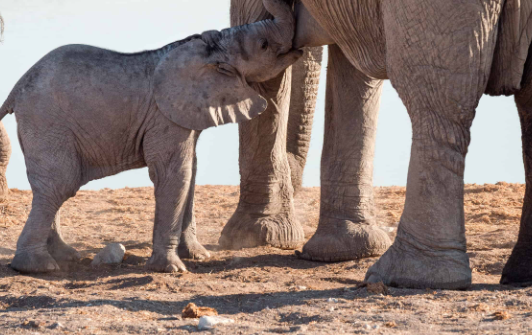
Elephants are known for their intelligence, strong social bonds, and remarkable capacity for empathy. Observations in the wild have revealed a touching aspect of their behavior: elephants actively assist injured or sick members of their herd, showcasing their commitment to family and community. In this blog post, we will explore the fascinating dynamics of care and support within elephant herds.
1. The Bonding Mechanism
Elephants possess a sophisticated social structure that facilitates bonding and nurturing behaviors. These large mammals live in tight-knit family units led by a matriarch. The matriarch’s deep understanding of each family member allows her to identify when one of them is in distress. When a herd member is wounded, other elephants often gather around, displaying concern and offering support, which strengthens their familial ties.
The welfare of a wounded family member is critical for the overall health of the herd. For instance, elephants have been observed lifting and supporting injured individuals, often using their trunks to guide them along or to provide physical support. This not only aids the immediate recovery process but also reinforces the emotional bonds that are vital for herd cohesion.
-
- Observe social interactions within herds to understand bonding mechanisms.
-
- Recognize the role of the matriarch in monitoring herd health.
-
- Consider how physical support enhances emotional well-being among elephants.
-
- Document instances of care in various animal species for comparative insights.
2. The Healing Process
When a herd member suffers an injury, elephants have been seen engaging in various behaviors to support the healing process. They may provide food and water to the injured individual, ensuring that it has the strength to recover. Additionally, they often create a protective circle around the wounded elephant, safeguarding it from potential threats.
Caring for a wounded member isn’t a simple process. Elephants communicate through low-frequency rumbles and body language, which allows them to coordinate their actions effectively. This careful organization helps ensure that the injured member receives adequate attention and care, enabling it to recuperate more efficiently in the supportive environment of its herd.
-
- Facilitate a safe space for recovery in wildlife settings.
-
- Provide nourishment to bolster strength during healing.
-
- Implement protective measures to shield the wounded from predators.
-
- Utilize body language and vocalizations for effective communication.
3. Emotional Support and Its Benefits
The emotional support provided during recovery is crucial for a wounded elephant. Studies have shown that elephants experience a range of emotions, including grief, joy, and empathy. This emotional intelligence enables them to relate to the suffering of their peers, which fosters a strong sense of community and resilience.
The presence of supportive family members not only helps the injured elephant to recover physically but also improves its mental state. Being surrounded by caring individuals reduces stress and promotes healing. Some researchers believe that these social interactions may lead to improved outcomes in terms of physical recovery, showcasing the importance of emotional well-being in healing processes.
-
- Recognize signs of emotional distress in injured wildlife.
-
- Encourage companionship among herd members for mental support.
-
- Implement interventions focusing on emotional health alongside physical care.
-
- Consider ecological only approaches that respect natural behaviors.
Elephants’ ability to support injured herd members showcases their remarkable social structures and emotional intelligence. Their commitment to care not only aids recovery but also deepens communal bonds. As we continue to study these magnificent creatures, we learn vital lessons about empathy and the importance of community in overcoming adversity.
If you’re intrigued by the caring behaviors of elephants, consider exploring further into conservation efforts that protect their natural habitats and social structures. Understanding and supporting wildlife can make a significant difference in the lives of these incredible animals.