Seabirds are magnificent creatures that grace our oceans, playing essential roles in marine ecosystems. However, they face significant threats from plastic pollution, which has reached alarming levels across our planet. Understanding the impacts of plastic on seabirds is crucial for their survival and the health of our oceans.
1. The Impact of Plastic Pollution on Seabirds
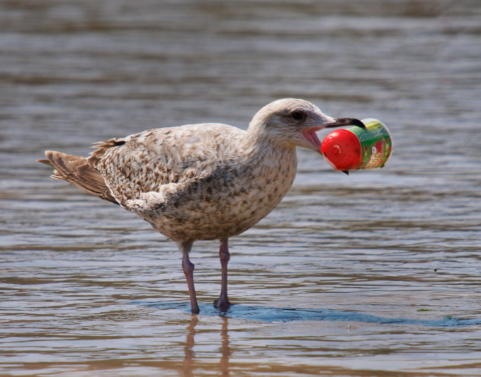
Plastic pollution in the oceans has dire consequences for seabirds. It is estimated that over 90% of seabird species have ingested plastic at some point in their lives. When seabirds consume plastic, they are not only filling their stomachs with indigestible materials but also risking their health through toxic chemicals found in plastics. These toxins can lead to malnutrition, reproductive issues, and even death.
Moreover, seabirds often mistake plastic debris for their natural food sources. Items such as plastic bags, bottle caps, and synthetic fibers look eerily similar to fish or squids, causing seabirds to ingest harmful materials. Once ingested, plastic can cause blockages in the digestive system and affect the overall health of birds. This growing issue highlights the urgent need to curb plastic waste entering marine environments.
-
- Educate yourself on common types of plastic found in oceans.
-
- Participate in local beach clean-up initiatives.
-
- Reduce your personal plastic consumption.
-
- Advocate for policies that limit single-use plastics.
2. How Seabirds Assimilate Plastic and Its Consequences
Seabirds are particularly vulnerable to plastic pollution during their breeding season. During this time, parents feed their chicks regurgitated food, which unfortunately may contain plastic particles. This can lead to serious health problems for the young birds, limiting their chances of survival as they grow. Studies have shown that chicks fed plastic-infused meals often exhibit stunted growth and developmental issues.
The long-term implications of plastic ingestion include not only individual health problems but also decline in seabird populations. Some species, such as the albatross, are especially affected; researchers have noted that many adults show signs of decreased reproductive success, threatening the species’ survival. As plastic continues to accumulate in our oceans, the fragility of seabird populations becomes even more apparent.
-
- Monitor local seabird populations and report concerns.
-
- Support conservation organizations focused on seabird welfare.
-
- Share educational resources with your community.
-
- Encourage responsible tourism in seabird habitats.
3. Community Efforts to Combat Plastic Pollution
Communities worldwide are realizing the importance of addressing plastic pollution to protect seabirds and marine life. Local initiatives can vary from beach clean-ups to campaigns that promote alternative materials to plastic. Collaborative efforts, like community awareness programs, can engage citizens in a dialogue around environmental responsibility and the vital role of seabirds in ecosystems.
Educational programs targeting schools and local groups can also raise awareness about the issues seabirds face due to plastic pollution. Engaging young people fosters a sense of stewardship and encourages proactive measures against waste. With everyone working together, the chances of reversing the impact of plastic pollution on seabirds significantly increase.
-
- Join or organize plastic reduction workshops in your area.
-
- Develop educational materials to share with schools.
-
- Form alliances with local businesses to reduce plastic use.
-
- Participate in citizen science projects focusing on seabird monitoring.
In conclusion, the crisis of plastic pollution is one that affects not only our oceans but also the incredible seabird species that inhabit them. By understanding the problem and taking collective action, we can help protect these remarkable birds and create a healthier ocean environment. Let’s all make conscious choices in our daily lives to support the well-being of seabirds and marine ecosystems.